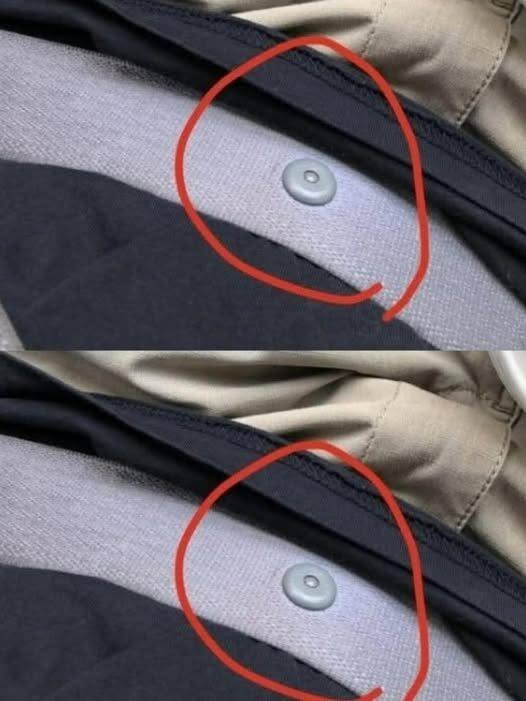
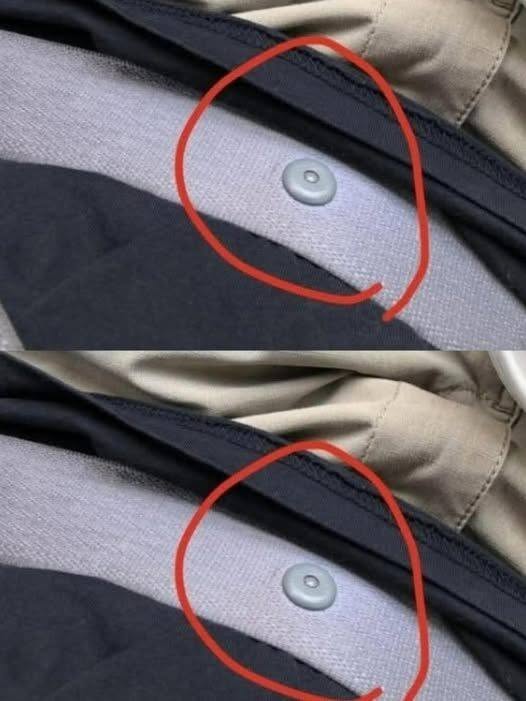
Have you ever looked closely at your car’s seat belt and noticed a tiny round plastic button attached to the fabric?
It’s easy to overlook. Most drivers have seen it hundreds of times without giving it a second thought.
Some people assume it’s decorative. Others believe it’s a sensor, a manufacturing mark, or even part of the mechanism that locks the seat belt during an accident.
But that little button has a surprisingly clever purpose.
It’s called a seat belt stop button, and its job is to keep the metal latch plate from sliding too far down the belt when you’re not wearing it.
It may seem insignificant, but without it, fastening your seat belt could become much more frustrating.
Let’s explore why manufacturers include this tiny feature, how it works, what happens when it breaks, and the important seat belt safety facts every driver should know.
What Exactly Is the Small Button on a Seat Belt?
The small round piece attached to the seat belt fabric is commonly called a seat belt stop button, buckle stop, or retainer button.
It is usually made from durable plastic and consists of a small protruding piece secured to the seat belt webbing.
Depending on the vehicle, it may be gray, black, beige, or another color that matches the interior.
Its shape is simple, often resembling a small rivet or snap fastener.
Although it looks like a decorative button, it performs a specific mechanical function.
It prevents the sliding metal part of the seat belt from moving beyond a designated point.
That metal part is called the latch plate or seat belt tongue.
It’s the piece you insert into the buckle until you hear a click.
The Real Reason Your Seat Belt Has That Button
Imagine getting into your car and reaching for your seat belt.
Normally, the metal latch plate is hanging somewhere near your hip or shoulder, within easy reach.
You grab it, pull the belt across your body, and click it into place.
The entire process takes only a few seconds.
Now imagine that the little plastic button wasn’t there.
When you released your seat belt after your previous trip, the metal latch plate could have slid all the way down toward the floor.
Instead of being conveniently positioned, it might be sitting beside the seat, near the lower anchor, or wedged between the seat and the door.
Every time you entered the vehicle, you would need to reach down and retrieve it.
That’s exactly the inconvenience the stop button is designed to prevent.
The button acts as a physical barrier that keeps the latch plate at a convenient resting height.
It doesn’t require electricity, batteries, or any complicated mechanism.
It’s simply a smart piece of everyday engineering.
How Does the Seat Belt Stop Button Work?
To understand the button’s purpose, it helps to know how a standard three-point seat belt works.
Most passenger vehicles use a seat belt with a continuous length of strong woven webbing.
The belt runs from an upper mounting point, across the occupant’s chest, through a sliding metal latch plate, and toward a lower anchor.
When you fasten the belt, the latch plate clicks into the buckle beside your seat.
When you release it, the retractor pulls the webbing back toward its stored position.
However, the latch plate is designed to slide along part of the webbing.
Without a stopping point, gravity could cause it to slide downward.
The plastic button prevents that movement.
Step 1: You Unbuckle Your Seat Belt
After parking, you press the release button on the buckle.
The latch plate separates from the buckle, and the belt begins retracting.
Step 2: The Belt Returns to Its Resting Position
The retractor pulls the loose webbing back toward the vehicle’s pillar or another storage location.
Step 3: The Metal Latch Plate Slides Downward
Because the latch plate is not permanently attached to one position, it can move along the strap.
Step 4: The Plastic Button Stops It
The latch plate reaches the button and cannot slide farther in that direction.
Step 5: The Latch Plate Stays Within Reach
The next time you get into your vehicle, the metal piece is conveniently positioned for fastening.
It’s a simple solution to a problem most people never realize exists.
Why Didn’t Manufacturers Just Fix the Metal Latch Plate in Place?
This is an interesting question.
If the goal is to keep the metal latch plate from falling, why not permanently attach it to the seat belt?
The answer involves comfort, fit, and flexibility.
Seat belts must accommodate people of different heights and body sizes.
They also need to adjust as occupants move or change their seating position.
Allowing the latch plate to slide helps the belt fit properly across the body.
A permanently fixed latch plate could make the restraint uncomfortable or interfere with its intended positioning.
The small stop button provides a useful compromise.
It allows the latch plate to move when necessary while preventing it from falling too far when the belt isn’t being used.
Does Every Car Have This Little Button?
Not necessarily.
Many vehicles use plastic stop buttons, but seat belt designs vary.
Some manufacturers use slightly different shapes or positions.
Other designs may include stitched stops, alternative retainers, or different latch plate arrangements.
The exact setup can depend on:
- Vehicle manufacturer
- Model and production year
- Front or rear seating position
- Seat belt configuration
- Interior design
- Restraint system engineering
Some belts have more than one positioning feature.
For example, one stop may limit downward movement, while another feature may restrict how far the latch plate travels in the opposite direction.
The purpose is generally the same: keeping the latch plate in a practical position when the belt is not being worn.
What Happens If the Button Breaks or Falls Off?
Over time, a seat belt stop button may crack, loosen, or detach.
Because it is relatively small, you might not notice immediately.
The first sign is often a change in where the metal latch plate rests.
Instead of remaining at its usual height, the latch plate may slide toward the lower end of the belt.
You might find yourself repeatedly searching for it beside the seat.
Common Signs of a Missing Stop Button
- The metal latch plate hangs unusually low.
- You have to reach toward the floor to grab the belt.
- The latch plate becomes trapped between the seat and the door.
- The seat belt is more awkward to fasten.
- You notice a missing or damaged plastic piece on the webbing.
The missing button itself does not normally disable the main seat belt locking mechanism.
However, that doesn’t mean every damaged seat belt is safe.
If the webbing is torn, the buckle fails to latch, or the belt does not retract properly, the restraint system needs professional inspection.
Can You Still Drive If the Stop Button Is Missing?
A missing stop button does not automatically mean the seat belt has lost its ability to restrain an occupant.
The button’s main function is to position the latch plate for convenient access.
The primary restraint functions are handled by other components.
However, it’s important to distinguish a missing convenience component from damage to the seat belt assembly.
If the button has fallen off but the rest of the belt appears intact and operates normally, the immediate effect may be limited to inconvenience.
Nevertheless, the belt should be inspected and the correct replacement procedure followed.
Never assume that a damaged or modified seat belt is safe simply because it still clicks into the buckle.
Can You Replace the Seat Belt Stop Button Yourself?
Replacement stop buttons are available for certain vehicles.
However, seat belts are safety-critical components, and repairs should follow the vehicle manufacturer’s instructions.
Some replacement methods may involve securing components through the webbing.
Improper installation could damage the belt fibers or affect the restraint assembly.
For that reason, the safest approach is to consult the vehicle manufacturer’s service guidance, an authorized dealership, or a qualified automotive technician.
Avoid These Homemade Fixes
Do not improvise a replacement using:
- Staples
- Screws
- Sharp metal fasteners
- Glue
- Zip ties
- Random clips
- Unapproved modifications to the webbing
Even a small alteration can be problematic if it damages the fabric or interferes with belt movement.
Using the correct part and approved installation procedure is the better choice.
Is the Small Button Responsible for Locking the Seat Belt During an Accident?
No.
This is one of the most common misconceptions.
The stop button does not activate the seat belt’s emergency locking mechanism.
That function is handled by other components, particularly the retractor and, depending on the vehicle, additional restraint technology.
The Seat Belt Retractor
The retractor manages the movement of the webbing.
In many vehicles, it allows normal movement but locks during certain rapid belt movements or vehicle deceleration.
The Buckle and Latch Plate
These components secure the belt around the occupant.
The latch plate must engage properly with the buckle.
The Pretensioner
Many modern vehicles have seat belt pretensioners.
During certain crashes, these devices rapidly remove slack from the belt to help position the occupant.
The Load Limiter
Some restraint systems include load limiters that help manage forces on the occupant during a collision.
The little plastic stop button is separate from these safety mechanisms.
Its main purpose is convenience and positioning.
Is It a Seat Belt Warning Sensor?
No.
The small button on the belt webbing is not an electronic sensor.
It does not detect whether the seat belt is fastened.
It also does not directly control the warning light or the familiar seat belt reminder chime.
Seat belt reminder systems typically rely on components such as buckle switches, seat occupancy detection, and vehicle electronics.
If your seat belt warning light stays on even when you’re buckled, the problem is unlikely to be caused by the plastic stop button.
A qualified technician can diagnose the actual fault.
Why Such a Small Detail Makes a Big Difference
Automotive engineering involves thousands of decisions that most drivers never notice.
Some of these decisions concern major systems such as brakes, engines, airbags, and steering.
Others involve small components designed to make everyday tasks easier.
The seat belt stop button belongs to the second category.
Its contribution is modest but practical.
By keeping the latch plate in a predictable position, it reduces unnecessary searching and awkward reaching.
It also makes the seat belt easier to use consistently.
A feature doesn’t need to be complicated to be useful.
Sometimes, the simplest solutions are the most effective.
Other Seat Belt Features You May Not Know About
The stop button isn’t the only overlooked feature of a seat belt.
Several other details are worth understanding.
1. The Height Adjustment Mechanism
Some vehicles allow the upper shoulder belt anchor to move up or down.
This helps accommodate occupants of different heights.
The shoulder belt should generally cross the center of the chest and shoulder rather than the neck or face.
2. The Retractor Locking System
The retractor allows comfortable movement during ordinary driving.
In certain conditions, it locks the webbing to limit forward movement.
3. The Seat Belt Pretensioner
In many modern vehicles, pretensioners help remove belt slack during certain crashes.
They are part of the broader occupant protection system.
4. The Seat Belt Reminder
Warning lights and sounds encourage occupants to fasten their seat belts.
Depending on the vehicle, reminders may operate for front or rear seating positions.
5. The Belt Webbing
The woven material is engineered to withstand substantial forces while helping restrain the occupant.
Damage to this material should never be ignored.
6. The Buckle Release Mechanism
The release button allows the occupant to unfasten the belt.
It must operate correctly and should not stick or release unexpectedly.
7. Child Restraint Locking Features
Some vehicles have seat belt locking arrangements designed to help secure compatible child safety seats.
The exact installation method depends on the vehicle and child restraint instructions.
How to Wear Your Seat Belt Correctly
Understanding small seat belt components is interesting, but wearing the belt properly is far more important.
A seat belt should fit snugly without being twisted.
The shoulder section should cross the chest and shoulder.
The lap section should sit low across the hips and pelvis, not high over the abdomen.
Important Seat Belt Safety Tips
- Always buckle up before driving.
- Make sure the latch plate clicks securely into the buckle.
- Keep the shoulder belt across your chest.
- Position the lap belt low across your hips.
- Never place the shoulder belt behind your back.
- Never tuck the shoulder belt under your arm.
- Check that the webbing is not twisted.
- Avoid using unapproved accessories that create slack.
- Make sure children use age- and size-appropriate restraints.
- Inspect the belt if it becomes damaged or stops operating normally.
A correctly worn seat belt can significantly reduce the risk of serious injury in a crash.
How to Check Your Seat Belt for Problems
You don’t need to be a mechanic to notice certain visible warning signs.
When the vehicle is safely parked, inspect the seat belt for obvious damage.
Look for frayed edges, cuts, unusual wear, or damaged stitching.
Check that the latch plate engages securely with the buckle.
Make sure the belt retracts normally and does not remain excessively loose.
Also check whether the buckle release button operates properly.
If you notice anything unusual, have the system inspected by a qualified professional.
Do not dismantle the retractor or pretensioner assembly yourself.
Some seat belt systems contain components that require specialized handling.
Frequently Asked Questions
What is the little round button on a seat belt called?
It is commonly called a seat belt stop button, buckle stop, or retainer button.
What does the button actually do?
It prevents the metal latch plate from sliding too far down the belt when the seat belt is not being worn.
Is the seat belt button a sensor?
No. It is a mechanical positioning component, not an electronic sensor.
Does the button make the seat belt lock in an accident?
No. The retractor and other restraint components perform the locking and restraint functions.
Why is the button usually made of plastic?
Plastic is lightweight and suitable for the button’s simple positioning function.
Can the button fall off?
Yes. It may become damaged or detach over time.
Is a missing button dangerous?
The missing button generally affects latch plate positioning rather than the main restraint mechanism. However, the belt should be inspected and repaired according to approved guidance.
Can I replace it with a regular clothing button?
No. Household buttons and improvised fasteners are not appropriate substitutes for vehicle restraint components.
Do all cars have the same type of button?
No. Designs vary between manufacturers and seating positions.
Why does my seat belt buckle slide down?
A missing or damaged stop button is one possible reason. Different belt designs may also position the latch plate differently.
Can I use glue to attach a new button?
Avoid improvised repairs. Follow manufacturer-approved service instructions.
Does the button prevent the belt from retracting?
No. It limits movement of the latch plate along the webbing, not the retractor’s operation.
Final Thoughts: A Tiny Button With a Surprisingly Useful Purpose
The next time you get into your car, take a quick look at your seat belt.
You may notice a small round plastic button that you’ve seen countless times without ever wondering why it’s there.
Now you know the answer.
That little button keeps the metal latch plate from sliding too far down, ensuring it’s easy to reach whenever you’re ready to buckle up.
It isn’t a secret crash sensor or a hidden emergency device.
It’s simply a clever design feature that makes everyday driving more convenient.
And while the button itself may be small, it reminds us that automotive design is filled with thoughtful details that often go unnoticed.
Most importantly, always wear your seat belt correctly and make sure the entire restraint system is in good condition.
Did you already know what that little button was for, or did you just learn something new today?