Clogged arteries can develop silently for years, sometimes without causing any noticeable symptoms until a serious cardiovascular problem occurs. But there are certain warning signs that may suggest your heart, brain, or legs aren’t receiving enough blood.
Heart disease remains one of the leading causes of death worldwide, and atherosclerosis—the buildup of fatty plaque inside arteries—is an important contributor.
The frightening part is that many people don’t realize they have narrowed arteries until they experience chest pain, a heart attack, a stroke, or circulation problems.
However, not every symptom means your arteries are blocked, and some people with significant arterial disease have no symptoms at all.
Understanding the possible warning signs can help you recognize when medical evaluation is necessary.
Here are 10 symptoms that may be associated with narrowed or blocked arteries, what they mean, and when to seek medical attention.
What Are Clogged Arteries?
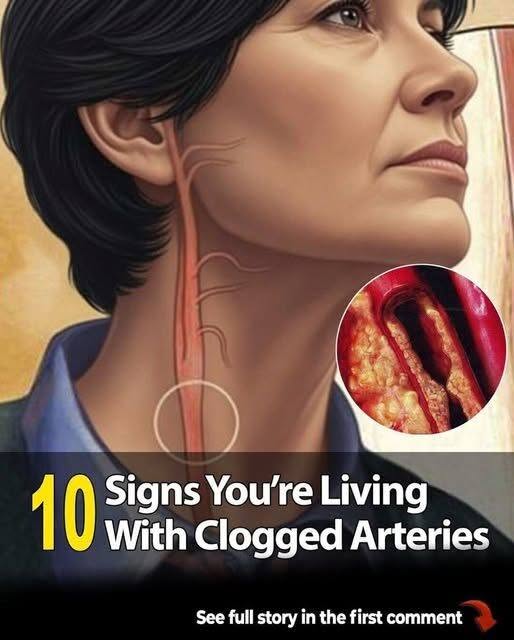
Clogged arteries usually refer to a condition called atherosclerosis.
This occurs when plaque gradually accumulates within artery walls.
Plaque contains a mixture of cholesterol, fats, inflammatory cells, calcium, and other substances.
Over time, plaque can narrow the space through which blood flows.
This may reduce the delivery of oxygen-rich blood to important organs and tissues.
A plaque can also rupture, triggering a blood clot that suddenly blocks an artery.
Depending on where the blockage occurs, this can cause a heart attack, stroke, or acute limb ischemia.
Which Arteries Can Be Affected?
Atherosclerosis can develop in several parts of the body:
- Coronary arteries: Supply blood to the heart muscle.
- Carotid arteries: Help supply blood to the brain.
- Peripheral arteries: Supply blood to the legs and other extremities.
- Renal arteries: Supply blood to the kidneys.
- Other major arteries: Carry blood to different organs and tissues.
Symptoms depend on which arteries are affected and how severely blood flow is reduced.
1. Chest Pressure or Discomfort
One of the best-known symptoms of coronary artery disease is chest discomfort.
When narrowed coronary arteries cannot deliver enough oxygen-rich blood to the heart muscle, a person may experience angina.
Angina doesn’t always feel like sharp pain.
It may feel like:
- Pressure
- Tightness
- Heaviness
- Squeezing
- Burning
- An uncomfortable fullness in the chest
Some people describe the sensation as though something heavy is pressing against their chest.
When Does It Usually Happen?
Stable angina may occur during physical activity, emotional stress, or exposure to cold temperatures.
Symptoms often improve with rest or prescribed medication.
However, new, worsening, or prolonged chest discomfort may signal a medical emergency.
Seek emergency medical care for unexplained chest pressure, especially when accompanied by shortness of breath, sweating, nausea, faintness, or discomfort spreading to the arm, jaw, back, or shoulder.
Do not attempt to diagnose a heart attack at home.
2. Shortness of Breath During Everyday Activities
Feeling unusually breathless while walking, climbing stairs, or performing activities that previously felt easy can sometimes be associated with heart disease.
If the heart muscle isn’t receiving adequate blood flow, its ability to function may be affected.
Certain cardiovascular conditions can also lead to fluid accumulation in the lungs, making breathing more difficult.
However, shortness of breath has many possible causes, including:
- Asthma
- Anemia
- Lung disease
- Heart failure
- Infections
- Reduced physical fitness
- Anxiety
- Other medical conditions
When Should You Be Concerned?
New or progressively worsening breathlessness deserves medical evaluation.
Sudden severe shortness of breath, particularly with chest discomfort, fainting, or bluish lips, requires emergency care.
3. Leg Pain When Walking That Improves With Rest
A particularly important warning sign of peripheral artery disease is a symptom called intermittent claudication.
This occurs when narrowed arteries cannot supply enough blood to the leg muscles during exercise.
A person may notice cramping, aching, heaviness, or fatigue in the calves, thighs, or buttocks while walking.
The discomfort typically improves after stopping to rest.
What Makes This Symptom Distinctive?
Imagine walking a few blocks and developing a cramp in your calf.
You stop for several minutes, and the discomfort fades.
When you begin walking again, the pain returns after a similar distance.
This pattern may suggest peripheral artery disease.
However, leg pain can also result from spinal problems, joint conditions, nerve compression, or muscle injuries.
A healthcare professional can help determine the cause.
4. Cold Feet or One Foot Colder Than the Other
Reduced circulation to the legs and feet can sometimes cause noticeable temperature differences.
A person with peripheral artery disease may experience:
- One foot feeling colder than the other
- Reduced hair growth on the legs
- Shiny or unusually smooth skin
- Weak pulses in the feet
- Changes in skin color
- Slow-healing wounds
These signs are more meaningful when they occur together or are accompanied by walking-related leg pain.
Important Warning
A suddenly cold, pale, painful, or numb foot may indicate acute limb ischemia.
This is a medical emergency because the limb may be deprived of adequate blood flow.
Seek immediate emergency care rather than waiting for the symptoms to improve.
5. Unusual Fatigue or Reduced Exercise Tolerance
Feeling tired occasionally is normal.
But a noticeable decline in your ability to perform familiar activities may deserve attention.
Some people with cardiovascular disease experience reduced exercise tolerance or unusual fatigue.
For example, someone who previously climbed stairs comfortably may begin needing frequent breaks.
However, fatigue alone is not a reliable sign of blocked arteries.
Many other conditions can cause it, including:
- Iron-deficiency anemia
- Thyroid disorders
- Poor sleep
- Depression
- Infections
- Medication effects
- Diabetes
What Should You Watch For?
Pay attention to fatigue that is new, persistent, unexplained, or accompanied by breathlessness, chest discomfort, or dizziness.
A medical evaluation can help identify the underlying cause.
6. Pain or Discomfort in the Jaw, Neck, Back, or Arms
Heart-related discomfort does not always remain in the chest.
Some people experience pain or pressure in other areas, including the jaw, neck, shoulders, back, or arms.
These symptoms can occur with or without obvious chest pain.
They may be particularly important when they appear during exertion or alongside nausea, sweating, or shortness of breath.
Why Can Heart Problems Cause Pain Elsewhere?
The nervous system can interpret pain signals from internal organs as discomfort in other body regions.
This phenomenon is called referred pain.
However, jaw and neck pain are much more commonly caused by other problems, including muscle strain, dental conditions, and joint disorders.
The overall symptom pattern matters.
Sudden unexplained jaw, arm, or back discomfort accompanied by other possible heart attack symptoms requires urgent emergency assessment.
7. Dizziness or Fainting
Dizziness can occur for many reasons, such as dehydration, low blood pressure, inner-ear disorders, anemia, or medication effects.
Certain cardiovascular conditions can also cause lightheadedness or fainting.
These include abnormal heart rhythms, heart valve disease, and other conditions affecting blood circulation.
However, dizziness by itself is not a specific indicator of clogged carotid arteries.
What About Blocked Arteries in the Neck?
Carotid artery disease often causes no symptoms before a transient ischemic attack or stroke.
It should not be assumed that ordinary dizziness means a carotid artery is blocked.
Stroke Warning Signs
Seek emergency care immediately if someone develops:
- Sudden facial drooping
- Sudden weakness or numbness on one side
- Difficulty speaking or understanding speech
- Sudden vision loss
- Sudden severe imbalance or difficulty walking
Even if these symptoms disappear after a few minutes, they may represent a transient ischemic attack and require urgent evaluation.
8. Erectile Dysfunction
Erectile dysfunction can sometimes be an early marker of vascular disease.
An erection depends partly on adequate blood flow through blood vessels.
Atherosclerosis and other vascular conditions can interfere with that process.
Because some arteries supplying the penis are relatively small, vascular problems may become noticeable there before symptoms of coronary artery disease develop.
However, erectile dysfunction has many possible causes, including:
- Diabetes
- Medication effects
- Stress or anxiety
- Hormonal disorders
- Neurological conditions
- Relationship factors
It does not automatically mean a person has clogged arteries.
Why Is Medical Evaluation Helpful?
Persistent erectile dysfunction may be an opportunity to assess cardiovascular risk factors such as blood pressure, cholesterol, diabetes, and smoking.
A healthcare professional can recommend appropriate testing and treatment.
9. Slow-Healing Sores on the Feet or Legs
Healthy blood circulation supports wound healing.
When blood flow to the lower limbs is significantly reduced, cuts and sores may heal slowly.
People with advanced peripheral artery disease may develop wounds that remain open or become painful.
Other possible signs include:
- Persistent foot or toe pain
- Skin discoloration
- Ulcers on the toes or feet
- Tissue breakdown
- Pain at rest, especially at night
These symptoms may indicate a serious circulation problem.
Why Diabetes Makes This More Important
Diabetes can damage nerves and blood vessels.
A person may develop a foot wound without immediately noticing it because of reduced sensation.
Poor circulation can further interfere with healing.
Anyone with diabetes who develops a foot ulcer should seek prompt medical care.
10. Sudden Weakness, Vision Changes, or Difficulty Speaking
Atherosclerosis affecting arteries that supply the brain can increase the risk of stroke.
Sometimes, the first recognized symptom is a transient ischemic attack, also called a TIA or mini-stroke.
A TIA produces temporary neurological symptoms caused by reduced blood flow to part of the brain.
Possible symptoms include:
- Sudden weakness on one side of the body
- Facial drooping
- Difficulty speaking
- Sudden loss of vision in one eye
- Sudden numbness
- Sudden loss of coordination
These symptoms are not subtle when they occur, but they may be brief and easily dismissed after they resolve.
Never ignore temporary stroke-like symptoms.
A TIA is a medical emergency because it can be a warning of an impending stroke.
Call emergency services immediately.
Can You Have Clogged Arteries Without Symptoms?
Yes.
This is one of the most important facts about atherosclerosis.
Plaque buildup can progress for years without producing noticeable symptoms.
Some people discover they have coronary artery disease only after a heart attack.
Others learn about peripheral artery disease during a routine examination.
This is why cardiovascular risk assessment is important even when someone feels healthy.
Risk factors can often be identified and managed before serious complications develop.
What Causes Arteries to Become Clogged?
Atherosclerosis develops through a complex process involving cholesterol accumulation, inflammation, and changes in blood vessel walls.
Several factors increase the risk.
High LDL Cholesterol
Elevated levels of low-density lipoprotein cholesterol contribute to plaque formation.
LDL is commonly called “bad cholesterol,” although its role in the body is more complex than that nickname suggests.
High Blood Pressure
Persistently elevated blood pressure can damage blood vessel walls and increase cardiovascular risk.
Smoking
Smoking damages blood vessels and increases the likelihood of cardiovascular disease.
Diabetes
High blood glucose levels and associated metabolic changes can accelerate atherosclerosis.
Age
Cardiovascular risk generally increases with age.
Family History
Having close relatives with premature cardiovascular disease may increase risk.
Physical Inactivity
Low levels of physical activity can contribute to cardiovascular risk through multiple mechanisms.
Diet and Metabolic Health
Dietary patterns, body weight, cholesterol levels, and metabolic conditions can influence cardiovascular health.
Not every person with risk factors will develop symptoms, but these factors help clinicians estimate overall risk.
How Do Doctors Check for Clogged Arteries?
Doctors don’t diagnose atherosclerosis based on symptoms alone.
They consider medical history, cardiovascular risk factors, physical examination findings, and appropriate tests.
Blood Tests
Blood tests can measure cholesterol, triglycerides, and blood glucose.
These help assess cardiovascular risk but cannot directly show whether an artery is blocked.
Electrocardiogram (ECG)
An ECG records the heart’s electrical activity.
It can detect certain abnormalities, but a normal ECG does not rule out coronary artery disease.
Ankle-Brachial Index (ABI)
This test compares blood pressure measurements in the ankle and arm.
It is commonly used to evaluate suspected peripheral artery disease.
Ultrasound
Vascular ultrasound can assess blood flow and detect narrowing in certain arteries.
Coronary CT Angiography
This imaging examination can help doctors visualize coronary artery narrowing.
Coronary Angiography
In selected situations, doctors use catheter-based angiography to examine the coronary arteries and guide treatment decisions.
Not everyone needs these tests. The choice depends on symptoms and individual cardiovascular risk.
How Can You Reduce Your Risk of Clogged Arteries?
Although some risk factors, such as age and genetics, cannot be changed, many others can be managed.
1. Keep LDL Cholesterol Under Control
High LDL cholesterol contributes to atherosclerosis.
Dietary changes and cholesterol-lowering medication, when indicated, can reduce cardiovascular risk.
2. Monitor Blood Pressure
High blood pressure often produces no symptoms.
Regular measurements help identify it before complications occur.
3. Avoid Smoking
Stopping smoking is one of the most important steps for protecting blood vessels and reducing cardiovascular risk.
4. Stay Physically Active
Regular physical activity can improve cardiovascular fitness and help manage blood pressure, cholesterol, and blood glucose.
Ask a healthcare professional about safe activity levels if you have chest discomfort or suspected arterial disease.
5. Choose Heart-Healthy Foods
A balanced eating pattern can include vegetables, fruits, whole grains, legumes, nuts, fish, and unsaturated fats.
Limit excessive sodium, saturated fat, and highly processed foods.
6. Manage Diabetes
Appropriate blood glucose management can help reduce the risk of vascular complications.
7. Follow Prescribed Treatment
Some people benefit from medications such as statins, blood pressure treatments, or antiplatelet drugs.
These should be used according to individual medical recommendations.
Do not start aspirin or stop prescribed cardiovascular medication without professional advice.
8. Attend Preventive Health Appointments
Routine assessments can identify risk factors before symptoms develop.
Prevention is particularly important because atherosclerosis can remain silent for years.
Can Clogged Arteries Be Reversed Naturally?
This question is common, but the answer requires care.
Certain lifestyle changes and medications can slow plaque progression, stabilize existing plaques, and sometimes produce modest regression.
However, no food, drink, supplement, or home remedy has been proven to instantly dissolve arterial plaque.
Claims that lemon water, garlic mixtures, or herbal drinks can completely clean blocked arteries are misleading.
For significant arterial narrowing, medical treatment or procedures may be necessary.
The goal is not simply to remove plaque but to reduce the risk of heart attacks, strokes, and other complications.
When Is It a Medical Emergency?
Some symptoms require immediate action rather than waiting for a routine appointment.
Call your local emergency number immediately if you experience:
- New or severe chest pressure, particularly with sweating, nausea, or breathlessness
- Sudden weakness or numbness on one side of the body
- Sudden facial drooping or difficulty speaking
- Sudden loss of vision
- Sudden severe breathing difficulty
- A suddenly cold, pale, painful, or numb limb
Do not drive yourself if you may be experiencing a heart attack or stroke.
Prompt medical treatment can be lifesaving.
Frequently Asked Questions
What is the first sign of clogged arteries?
There is no single first sign. Many people have no symptoms. Others develop chest discomfort, exercise-related leg pain, or shortness of breath.
Can clogged arteries cause neck pain?
Heart-related pain can sometimes spread to the neck or jaw. However, ordinary neck pain is more commonly associated with muscular or joint problems.
Can you feel plaque building up in your arteries?
No. Plaque buildup itself is not something people can physically feel. Symptoms arise when blood flow becomes limited or complications occur.
Can clogged arteries cause headaches?
Headaches alone are not a reliable sign of clogged arteries. Sudden severe headache accompanied by neurological symptoms requires emergency evaluation.
Can a blood test detect clogged arteries?
Blood tests identify risk factors, but they cannot directly confirm arterial blockage.
Can young adults have atherosclerosis?
Yes. Plaque development can begin relatively early in life, especially when risk factors are present.
Does walking help clogged arteries?
Regular walking can improve cardiovascular health. Supervised exercise programs can also improve walking ability in many people with peripheral artery disease.
Are clogged arteries always caused by high cholesterol?
No. High LDL cholesterol is important, but blood pressure, smoking, diabetes, genetics, and other factors also contribute.
Can someone have a heart attack without chest pain?
Yes. Some heart attacks occur without typical chest pain, particularly in certain individuals. Breathlessness, nausea, sweating, or unusual weakness may occur.
Can blocked carotid arteries cause dizziness?
Carotid artery disease often causes no symptoms before a TIA or stroke. Dizziness alone is not a dependable sign of carotid blockage.
What is the best way to prevent clogged arteries?
Managing cholesterol, blood pressure, diabetes, smoking, diet, and physical activity can significantly reduce cardiovascular risk.
Should everyone get a scan to check their arteries?
No. Screening and imaging should be based on individual risk and clinical recommendations.
Final Thoughts: Don’t Ignore Changes in Your Circulation
Clogged arteries can develop quietly, sometimes over many years.
While symptoms such as chest discomfort, exercise-related leg pain, and slow-healing foot wounds may indicate circulation problems, none of these signs automatically confirms a diagnosis.
Other symptoms, including fatigue and dizziness, have many possible causes.
The most important message is to pay attention to persistent or unusual changes and seek appropriate medical advice.
Remember: You can have atherosclerosis without any symptoms, which makes prevention and cardiovascular risk assessment especially important.
Healthy lifestyle habits, appropriate medical treatment, and early recognition of emergencies can make a meaningful difference.
If you experience symptoms of a heart attack, stroke, or sudden loss of circulation to a limb, seek emergency medical care immediately.
Medical disclaimer: This article is for educational purposes only and does not replace professional medical diagnosis or treatment.