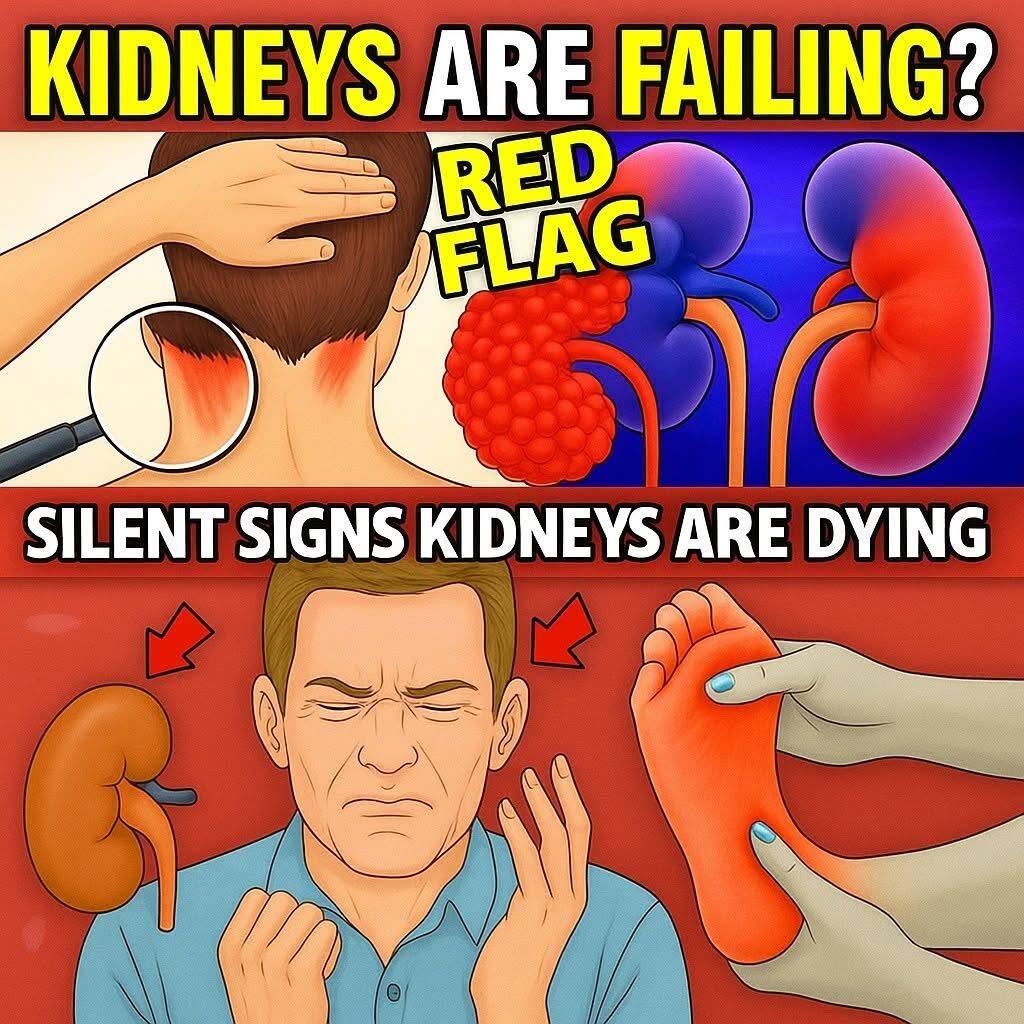
Your kidneys work around the clock to filter waste, balance fluids, and regulate important minerals in your blood. But when kidney function begins to decline, the warning signs can be so subtle that many people don’t realize anything is wrong.
Imagine waking up feeling unusually tired, even after a full night’s sleep.
Your ankles seem slightly swollen. You have been getting up more often at night to use the bathroom. Perhaps your skin has become unusually itchy, or you have noticed changes in your urine.
Individually, these symptoms may seem harmless.
But in some circumstances, they can be associated with declining kidney function.
Kidney disease is often called a silent condition because many people experience few or no noticeable symptoms during its early stages.
In fact, chronic kidney disease can progress for years before obvious symptoms appear.
However, there is an important distinction: these symptoms do not automatically mean your kidneys are failing. Many can be caused by other common medical conditions.
The most reliable way to detect kidney disease is through appropriate blood and urine tests.
Here are 10 possible warning signs, what they may mean, and when you should seek medical attention.
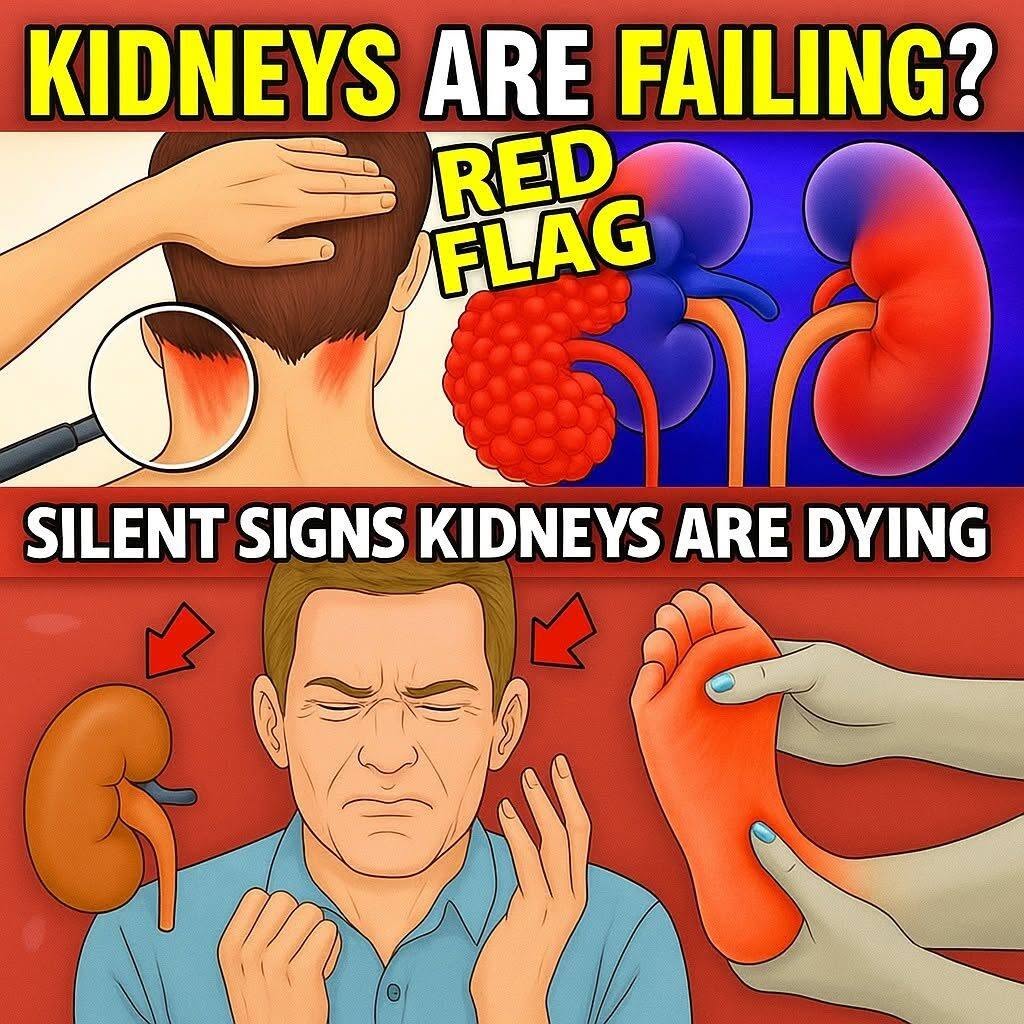
What Do Your Kidneys Actually Do?
Your kidneys are two bean-shaped organs located toward the back of your abdomen, just below the rib cage.
Although they are relatively small, they perform several essential functions.
Every day, they filter blood and remove waste products through urine.
They also help maintain the correct balance of water and electrolytes.
Your kidneys are responsible for several important processes:
- Removing waste products from the blood.
- Regulating fluid balance.
- Helping control blood pressure.
- Maintaining sodium and potassium balance.
- Regulating acid-base balance.
- Producing hormones involved in red blood cell formation.
- Activating vitamin D to support bone health.
When kidney function declines, these processes may become disrupted.
The effects can extend far beyond the urinary system.
They may involve the heart, blood vessels, bones, nerves, skin, and muscles.
What Is Kidney Failure?
Kidney failure occurs when the kidneys lose enough function that they can no longer adequately perform their essential tasks without significant medical management.
However, not all kidney disease is kidney failure.
There are two major categories of kidney problems.
Acute Kidney Injury
Acute kidney injury, or AKI, involves a relatively sudden decline in kidney function.
It may develop over hours or days.
Possible causes include severe dehydration, infection, reduced blood flow to the kidneys, urinary obstruction, and certain medications.
Some cases improve when the underlying cause is treated promptly.
Others can be severe or life-threatening.
Chronic Kidney Disease
Chronic kidney disease, or CKD, refers to abnormalities in kidney structure or function that persist for at least three months and have implications for health.
It often develops gradually.
Diabetes and high blood pressure are two of the most important causes.
Many people with early CKD feel completely normal.
Symptoms become more likely as kidney function declines.
This is why waiting for symptoms before checking kidney health can be risky.
10 Silent Warning Signs of Kidney Problems
1. Changes in Urination
One possible sign of kidney problems is a change in your usual urination pattern.
You might notice that you need to urinate more frequently, especially at night.
Some people experience a change in urine volume.
Others notice unusually foamy urine.
What Should You Look For?
Possible changes include:
- Urinating more often than usual.
- Waking repeatedly at night to urinate.
- Producing unusually small amounts of urine.
- Persistent foamy urine.
- Blood in the urine.
These symptoms can have many causes.
Frequent nighttime urination, for example, may result from drinking fluids before bed, diabetes, urinary tract problems, prostate conditions, or certain medications.
Why Can Kidney Disease Affect Urination?
The kidneys help regulate how much water and waste leave the body.
Damage to kidney structures may affect the ability to concentrate urine.
Certain kidney conditions can also allow protein or blood to leak into the urine.
When Should You Seek Help?
Visible blood in the urine should be medically evaluated.
A sudden major reduction in urine output, especially with swelling or illness, requires urgent assessment.
Persistent foamy urine may justify testing for protein in the urine.
2. Swelling in the Feet, Ankles, or Legs
Have you ever noticed that your shoes feel tighter at the end of the day?
Or that your socks leave deep marks around your ankles?
Mild swelling can occur after prolonged standing or sitting.
However, persistent swelling may sometimes be associated with kidney disease.
Why Does Swelling Occur?
Healthy kidneys help regulate sodium and fluid balance.
When kidney function is impaired, the body may retain excess fluid and sodium.
Certain kidney diseases also cause protein loss through the urine.
Significant protein loss can contribute to swelling.
Common Areas
Swelling may appear in the:
- Feet.
- Ankles.
- Lower legs.
- Hands.
- Face or around the eyes.
Is Swelling Always a Kidney Problem?
No.
Heart failure, liver disease, venous insufficiency, pregnancy, medications, and other conditions can cause swelling.
Sudden swelling in one leg, especially with pain or redness, requires urgent evaluation for a possible blood clot.
Swelling accompanied by significant shortness of breath also requires urgent medical attention.
3. Persistent Fatigue and Weakness
Feeling tired occasionally is normal.
But persistent, unexplained fatigue can sometimes be associated with kidney disease.
Some people describe feeling exhausted despite getting enough sleep.
Others notice reduced stamina during everyday activities.
Why Can Kidney Problems Cause Fatigue?
Several mechanisms may contribute.
One is anemia.
Healthy kidneys produce erythropoietin, a hormone that helps stimulate red blood cell production.
When kidney function declines, erythropoietin production may decrease.
This can contribute to anemia.
Anemia reduces the blood’s capacity to transport oxygen efficiently.
As a result, a person may experience:
- Fatigue.
- Weakness.
- Reduced exercise tolerance.
- Dizziness.
- Shortness of breath during activity.
Advanced kidney disease can also cause fatigue through metabolic disturbances and the accumulation of waste products.
What Should You Do?
Persistent fatigue deserves evaluation.
Blood tests may help identify anemia, kidney dysfunction, thyroid disorders, or other causes.
Fatigue alone is not a reliable way to diagnose kidney disease.
4. Puffiness Around the Eyes
Some people wake up with swelling around their eyes.
Occasional puffiness can result from allergies, poor sleep, crying, or other common factors.
However, persistent puffiness may sometimes be associated with kidney problems.
Why Does It Happen?
Certain kidney diseases allow excessive amounts of protein to leak into the urine.
When blood protein levels become significantly reduced, fluid can accumulate in tissues.
The area around the eyes is particularly susceptible to visible swelling.
This may be more noticeable in the morning.
When Should You Be Concerned?
Seek medical advice if puffiness is persistent, unexplained, or accompanied by swelling elsewhere.
A urine test can help determine whether abnormal protein loss is present.
However, not every person with kidney disease develops facial swelling.
5. Dry, Itchy Skin
Itching is a common complaint with many possible explanations.
Dry weather, eczema, allergies, and irritating skincare products are frequent causes.
But persistent itching can also occur in people with advanced chronic kidney disease.
What Is Kidney-Related Itching?
The condition is sometimes called CKD-associated pruritus.
It may occur in people with advanced kidney disease, particularly those receiving dialysis.
Its causes are complex and may involve inflammation, altered nerve signaling, and other metabolic changes.
It is not simply the result of toxins accumulating beneath the skin.
What Might You Notice?
- Persistent itching.
- Dry or irritated skin.
- Itching that interferes with sleep.
- Scratch marks.
- Discomfort without an obvious rash.
What Should You Do?
If itching is persistent, discuss it with a healthcare professional.
Itching alone is not a specific sign of kidney disease.
Other possible causes include eczema, medication reactions, liver disorders, and thyroid conditions.
6. Muscle Cramps
Muscle cramps can occur for many reasons.
Exercise, prolonged activity, dehydration, and certain medications may contribute.
However, people with kidney disease may also experience cramps.
Why Can Kidney Disease Cause Muscle Cramps?
The kidneys help regulate electrolytes, including potassium, calcium, sodium, and phosphorus.
Disturbances in electrolyte balance may affect muscle function.
Some people with advanced kidney disease experience cramps, particularly during or after dialysis.
What Might You Notice?
- Painful contractions in the calves.
- Foot cramps.
- Recurrent muscle tightness.
- Cramps during the night.
Are Cramps a Reliable Sign of Kidney Failure?
No.
Muscle cramps are common in otherwise healthy people.
They become more concerning when accompanied by other symptoms or abnormal blood test results.
Do not take potassium or magnesium supplements to treat cramps without medical guidance if you have kidney disease.
Excess potassium can be dangerous when kidney function is impaired.
7. Nausea, Vomiting, or Loss of Appetite
Digestive symptoms are not usually the first thing people associate with kidney problems.
However, advanced kidney dysfunction can affect appetite and gastrointestinal comfort.
Why Does It Happen?
When kidney function becomes severely reduced, waste products may accumulate in the bloodstream.
This can contribute to a condition called uremia.
Uremia may cause:
- Nausea.
- Vomiting.
- Reduced appetite.
- Unpleasant taste in the mouth.
- General malaise.
These symptoms are more characteristic of advanced kidney dysfunction than early, mild CKD.
When Should You Seek Help?
Persistent vomiting or inability to keep fluids down requires medical assessment.
If you have known kidney disease, new nausea, vomiting, or appetite loss should be reported to your healthcare team.
These symptoms can also result from gastrointestinal infections, medication effects, pregnancy, and many other conditions.
8. Difficulty Concentrating or Feeling Mentally Foggy
Have you ever felt unusually forgetful or struggled to concentrate?
Poor sleep, stress, anxiety, and fatigue are common explanations.
However, significant kidney dysfunction can sometimes contribute to cognitive symptoms.
How Can Kidney Problems Affect the Brain?
Advanced kidney disease may cause anemia, electrolyte disturbances, and the accumulation of metabolic waste products.
These changes can affect brain function.
Possible symptoms include:
- Difficulty concentrating.
- Reduced mental clarity.
- Unusual drowsiness.
- Problems with attention.
- Confusion in severe cases.
Important Warning
Sudden confusion is not a symptom to monitor casually at home.
It can indicate a medical emergency.
Seek urgent medical attention if someone develops new confusion, marked drowsiness, or altered consciousness.
9. Shortness of Breath
Breathlessness can be associated with several medical conditions, including heart disease, lung disease, anemia, and kidney dysfunction.
In people with significant kidney disease, it may develop through more than one mechanism.
Fluid Overload
When the kidneys cannot adequately remove excess fluid, fluid may accumulate in the body.
In severe cases, it can affect the lungs and make breathing difficult.
Anemia
Kidney-related anemia can also contribute to breathlessness, particularly during physical activity.
What Should You Watch For?
- New breathlessness during normal activities.
- Difficulty breathing while lying flat.
- Waking up short of breath.
- Shortness of breath accompanied by swelling.
Sudden or severe shortness of breath, especially with chest pain or fainting, requires emergency medical care.
Do not assume breathlessness is caused by the kidneys without medical evaluation.
10. Persistent High Blood Pressure
High blood pressure is both a major cause and a possible consequence of chronic kidney disease.
This creates a cycle in which hypertension damages kidney blood vessels, while impaired kidney function can make blood pressure more difficult to control.
Why Is This Important?
High blood pressure often causes no obvious symptoms.
You may feel perfectly healthy even when your readings are elevated.
Over time, uncontrolled hypertension can damage the kidneys, heart, brain, and blood vessels.
What Should You Do?
Check your blood pressure according to medical recommendations.
If you have diabetes, kidney disease, or other cardiovascular risk factors, regular monitoring may be especially important.
Persistent high readings should be discussed with a healthcare professional.
A very high blood pressure reading accompanied by chest pain, severe headache, neurological symptoms, or breathing difficulty requires emergency assessment.
Can Kidney Disease Cause Pain in the Lower Back?
Many viral health posts suggest that lower back pain is a major warning sign of kidney failure.
However, this claim needs clarification.
Chronic kidney disease is often painless, particularly in its early stages.
Pain in the lower back is more commonly caused by muscles, joints, discs, or other musculoskeletal structures.
Kidney-related pain may occur with conditions such as:
- Kidney stones.
- Kidney infections.
- Urinary obstruction.
- Certain cystic kidney disorders.
Kidney pain is often felt in the flank, toward the side of the back beneath the ribs.
It may be accompanied by fever, urinary symptoms, nausea, or blood in the urine.
When Should You Seek Medical Attention?
Severe flank pain, especially with fever, vomiting, or blood in the urine, requires prompt evaluation.
Back pain alone does not mean your kidneys are failing.
Can Kidney Disease Cause Headaches?
Headaches have many possible causes.
Kidney disease may sometimes be associated with headaches through conditions such as uncontrolled high blood pressure.
However, headaches are not a specific or reliable early sign of kidney failure.
A sudden severe headache, particularly with neurological symptoms, requires emergency assessment.
Can Kidney Problems Cause Numbness or Tingling?
Advanced kidney disease can sometimes contribute to peripheral neuropathy.
This may cause tingling, burning, or numbness, particularly in the feet.
However, these symptoms can also occur with diabetes, vitamin deficiencies, nerve compression, and many other conditions.
Numbness alone cannot establish kidney disease.
What Are the Earliest Signs of Chronic Kidney Disease?
This is one of the most important questions.
Early chronic kidney disease often has no noticeable symptoms.
A person may have kidney damage while feeling completely normal.
That is why screening is important for people at increased risk.
Early abnormalities may include:
- Albumin in the urine.
- Reduced estimated glomerular filtration rate.
- Persistent blood in the urine in certain conditions.
- Structural abnormalities found during medical investigations.
These findings are detected through testing, not necessarily through symptoms.
The Two Most Important Tests for Kidney Health
If you are concerned about kidney disease, blood and urine testing provide much more useful information than trying to interpret symptoms alone.
1. Blood Test: Creatinine and eGFR
Creatinine is a waste product produced by normal muscle metabolism.
The kidneys help remove it from the blood.
A blood creatinine result can be used to estimate the glomerular filtration rate, or eGFR.
eGFR helps assess how well the kidneys filter blood.
Understanding eGFR
Common categories include:
- G1: 90 or higher.
- G2: 60–89.
- G3a: 45–59.
- G3b: 30–44.
- G4: 15–29.
- G5: Below 15.
These values are expressed in mL/min/1.73 m².
However, an eGFR in the G1 or G2 range does not establish chronic kidney disease without other evidence of kidney damage.
Similarly, a single low eGFR result does not always mean chronic kidney disease.
The abnormality generally must persist for at least three months, unless other clinical evidence establishes the condition.
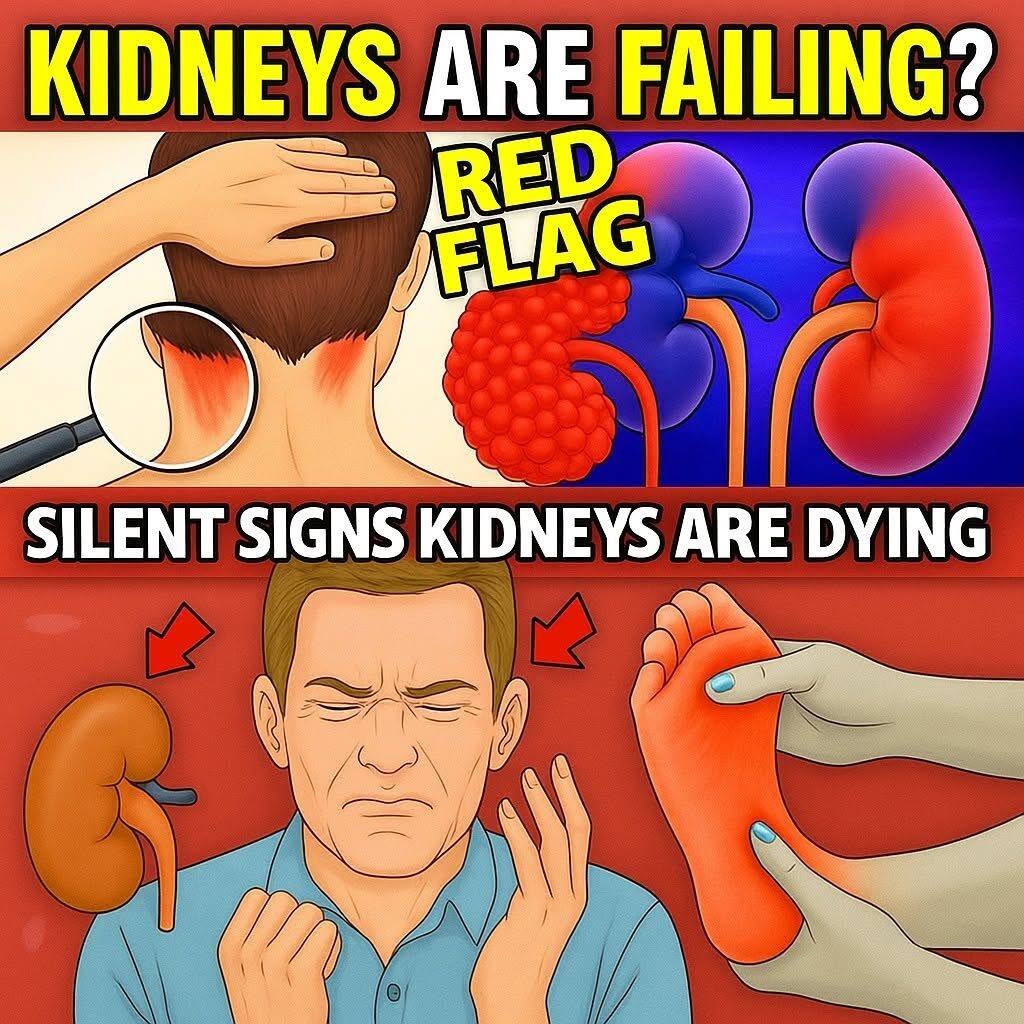
2. Urine Test: Albumin-to-Creatinine Ratio
The urine albumin-to-creatinine ratio, or UACR, measures how much albumin is present in the urine relative to creatinine.
Albumin is a protein normally retained in the bloodstream by healthy kidneys.
Increased urinary albumin may indicate kidney damage.
Common categories are:
- A1: Below 30 mg/g.
- A2: 30–300 mg/g.
- A3: Above 300 mg/g.
Temporary increases can occur because of factors such as infection, fever, or strenuous exercise.
Abnormal results may require repeat testing.
Why Both Tests Matter
A person can have a relatively preserved eGFR while still having albumin in the urine.
Using both tests gives a more complete picture of kidney health.
Who Is Most at Risk of Kidney Disease?
Certain conditions increase the likelihood of developing chronic kidney disease.
Diabetes
Diabetes is a leading cause of chronic kidney disease.
Persistently elevated blood glucose can damage the kidneys’ filtering structures over time.
High Blood Pressure
Uncontrolled hypertension can damage small blood vessels in the kidneys.
Family History
Some kidney conditions have genetic components.
A family history of kidney disease may increase risk.
Cardiovascular Disease
Heart and kidney health are closely connected.
People with cardiovascular disease may have a higher risk of kidney problems.
Older Age
Kidney function may decline with age, although aging alone does not necessarily mean someone has kidney disease.
Certain Medications
Some medications can affect kidney function, particularly in susceptible individuals.
Examples include nonsteroidal anti-inflammatory drugs, such as ibuprofen and naproxen, especially with prolonged or inappropriate use.
Recurrent Kidney Infections or Obstruction
Repeated infections, urinary obstruction, or certain structural abnormalities can contribute to kidney damage.
Can Drinking More Water Prevent Kidney Failure?
Drinking adequate fluids supports normal body function.
However, drinking excessive amounts of water does not automatically improve kidney function.
The amount of fluid a person needs depends on factors such as activity level, climate, diet, and medical conditions.
People with advanced kidney disease or heart failure may need individualized fluid restrictions.
There is no universal amount of water that prevents kidney failure.
If you have a medical condition affecting fluid balance, follow your healthcare team’s advice.
Can Kidney Damage Be Reversed?
The answer depends on the cause and type of kidney injury.
Some cases of acute kidney injury can improve significantly when the underlying problem is treated promptly.
For example, kidney dysfunction caused by dehydration or certain medication effects may be reversible.
Chronic kidney disease, however, often involves persistent structural or functional damage.
While established scarring may not be reversible, treatment can frequently slow progression and reduce complications.
Managing blood pressure, diabetes, and other risk factors is essential.
Certain medications have also been shown to reduce kidney disease progression in appropriately selected patients.
8 Ways to Help Protect Your Kidneys
1. Manage Your Blood Pressure
Keeping blood pressure within your recommended range can reduce kidney damage risk.
2. Control Blood Sugar if You Have Diabetes
Follow your individualized diabetes management plan.
3. Avoid Unnecessary Use of Certain Painkillers
Frequent or inappropriate use of NSAIDs can harm kidney function in some people.
Ask your healthcare professional which pain relief options are appropriate for you.
4. Stay Appropriately Hydrated
Drink according to your needs and medical recommendations.
Avoid both dehydration and excessive fluid intake.
5. Reduce Excessive Sodium Intake
A balanced diet with appropriate sodium intake can support blood pressure management.
6. Stay Physically Active
Regular movement supports cardiovascular and metabolic health.
7. Avoid Smoking
Smoking contributes to vascular damage and can worsen kidney health.
8. Get Tested if You Are at Risk
Blood and urine tests can detect problems before symptoms appear.
5 Common Kidney Health Myths
Myth 1: Kidney Failure Always Causes Severe Back Pain
Fact: Chronic kidney disease is often painless, especially early on.
Myth 2: Clear Urine Means Your Kidneys Are Healthy
Fact: Urine color alone cannot determine kidney function.
Myth 3: Drinking Large Amounts of Water Can Cure Kidney Disease
Fact: Excessive water intake does not reverse established kidney damage and may be harmful in certain conditions.
Myth 4: You Will Always Feel Sick if Your Kidneys Are Damaged
Fact: Many people with early kidney disease feel completely normal.
Myth 5: Kidney Disease Only Affects Older Adults
Fact: Kidney disease can occur at any age, depending on underlying conditions and risk factors.
When Should You Seek Emergency Medical Care?
Certain symptoms require immediate assessment.
Seek emergency medical help for:
- Severe shortness of breath.
- Chest pain.
- Sudden confusion or loss of consciousness.
- Little or no urine output accompanied by serious illness or swelling.
- Severe weakness associated with suspected electrolyte disturbances.
- Severe flank pain with fever or signs of serious infection.
Seek prompt medical evaluation for persistent swelling, blood in the urine, recurrent vomiting, or significant changes in urination.
Do not wait for several warning signs to appear together.
Frequently Asked Questions About Kidney Failure
What Is the First Sign of Kidney Failure?
There is no single universal first symptom. Early kidney disease often causes no noticeable symptoms.
Can Your Kidneys Fail Without Pain?
Yes. Chronic kidney disease can progress without causing kidney pain.
Does Kidney Disease Cause Swollen Feet?
It can, particularly when fluid balance or protein regulation is affected.
Why Do Kidney Patients Feel Tired?
Possible reasons include anemia, metabolic disturbances, and the underlying illness.
Can Kidney Disease Cause Itchy Skin?
Yes, particularly in advanced CKD, but itching has many other possible causes.
Is Foamy Urine a Sign of Kidney Disease?
Persistent foamy urine can sometimes be associated with protein in the urine, but it is not diagnostic.
Can You Have Kidney Disease With Normal Urine Output?
Yes. Some people with kidney disease continue producing normal or near-normal amounts of urine.
Does High Blood Pressure Damage the Kidneys?
Yes. Longstanding uncontrolled high blood pressure can damage kidney blood vessels.
Can Diabetes Cause Kidney Failure?
Yes. Diabetes is a major cause of chronic kidney disease and kidney failure.
Can Kidney Disease Cause Nausea?
Advanced kidney dysfunction can cause nausea and appetite loss.
Is Lower Back Pain Always Related to the Kidneys?
No. Most lower back pain is caused by musculoskeletal conditions rather than kidney failure.
What Blood Test Checks Kidney Function?
Blood creatinine and calculated eGFR are commonly used.
What Urine Test Detects Early Kidney Damage?
The urine albumin-to-creatinine ratio is an important screening test.
Can Kidney Function Improve?
Some acute kidney injuries improve with treatment. Chronic kidney disease management focuses on slowing progression and preventing complications.
Can Kidney Disease Be Prevented?
Not every case is preventable, but managing diabetes, blood pressure, and other risk factors can reduce risk.
Should Everyone Get Kidney Tests?
Screening is especially important for people with risk factors. Discuss appropriate testing with your healthcare professional.
Final Thoughts: Don’t Wait for Symptoms to Protect Your Kidneys
Your kidneys are essential to your overall health.
They filter waste, regulate fluids, balance electrolytes, and support several important hormonal processes.
But kidney disease can develop quietly.
Some people experience swelling, fatigue, urinary changes, itching, muscle cramps, or other symptoms.
Others notice nothing unusual until testing reveals a problem.
The most important message is that kidney disease cannot be reliably diagnosed—or ruled out—based on symptoms alone.
If you have diabetes, high blood pressure, a family history of kidney disease, or other risk factors, ask your healthcare professional whether kidney screening is appropriate.
A simple blood test and urine test can provide valuable information.
And if you develop sudden severe symptoms, seek urgent medical care rather than relying on online advice.
Early detection and appropriate treatment can make a meaningful difference.
Have You Ever Heard of These Kidney Warning Signs?
Did you know that chronic kidney disease can progress without obvious symptoms?
Which of these 10 possible signs surprised you most?
Share your thoughts in the comments and help raise awareness about the importance of kidney health and early screening.
Medical disclaimer: This article is for educational purposes only. It does not diagnose kidney disease or replace professional medical advice. Symptoms described here have many possible causes and should be evaluated in the appropriate clinical context.