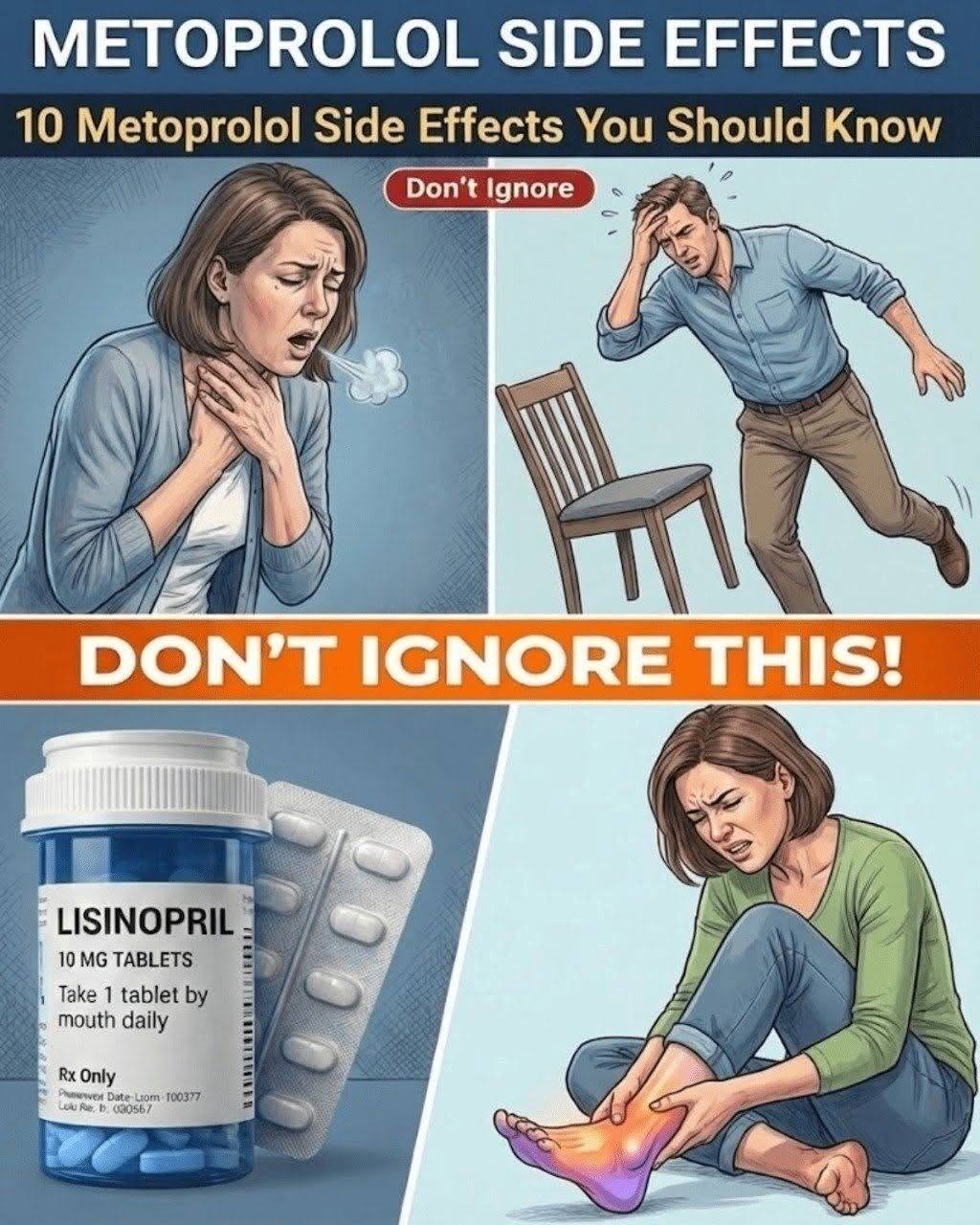
Metoprolol is a widely prescribed heart medication that helps millions of people manage cardiovascular conditions. But like any prescription medicine, it can cause side effects—and some deserve more attention than others.
Have you ever felt unusually tired after starting a new medication? Experienced dizziness when standing up? Or noticed that your hands and feet feel colder than usual?
If you take metoprolol, these symptoms may be related to your treatment.
Metoprolol belongs to a group of medicines called beta-blockers. It is commonly prescribed for high blood pressure, certain heart rhythm problems, angina, and specific forms of heart failure. Certain formulations are also used after a heart attack.
By slowing the heart rate and reducing the effects of stress hormones on the heart, metoprolol can help reduce the heart’s workload.
However, these same effects can sometimes produce unwanted symptoms.
Understanding potential side effects is important, but it is equally important not to stop taking metoprolol suddenly without medical advice.
Abruptly discontinuing a beta-blocker can cause serious cardiovascular problems, particularly in people with coronary artery disease.
In this article, we will explore 10 possible metoprolol side effects, explain why they happen, identify dangerous warning signs, and discuss practical ways to manage your medication safely.
What Is Metoprolol and How Does It Work?
Metoprolol is a prescription medication classified as a beta-1 selective adrenergic blocker.
Beta receptors respond to hormones such as adrenaline and noradrenaline.
These hormones can increase heart rate and the force of heart contractions.
Metoprolol blocks some of these effects, particularly in the heart.
As a result, the medication can:
- Slow the heart rate.
- Reduce the force of heart contractions.
- Lower blood pressure in many patients.
- Decrease the heart’s oxygen demand.
- Help control certain abnormal heart rhythms.
Metoprolol is available in different formulations.
Metoprolol Tartrate
Metoprolol tartrate is generally an immediate-release formulation.
It is commonly taken more than once daily, depending on the prescribed regimen.
It is used for conditions including hypertension and angina, and in certain settings following a heart attack.
Metoprolol Succinate
Metoprolol succinate extended-release is designed to release the medication gradually.
It is commonly taken once daily.
This formulation is approved for certain types of chronic heart failure, as well as hypertension and angina.
These formulations are not automatically interchangeable on a milligram-for-milligram basis without considering the prescribed regimen.
Always follow your prescription label and pharmacist’s instructions.
10 Metoprolol Side Effects You Should Know
1. Unusual Tiredness and Fatigue
One of the most commonly reported side effects of metoprolol is fatigue.
Some people describe feeling unusually sleepy, sluggish, or less energetic than normal.
Others notice that activities they previously completed easily now feel more tiring.
Why Does It Happen?
Metoprolol slows the heart rate and reduces the heart’s response to adrenaline.
This is useful when the goal is to reduce cardiovascular strain.
However, some people may experience reduced exercise tolerance or a general feeling of tiredness, particularly when beginning treatment or after a dose increase.
What You Might Notice
- Feeling tired earlier in the day.
- Reduced energy during physical activity.
- Needing more rest than usual.
- Difficulty maintaining your usual exercise intensity.
What Should You Do?
If fatigue is mild, it may improve as your body adjusts.
However, persistent or severe fatigue should be discussed with your prescriber.
Your clinician may review your heart rate, blood pressure, dose, other medications, and possible alternative causes.
Do not independently reduce or skip doses.
2. Dizziness or Lightheadedness
Dizziness is another possible side effect.
You may notice it when standing up quickly, getting out of bed, or changing position.
In some cases, it can be associated with low blood pressure or a slower-than-expected heart rate.
Why Does It Happen?
Metoprolol can lower blood pressure and slow the heart.
For some individuals, these effects may contribute to lightheadedness.
Dizziness may be more noticeable when treatment begins, the dose increases, or another blood-pressure-lowering medication is added.
How to Reduce the Risk
Stand up gradually after sitting or lying down.
Hold onto a stable surface if you feel unsteady.
Avoid driving or operating dangerous equipment if you are dizzy.
Stay adequately hydrated unless your healthcare team has recommended fluid restrictions.
When Is It Serious?
Seek prompt medical assessment if dizziness is persistent, severe, or accompanied by an unusually slow pulse.
Fainting, chest pain, or severe breathing difficulty requires urgent medical attention.
3. A Slower Heart Rate
Metoprolol is designed to slow the heart rate.
This effect is often beneficial.
For example, reducing the heart rate may help manage certain arrhythmias or decrease the heart’s oxygen demand.
However, sometimes the heart rate becomes excessively slow.
This is called bradycardia.
What Are the Symptoms?
Possible symptoms include:
- Unusual weakness.
- Dizziness.
- Lightheadedness.
- Fatigue.
- Reduced exercise tolerance.
- Fainting.
Some people naturally have a low resting heart rate without symptoms, particularly trained athletes.
Therefore, the significance of a pulse reading depends on the person, their medical condition, and their treatment goals.
When Should You Contact a Doctor?
Contact your healthcare professional if your pulse is substantially below your prescribed target or you develop symptoms suggesting excessive slowing.
A heart rate below approximately 50 beats per minute may warrant assessment in someone taking metoprolol, particularly if symptoms are present, but individual thresholds vary.
Fainting, confusion, severe weakness, or chest pain with a slow heart rate requires urgent evaluation.
4. Cold Hands and Feet
Some people taking beta-blockers notice that their fingers or toes feel colder than usual.
This can occur because beta-blockers may affect blood flow and vascular responses in the extremities.
Although metoprolol is relatively selective for beta-1 receptors, that selectivity is not absolute, especially at higher doses.
What Might You Notice?
- Cold fingers.
- Cold toes.
- Increased sensitivity to low temperatures.
- Uncomfortable sensations in the hands or feet.
What Can Help?
Wear warm socks and gloves when necessary.
Avoid prolonged exposure to cold temperatures.
Maintain appropriate physical activity if your clinician permits it.
If the symptom is persistent or bothersome, discuss it with your prescriber.
Important Warning
Cold hands and feet are not always caused by medication.
Circulatory conditions can produce similar symptoms.
Sudden severe pain, marked discoloration, or loss of sensation in an extremity requires urgent medical evaluation.
5. Shortness of Breath or Wheezing
Metoprolol is more selective for beta-1 receptors than nonselective beta-blockers.
However, it can still affect breathing in some patients.
This is especially important for people with asthma or other conditions involving narrowed airways.
Why Can Breathing Problems Occur?
Beta-2 receptors help regulate relaxation of the muscles surrounding the airways.
Although metoprolol primarily targets beta-1 receptors, its selectivity is incomplete.
In susceptible individuals, beta-blockade may contribute to bronchospasm.
Warning Signs
- New wheezing.
- Chest tightness.
- Difficulty breathing.
- Worsening asthma symptoms.
- Increased need for rescue inhalers.
What Should You Do?
New or worsening breathing symptoms should be assessed promptly.
Severe shortness of breath, inability to speak normally because of breathing difficulty, or signs of a serious allergic reaction require emergency care.
People with asthma or significant respiratory disease should ensure their prescriber knows about these conditions.
Do not stop the medication abruptly without professional guidance unless emergency clinicians instruct you to do so.
6. Nausea, Diarrhea, or Stomach Discomfort
Metoprolol can sometimes cause gastrointestinal side effects.
These may include nausea, diarrhea, abdominal discomfort, or other digestive symptoms.
Not everyone experiences these problems.
Why Might They Occur?
Medications can influence the gastrointestinal system through several mechanisms.
Individual sensitivity, dose, and interactions with other medicines may contribute.
How to Manage Mild Symptoms
Follow the instructions for your specific formulation.
Metoprolol tartrate is generally recommended with or immediately following meals.
Metoprolol succinate extended-release may be taken with or without food according to its labeling, though consistent administration is useful.
Avoid changing how you take the medication without checking your prescription instructions.
If nausea or diarrhea persists, contact your healthcare professional.
When to Seek Help
Persistent vomiting, significant dehydration, severe abdominal pain, or blood in the stool requires medical assessment.
These symptoms should not automatically be blamed on metoprolol.
7. Sleep Disturbances or Unusual Dreams
Some people report changes in sleep while taking metoprolol.
These may include difficulty sleeping, vivid dreams, or unusual nighttime experiences.
Sleep-related effects vary considerably between individuals.
Why Might This Happen?
Metoprolol can enter the central nervous system.
Beta-blockers may influence certain processes involved in sleep regulation.
However, sleep difficulties have many possible causes, including stress, other medications, caffeine, and underlying medical conditions.
What Can Help?
Maintain a consistent sleep schedule.
Limit caffeine close to bedtime.
Avoid excessive screen exposure immediately before sleep if it disrupts your rest.
Discuss persistent symptoms with your clinician.
Do not change the timing of your prescription without checking first.
8. Mood Changes or Low Mood
Some patients report mood-related symptoms while taking beta-blockers.
These can include feeling less energetic, emotionally flat, or unusually low.
However, the relationship between beta-blockers and depression is complex.
Large analyses have not consistently demonstrated that beta-blockers cause depression more often than placebo.
Fatigue, sleep disruption, and the underlying cardiovascular condition may also affect mood.
What Should You Watch For?
- Persistent sadness.
- Loss of interest in normal activities.
- Changes in sleep.
- Difficulty concentrating.
- Significant changes in energy.
What Should You Do?
Discuss new or worsening mood symptoms with your healthcare professional.
A medication review may be appropriate, but it is important to investigate other possible causes as well.
If you experience thoughts of self-harm, seek immediate professional or emergency support.
Do not assume that every mood change is caused by metoprolol.
9. Sexual Side Effects
Some people taking beta-blockers report sexual difficulties.
In men, these may include erectile difficulties.
Other patients may report changes in sexual interest or satisfaction.
However, cardiovascular disease, diabetes, stress, anxiety, and other medications can also affect sexual function.
Why Might This Happen?
Several factors may contribute, including changes in cardiovascular responses, psychological expectations, and underlying health conditions.
The relationship is not identical for all beta-blockers or all patients.
What Should You Do?
If sexual side effects are affecting your quality of life, discuss them openly with your healthcare professional.
Treatment options may include reviewing your medication regimen or addressing other contributing conditions.
Never stop a prescribed heart medication solely because of a suspected sexual side effect without obtaining medical advice.
10. Swelling, Weight Changes, or Worsening Heart Failure Symptoms
This is an especially important side effect to understand.
Metoprolol succinate extended-release is used to treat certain forms of chronic heart failure because, when prescribed appropriately, it can improve long-term outcomes.
However, beta-blocker treatment may sometimes temporarily worsen heart failure symptoms, particularly when therapy begins or the dose is increased.
What Might You Notice?
- New or worsening swelling in the feet or ankles.
- Unexpected weight gain over a short period.
- Increasing shortness of breath.
- Greater difficulty lying flat.
- Waking up breathless at night.
- Unusual fatigue.
Why Can This Happen?
Metoprolol reduces heart rate and the force of heart contractions.
In appropriately selected and stable patients, these effects contribute to long-term benefits.
But in some circumstances, especially during dose adjustment, they may worsen fluid retention or symptoms of inadequate cardiac output.
What Should You Do?
If you have heart failure, follow your clinician’s instructions about monitoring weight and symptoms.
Report new swelling, rapid weight gain, or worsening breathlessness promptly.
Severe breathing difficulty, chest pain, or fainting requires emergency evaluation.
Do not confuse mild, temporary medication effects with potentially serious worsening heart failure.
Which Metoprolol Side Effects Are Most Common?
Not everyone taking metoprolol experiences side effects.
Many people tolerate the medication well.
The likelihood of symptoms depends on factors such as:
- Your dose.
- The formulation prescribed.
- Your age.
- Other medications.
- Kidney and liver health.
- Underlying cardiovascular conditions.
- Individual sensitivity.
Some commonly reported effects include fatigue, dizziness, a slower pulse, and gastrointestinal symptoms.
Other reactions are less common but potentially more serious.
The exact frequency of individual side effects varies across clinical trials, formulations, and patient populations.
Serious Metoprolol Warning Signs You Should Never Ignore
Although most side effects are not emergencies, some symptoms require urgent attention.
Seek emergency medical care for:
- Severe shortness of breath.
- Chest pain.
- Fainting or loss of consciousness.
- Severe confusion or inability to remain alert.
- Swelling of the face, tongue, or throat.
- Signs of a severe allergic reaction.
- Severe weakness accompanied by a very slow pulse.
Contact your healthcare professional promptly for:
- Repeated dizziness.
- Symptomatic low blood pressure.
- New swelling in the legs.
- Rapid unexplained weight gain.
- Worsening exercise tolerance.
- Persistent wheezing.
- Increasing fatigue after a dose change.
Recognizing symptoms early can help prevent complications.
Why You Should Never Stop Metoprolol Suddenly
One of the most important safety warnings associated with metoprolol concerns abrupt withdrawal.
If you have been taking the medication regularly, suddenly stopping it can lead to increased sympathetic activity.
This may result in:
- A faster heart rate.
- Increased blood pressure.
- Worsening angina.
- Abnormal heart rhythms.
- Increased risk of serious cardiac events in susceptible individuals.
People with coronary artery disease are particularly vulnerable.
How Is Metoprolol Usually Discontinued?
When discontinuation is medically appropriate, a clinician may gradually reduce the dose, often over approximately one to two weeks, while monitoring symptoms.
The exact schedule depends on the person’s condition and prescription.
Never create your own tapering schedule or stop metoprolol without consulting the prescriber.
If a severe reaction occurs, seek urgent medical care.
Can Metoprolol Make You Feel Dizzy When Standing?
Yes.
Metoprolol may contribute to dizziness or lightheadedness, especially in combination with other blood-pressure-lowering medications.
However, not every episode of dizziness is caused by metoprolol.
Dehydration, anemia, low blood sugar, heart rhythm disorders, and other medical conditions can produce similar symptoms.
If dizziness is frequent, your healthcare professional may recommend checking blood pressure and pulse under appropriate conditions.
Can Metoprolol Cause Swollen Ankles?
Swelling is not always a direct medication side effect.
In some patients, new or worsening swelling may reflect fluid retention or a change in heart failure status.
Other medications and medical conditions can also cause ankle swelling.
If swelling develops after starting or increasing metoprolol, discuss it with your clinician.
Sudden swelling in one leg, especially with pain or redness, requires urgent assessment for a possible blood clot.
Does Metoprolol Cause Weight Gain?
Some people taking beta-blockers may experience modest weight changes.
However, substantial or rapid weight gain should not automatically be attributed to the medication itself.
In people with heart failure, rapid weight gain can indicate fluid retention.
If your healthcare team has given you a weight-monitoring plan, follow its specific thresholds for contacting them.
Can Metoprolol Affect Blood Sugar?
Yes, metoprolol can complicate the recognition of low blood sugar in some people.
This is especially important for individuals with diabetes who use insulin or medications that can cause hypoglycemia.
Beta-blockers can mask certain warning signs of hypoglycemia, particularly a rapid heartbeat.
Some symptoms, such as sweating, may still occur.
Why Does This Matter?
People sometimes recognize low blood sugar because their heart starts racing.
Metoprolol may reduce this response.
As a result, relying on symptoms alone can be less dependable.
What Should People With Diabetes Do?
Monitor blood glucose as recommended.
Learn how your body responds to hypoglycemia.
Follow your diabetes treatment plan.
Discuss repeated low blood sugar episodes with your healthcare team.
Do not assume that a normal heart rate rules out hypoglycemia.
Metoprolol and Asthma: Is It Safe?
Metoprolol is relatively selective for beta-1 receptors, but this does not mean it is completely free of respiratory effects.
In people with asthma, the risks and benefits require individualized consideration.
Some patients may be prescribed a cardioselective beta-blocker when there is a strong cardiovascular reason.
However, respiratory symptoms should be monitored carefully.
Tell your prescriber if you have asthma, chronic obstructive pulmonary disease, or a history of bronchospasm.
Never assume that all beta-blockers have identical effects on breathing.
Metoprolol and Lisinopril: Why Are They Sometimes Prescribed Together?
An important detail in some online discussions about metoprolol is the appearance of another medication called lisinopril.
Metoprolol and lisinopril are different drugs.
Metoprolol is a beta-blocker.
Lisinopril is an angiotensin-converting enzyme inhibitor, commonly called an ACE inhibitor.
Both may be used in cardiovascular treatment, sometimes together.
However, their side effects differ.
For example, lisinopril can cause a persistent dry cough and, rarely, angioedema, a potentially dangerous swelling reaction.
Metoprolol is more commonly associated with effects such as slower heart rate and fatigue.
Why Does the Difference Matter?
If someone takes both medications and develops a symptom, identifying the responsible drug may not be straightforward.
A persistent dry cough may suggest an ACE inhibitor effect rather than a typical metoprolol reaction.
However, any new cough, wheezing, or breathing difficulty should be assessed in context.
Never stop either medication without appropriate medical advice.
What Medications Can Interact With Metoprolol?
Drug interactions can increase the risk of side effects.
Some medications may slow the heart rate further or alter how metoprolol is processed.
Examples include certain:
- Heart rhythm medications.
- Calcium channel blockers, such as verapamil or diltiazem.
- Antidepressants that inhibit CYP2D6, including fluoxetine and paroxetine.
- Other blood-pressure-lowering medications.
- Medications affecting cardiac conduction.
This is not a complete interaction list.
Why Are Interactions Important?
Some combinations can increase the risk of:
- Excessively slow heart rate.
- Low blood pressure.
- Dizziness.
- Heart conduction problems.
Other medications may increase metoprolol concentrations in the bloodstream.
Always provide your pharmacist or prescriber with a complete list of prescription medicines, over-the-counter products, and supplements.
How to Reduce Metoprolol Side Effects Safely
If you experience mild side effects, several practical steps may help.
1. Follow Your Prescribed Schedule
Take the medication exactly as directed.
Do not skip doses or double up without following your clinician’s instructions.
2. Monitor Your Blood Pressure if Recommended
Home monitoring can help identify unusually low readings or changes after dose adjustments.
Use a properly fitted cuff and follow standard measurement instructions.
3. Check Your Pulse if Recommended
Your healthcare professional may provide an individualized heart-rate range or a threshold for calling the clinic.
4. Stand Up Slowly
This can reduce the risk of dizziness when changing position.
5. Discuss Persistent Fatigue
Fatigue may be related to the medication, but it can also reflect the underlying heart condition or another medical issue.
6. Review Other Medications
Interactions may contribute to side effects.
A pharmacist can help identify potential problems.
7. Keep a Symptom Diary
Record when symptoms occur, their severity, and any relationship to dose changes.
This information can help your clinician make treatment decisions.
8. Avoid Abrupt Discontinuation
Always seek medical guidance before stopping metoprolol.
Who Needs Extra Caution With Metoprolol?
Certain patients may require closer monitoring.
These include people with:
- A naturally slow heart rate.
- Certain heart conduction disorders.
- Low blood pressure.
- Decompensated heart failure.
- Asthma or bronchospastic disease.
- Diabetes treated with glucose-lowering medication.
- Significant liver impairment.
- Multiple medications affecting heart rate or blood pressure.
Older adults may also be more susceptible to dizziness and falls in some circumstances.
Treatment should always be individualized.
Is Metoprolol Safe During Pregnancy?
Metoprolol may be used during pregnancy when a clinician determines that the expected benefits outweigh potential risks.
However, beta-blocker exposure during pregnancy can be associated with considerations such as fetal growth monitoring and possible effects on the newborn, including low heart rate or low blood sugar.
Medication decisions during pregnancy should involve the appropriate healthcare professionals.
Do not stop a prescribed cardiovascular medication during pregnancy without medical guidance.
Untreated maternal cardiovascular disease can also carry significant risks.
Can You Take Metoprolol While Breastfeeding?
Metoprolol passes into breast milk in relatively small amounts.
It is often considered compatible with breastfeeding in appropriate circumstances, particularly for healthy, full-term infants.
However, individual considerations matter.
A healthcare professional may advise monitoring for unusual sleepiness, poor feeding, or other concerning symptoms, especially in premature or medically vulnerable infants.
Discuss your specific situation with your healthcare team.
What Happens if You Accidentally Take Too Much Metoprolol?
An overdose can be dangerous.
Possible effects include:
- Severely slow heart rate.
- Marked low blood pressure.
- Fainting.
- Breathing problems.
- Altered consciousness.
- Serious heart rhythm disturbances.
If you suspect an overdose, seek emergency medical assistance or contact a poison control service immediately.
Do not wait for symptoms to develop.
Do not induce vomiting.
Metoprolol: Common Myths and Facts
Myth 1: Everyone Who Takes Metoprolol Experiences Side Effects
Fact: Many patients tolerate the medication without major problems.
Myth 2: A Slower Heart Rate Is Always Dangerous
Fact: Slowing the heart is one of metoprolol’s intended effects. The concern is excessive slowing, especially when symptoms occur.
Myth 3: Metoprolol Always Causes Depression
Fact: Evidence does not consistently support a direct causal relationship between beta-blockers and depression.
Myth 4: Metoprolol and Lisinopril Are the Same Medication
Fact: They belong to different drug classes and have different mechanisms and side-effect profiles.
Myth 5: You Can Stop Metoprolol as Soon as You Feel Better
Fact: Abrupt withdrawal can be dangerous. Treatment changes require medical supervision.
Myth 6: Metoprolol Is Only Used for High Blood Pressure
Fact: It is also used for several other cardiovascular conditions, depending on the formulation and clinical situation.
Myth 7: Every New Symptom Must Be Caused by Metoprolol
Fact: Other medications, illnesses, and underlying heart conditions can produce similar symptoms.
Frequently Asked Questions About Metoprolol
What Is the Most Common Side Effect of Metoprolol?
Fatigue and dizziness are among the commonly reported side effects, although frequency varies by formulation and patient population.
Can Metoprolol Make You Feel Weak?
Yes. Some patients experience fatigue or weakness, particularly after starting treatment or increasing the dose.
Does Metoprolol Cause Dizziness?
It can, especially when blood pressure or heart rate becomes lower than the individual tolerates comfortably.
Can Metoprolol Cause Shortness of Breath?
Yes, in some circumstances. New or worsening breathing difficulty requires medical assessment.
Does Metoprolol Cause a Dry Cough?
A persistent dry cough is more characteristic of ACE inhibitors such as lisinopril than metoprolol, although cough can have many causes.
Can Metoprolol Cause Leg Swelling?
New swelling may occur in the setting of worsening heart failure or other medical conditions and should be evaluated.
Can Metoprolol Cause Weight Gain?
Some beta-blockers are associated with modest weight changes. Rapid weight gain may indicate fluid retention and requires assessment.
Does Metoprolol Cause Cold Feet?
It may contribute to cold hands or feet in some people.
Can Metoprolol Cause Nightmares?
Sleep disturbances and vivid dreams have been reported, although not everyone experiences them.
Does Metoprolol Affect Sexual Function?
Sexual difficulties have been reported with beta-blockers, but several other factors can contribute.
Can Metoprolol Cause Low Blood Sugar?
It can affect glucose regulation in some circumstances and may mask certain warning symptoms of hypoglycemia.
Is Metoprolol Safe for People With Asthma?
It requires individualized medical assessment because bronchospasm can occur despite its relative beta-1 selectivity.
What Heart Rate Is Too Low on Metoprolol?
There is no universal cutoff for every patient. Symptoms, medical history, and individualized targets matter.
Can I Skip Metoprolol if My Blood Pressure Is Normal?
Do not skip a prescribed dose simply because one blood pressure reading is normal. Follow your clinician’s instructions.
Can I Stop Taking Metoprolol Suddenly?
No. Abrupt discontinuation can cause serious cardiovascular complications.
How Long Do Metoprolol Side Effects Last?
Some mild symptoms improve as the body adjusts, while others may persist and require a medication review.
Should I Take Metoprolol in the Morning or at Night?
Follow your specific prescription instructions. Timing depends on the formulation, indication, and individual treatment plan.
Can Metoprolol Be Taken With Other Blood Pressure Medicines?
Yes, it is sometimes prescribed with other cardiovascular medications, but certain combinations require monitoring.
What Should I Do if I Miss a Dose?
Follow the instructions provided with your prescription or ask your pharmacist. Do not take a double dose to compensate unless specifically instructed by a healthcare professional.
When Should You Talk to Your Doctor About Changing Metoprolol?
A medication review may be appropriate if you experience persistent symptoms that affect your daily life.
Examples include:
- Ongoing fatigue that limits normal activities.
- Frequent dizziness.
- Symptomatic bradycardia.
- New breathing difficulties.
- Significant sleep disturbances.
- Troublesome sexual side effects.
- Worsening swelling or exercise tolerance.
Your healthcare professional may consider adjusting the dose, reviewing interactions, investigating another cause, or changing treatment when appropriate.
However, the decision must account for why metoprolol was prescribed in the first place.
For some cardiovascular conditions, the medication provides important protective benefits.
The goal is to balance effectiveness, safety, and quality of life.
Final Thoughts: Know the Side Effects, but Don’t Ignore the Benefits
Metoprolol is an important medication used to treat several cardiovascular conditions.
For many patients, its benefits are substantial.
It can help control heart rate, reduce blood pressure, relieve angina, and improve outcomes in certain forms of heart failure.
But like all medications, it can cause side effects.
The 10 potential effects discussed in this article include fatigue, dizziness, slow heart rate, cold extremities, breathing difficulties, digestive symptoms, sleep changes, mood-related symptoms, sexual difficulties, and possible worsening of heart failure symptoms.
Some are mild and temporary.
Others may indicate a problem requiring prompt medical attention.
The most important safety rule is simple: never stop metoprolol suddenly or change your dose without medical guidance.
If you experience unusual symptoms, speak with your prescriber or pharmacist.
Appropriate monitoring and individualized treatment can help you receive the cardiovascular benefits of metoprolol while minimizing unnecessary risks.
Have You Ever Experienced Side Effects From Metoprolol?
Did you know that metoprolol can cause fatigue, dizziness, or cold hands and feet?
Which of these potential side effects surprised you the most?
Share your experience in the comments to help encourage informed conversations about medication safety.
Medical disclaimer: This article is for general educational purposes and does not replace personalized medical advice. Never start, stop, or change prescription medication without consulting a qualified healthcare professional.