Can a handful of bay leaves really make wrinkles disappear, tighten sagging skin, and help your face look younger?
A viral beauty trick circulating on social media claims that ordinary bay leaves—the same aromatic leaves used in cooking—can dramatically improve the appearance of aging skin.
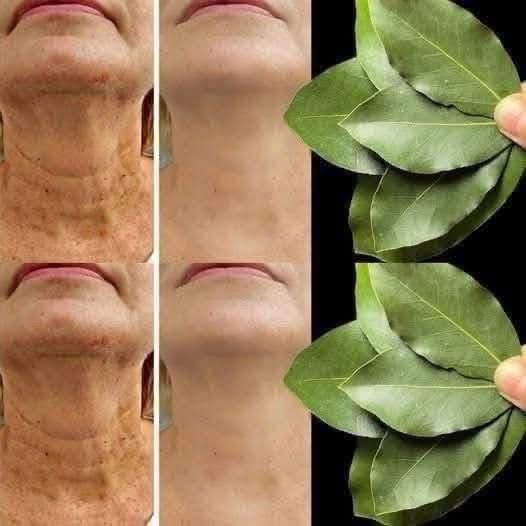
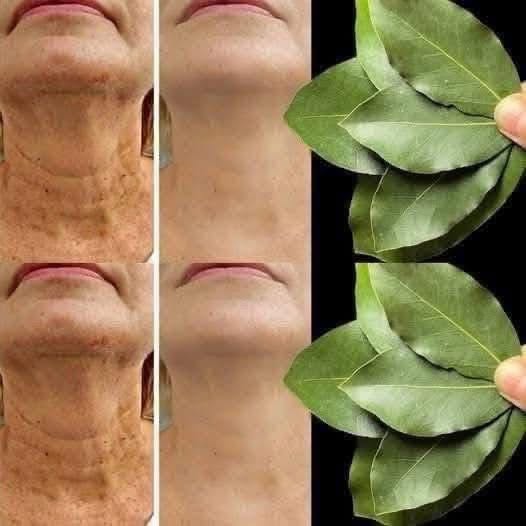
The posts often show dramatic before-and-after photographs of a woman’s neck or face, suggesting that a simple homemade bay leaf treatment can smooth wrinkles, remove dark spots, and restore youthful-looking skin.
It sounds almost too good to be true.
But is there any science behind this popular remedy?
Bay leaves contain several interesting plant compounds, including antioxidants. However, the claims made about their ability to erase wrinkles are far stronger than the available scientific evidence.
In this article, we’ll explore the potential skincare properties of bay leaves, how to prepare a gentle homemade bay leaf infusion, what it can realistically do for your skin, and which anti-aging treatments actually have scientific support.
What Are Bay Leaves?
Bay leaves come from the bay laurel tree, scientifically known as Laurus nobilis.
They are commonly used as a culinary herb to add flavor and aroma to soups, stews, sauces, and other dishes.
Bay leaves have also been used traditionally in herbal preparations.
Their distinctive fragrance comes from naturally occurring aromatic compounds.
Some of the substances found in bay leaves include:
- Polyphenols
- Flavonoids
- Phenolic acids
- Cineole and other aromatic compounds
- Various plant antioxidants
These substances have attracted scientific interest because some demonstrate antioxidant or antimicrobial activity in laboratory experiments.
However, laboratory findings do not automatically mean that applying bay leaves to human skin will produce visible anti-aging effects.
That distinction is essential when evaluating homemade beauty remedies.
Why Are Bay Leaves Becoming Popular for Wrinkles?
Natural skincare trends often become popular because they promise affordable alternatives to expensive cosmetic products.
Bay leaves are particularly appealing because they are inexpensive and readily available in many kitchens.
Online beauty posts sometimes claim that bay leaf water can:
- Reduce the appearance of fine lines
- Tighten loose skin
- Improve skin texture
- Lighten dark spots
- Reduce facial puffiness
- Restore a youthful glow
- Eliminate neck wrinkles
Unfortunately, these claims are not all supported by clinical research.
Although bay leaves contain biologically active compounds, there is currently insufficient high-quality human evidence demonstrating that homemade bay leaf water reverses wrinkles or tightens sagging skin.
That does not mean every traditional skincare practice is useless.
It means expectations should be realistic, and safety should come first.
What Actually Causes Wrinkles and Sagging Skin?
Before discussing bay leaves, it helps to understand why skin develops wrinkles.
Skin aging is a natural biological process influenced by genetics, environmental exposure, and lifestyle.
1. Collagen Loss
Collagen is a structural protein that helps maintain skin firmness.
As people age, collagen production gradually declines, and existing collagen undergoes structural changes.
This contributes to fine lines, wrinkles, and reduced elasticity.
2. Changes in Elastin
Elastin allows the skin to stretch and return toward its original shape.
Over time, damage and age-related changes can reduce the skin’s ability to rebound.
3. Sun Exposure
Ultraviolet radiation is one of the most important external causes of premature skin aging.
Repeated exposure can damage collagen, contribute to pigmentation changes, and accelerate wrinkle formation.
4. Reduced Skin Hydration
Dry skin can make fine lines appear more noticeable.
Moisturizers may temporarily improve their appearance by increasing hydration.
5. Natural Changes in Facial and Neck Structure
Aging also affects the distribution of fat, muscle, and supporting tissues beneath the skin.
These changes contribute to sagging and deeper folds.
6. Smoking and Other Lifestyle Factors
Smoking, poor sleep, and certain environmental exposures can contribute to premature skin aging.
Understanding these causes helps explain why a single herbal ingredient cannot realistically reverse every visible sign of aging.
The Potential Benefits of Bay Leaves for Skin
Bay leaves contain compounds that are scientifically interesting, but the evidence for direct cosmetic benefits remains limited.
Antioxidant Properties
Bay leaves contain plant compounds capable of demonstrating antioxidant activity under laboratory conditions.
Antioxidants help counter certain chemical reactions involving free radicals.
Oxidative stress contributes to biological aging, including changes in the skin.
However, applying a homemade bay leaf infusion has not been shown to deliver enough active compounds into the skin to meaningfully reverse established wrinkles.
Possible Anti-Inflammatory Activity
Some compounds extracted from bay leaves have shown anti-inflammatory effects in experimental settings.
But concentrated extracts used in research are not equivalent to water made by boiling leaves in a kitchen.
There is not enough clinical evidence to recommend bay leaf water as a treatment for inflammatory skin conditions.
Aromatic and Botanical Compounds
Bay leaves contain essential oil components responsible for their recognizable fragrance.
These compounds may have biological activity, but they can also irritate sensitive skin.
Natural fragrance ingredients are not automatically gentle.
Temporary Refreshing Effect
A cool, clean herbal infusion may feel refreshing when applied to intact skin.
But any temporary sensation of freshness should not be confused with collagen regeneration or permanent tightening.
How to Make a Simple Bay Leaf Water Preparation
If you enjoy experimenting with homemade skincare and your skin is not particularly sensitive, a mild bay leaf infusion is a more cautious option than applying concentrated essential oils.
This is a traditional cosmetic preparation, not a clinically proven anti-wrinkle treatment.
Ingredients
- 3 dried culinary bay leaves (Laurus nobilis)
- 1 cup (240 ml) of clean drinking water
- A clean, heat-resistant container
- A fine strainer
- A clean cotton pad, if desired
Preparation
- Bring one cup of water to a boil.
- Remove the water from the heat.
- Add three dried culinary bay leaves.
- Cover the container and allow the leaves to steep for approximately 10 minutes.
- Remove the leaves and strain the infusion.
- Let the liquid cool completely before it touches your skin.
The finished preparation will have a mild herbal aroma.
Do not add undiluted essential oils, lemon juice, baking soda, or other potentially irritating ingredients.
How to Apply It
First, perform a patch test on a small area of intact skin.
If no irritation develops over the next 24–48 hours, you may choose to try a small amount on an unaffected area of skin.
Avoid the eyes, lips, broken skin, and irritated areas.
Do not use the preparation if you have a known allergy to bay leaves or related ingredients.
Rinse it off if you experience burning, itching, or redness.
Because homemade water-based preparations lack preservatives, they can become contaminated with microorganisms.
The safest approach is to prepare only what you need and discard any leftover infusion rather than storing it for repeated use.
Do not expect this preparation to erase wrinkles, remove pigmentation, or tighten loose skin.
Can Bay Leaf Water Remove Deep Wrinkles?
There is no convincing clinical evidence that bay leaf water removes deep wrinkles.
Deep wrinkles develop through long-term changes in collagen, elastin, and underlying facial structures.
A simple herbal infusion cannot be assumed to reverse these processes.
Some skincare products temporarily make wrinkles less noticeable by improving hydration.
However, bay leaf water is not an established moisturizing treatment and may actually irritate or dry the skin in some individuals.
If reducing visible wrinkles is your goal, evidence-based skincare products are more reliable.
Can Bay Leaves Tighten Loose Neck Skin?
Neck wrinkles and sagging skin are common concerns.
The neck is particularly vulnerable to visible aging because its skin is relatively delicate and frequently exposed to sunlight.
Changes in collagen, elastin, skin thickness, and underlying tissues contribute to its appearance.
Social media images sometimes suggest that bay leaves can produce a dramatic transformation from heavily wrinkled skin to a smooth, firm neck.
Such dramatic results have not been demonstrated in controlled clinical studies of homemade bay leaf preparations.
A single before-and-after image cannot establish that a treatment worked.
Differences in lighting, camera angle, posture, editing, and skin hydration can dramatically alter how wrinkles appear.
Can Bay Leaves Remove Dark Spots?
Dark spots may develop from sun exposure, inflammation, hormonal changes, or certain medical conditions.
Common causes include:
- Sun spots
- Post-inflammatory hyperpigmentation
- Melasma
- Age-related pigmentation changes
Although some plant antioxidants are studied for their potential effects on pigmentation, there is insufficient evidence that bay leaf water safely and effectively removes dark spots.
For persistent pigmentation, daily sun protection and appropriately selected treatments are generally more useful.
A dermatologist can help identify the type of pigmentation and recommend suitable care.
What About Bay Leaf Essential Oil?
Bay leaf essential oil is much more concentrated than an infusion made from dried leaves.
It contains aromatic compounds that may irritate skin or trigger allergic reactions.
Undiluted essential oils should not be applied directly to the face or neck.
The fact that an ingredient comes from a plant does not guarantee safety.
For people with eczema, rosacea, allergies, or sensitive skin, fragranced botanical products may worsen irritation.
Pregnant or breastfeeding individuals should be especially cautious with concentrated herbal preparations and seek professional guidance before using them medicinally.
Who Should Avoid Homemade Bay Leaf Skincare?
Homemade bay leaf preparations may be unsuitable for people with:
- Known allergies to bay leaves
- Sensitive or reactive skin
- Active eczema
- Rosacea that reacts to fragranced products
- Open wounds or damaged skin
- Unexplained rashes
- Recent cosmetic procedures that leave skin sensitive
Stop using any homemade preparation immediately if irritation occurs.
If swelling, widespread hives, or breathing difficulties develop, seek urgent medical assistance.
7 Scientifically Supported Ways to Reduce the Appearance of Wrinkles
If your goal is healthier, smoother-looking skin, several approaches have stronger evidence than homemade herbal treatments.
1. Use Sunscreen Every Day
Daily sun protection is one of the most effective strategies for preventing premature skin aging.
Choose a broad-spectrum sunscreen with SPF 30 or higher.
Apply it to exposed areas, including the face, neck, ears, and hands.
Reapply when necessary, particularly during extended outdoor exposure.
2. Moisturize Regularly
Moisturizers help maintain the skin barrier and reduce water loss.
Well-hydrated skin often looks smoother, making some fine lines less noticeable.
Ingredients such as glycerin, hyaluronic acid, and ceramides can be helpful.
3. Consider Retinoids When Appropriate
Retinoids are vitamin A derivatives with evidence supporting improvements in fine lines and certain signs of photoaging.
However, they can cause irritation and are not appropriate for everyone.
Topical retinoids should be avoided during pregnancy.
Consult a healthcare professional before starting prescription treatments.
4. Try Vitamin C Skincare
Certain properly formulated vitamin C products may help address uneven pigmentation and support antioxidant protection.
Results vary depending on the formulation and consistency of use.
5. Protect Your Skin Barrier
Avoid harsh scrubbing, excessive exfoliation, and irritating homemade mixtures.
Gentle cleansing and consistent moisturizing are often more beneficial than complicated routines.
6. Maintain Healthy Lifestyle Habits
Adequate sleep, balanced nutrition, regular exercise, and avoiding smoking can support overall skin health.
No diet or supplement can completely stop natural aging, but healthy habits contribute to general well-being.
7. Consult a Dermatologist for Persistent Concerns
For deeper wrinkles or significant skin laxity, a dermatologist can discuss evidence-based options.
These may include prescription skincare, certain laser procedures, injectable treatments, or other interventions depending on individual needs.
No procedure is suitable for everyone, and benefits and risks should be reviewed carefully.
Frequently Asked Questions About Bay Leaves for Wrinkles
Do bay leaves really remove wrinkles?
There is currently insufficient scientific evidence showing that applying bay leaves or bay leaf water removes wrinkles.
Can bay leaf water make your face look younger?
A cool herbal preparation may feel refreshing, but there is no established evidence that it reverses skin aging.
How long does bay leaf water take to work?
No scientifically established treatment timeline exists because its anti-wrinkle effectiveness has not been demonstrated in human clinical trials.
Can I apply bay leaf water every day?
Daily use is not recommended as a proven skincare routine. Frequent exposure to aromatic plant compounds may irritate sensitive skin.
Does bay leaf water help with neck wrinkles?
There is no reliable evidence that it reduces neck wrinkles or reverses sagging.
Can bay leaves remove dark spots?
There is insufficient clinical evidence that homemade bay leaf preparations treat hyperpigmentation effectively.
Is bay leaf essential oil safe for the face?
Concentrated bay leaf essential oil can cause irritation or allergic reactions. It should not be applied undiluted.
Can I mix bay leaves with lemon juice?
This is not recommended. Lemon juice can irritate the skin and may contribute to pigmentation problems, particularly when combined with sun exposure.
Can I combine bay leaves with aloe vera?
Although aloe vera is commonly used in skincare, combining it with bay leaves does not create a clinically proven anti-aging treatment. Each ingredient may also cause individual reactions.
Can bay leaves replace anti-aging creams?
No. Homemade bay leaf water should not be considered equivalent to clinically studied skincare products.
What is the best affordable way to prevent premature wrinkles?
Consistent sunscreen use, gentle cleansing, and regular moisturizing are excellent starting points.
Are the viral before-and-after photographs real?
A photograph alone cannot establish whether a treatment produced the results shown. Lighting, editing, posture, and other factors can significantly affect skin appearance.
Final Thoughts: Are Bay Leaves Worth Trying for Younger-Looking Skin?
Bay leaves are fascinating culinary herbs containing several naturally occurring plant compounds.
Their antioxidant properties have attracted scientific interest, and their traditional uses have made them popular in homemade beauty recipes.
However, there is no convincing clinical evidence that bay leaf water erases wrinkles, lifts sagging neck skin, or reverses the aging process.
Homemade preparations also carry potential risks, including skin irritation and allergic reactions.
For anyone hoping to maintain healthier, smoother-looking skin, consistent sun protection, moisturizing, and evidence-based skincare are more dependable choices.
The dramatic transformations shown in viral photographs should be approached with caution.
The real secret to healthier-looking skin is not a miracle ingredient hiding in your kitchen—it’s understanding what your skin needs and caring for it consistently.
Disclaimer: This article is for educational purposes only and does not replace professional dermatological advice.