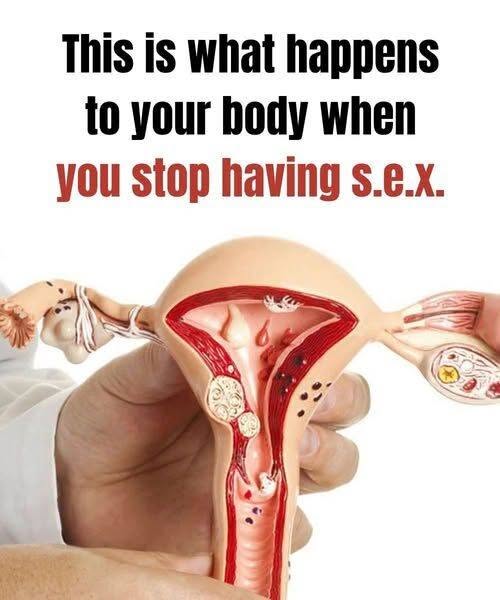
What happens to your body when you stop having sex for weeks, months, or even years? Does your body change? Can it affect your hormones, mood, vaginal health, or immune system?
These questions are more common than you might think.
Social media posts often suggest that stopping sexual activity can cause dramatic physical changes, especially in women. Some claim that the vagina becomes tighter, hormones become unbalanced, or the reproductive system stops functioning normally.
But how much of this is actually true?
The reality is far more interesting—and reassuring.
Not having sex is not inherently harmful to your health. Your body does not require sexual intercourse to remain healthy, and there is no medically recommended minimum frequency of sexual activity.
However, changes in sexual activity can sometimes influence your emotional well-being, sexual desire, comfort during intimacy, and relationship dynamics.
Let’s explore 11 things that may happen when you stop having sex, what science actually says, and which popular claims are myths.
1. Your Sexual Desire May Change
One of the first things some people notice after a long period without sexual activity is a change in libido.
Libido refers to your desire for sexual activity.
Interestingly, sexual desire does not respond to abstinence in the same way for everyone.
Some people experience less interest in sex over time, while others notice an increase in desire.
Why Might Desire Decrease?
Sexual desire is influenced by many factors, including:
- Stress and emotional well-being
- Hormonal changes
- Relationship satisfaction
- Sleep quality
- Medication
- Physical health
- Personal experiences and preferences
For some individuals, regular sexual activity encourages sexual thoughts and interest. When that activity stops, sexual desire may become less prominent.
But this is not a universal biological rule.
Can Desire Return?
Absolutely.
Sexual desire can fluctuate throughout life.
A period without sex does not permanently eliminate libido or prevent someone from enjoying intimacy in the future.
2. Your Mood Might Feel Different
Sexual activity can be associated with pleasurable sensations, relaxation, and emotional closeness.
During sexual arousal and orgasm, the body engages several neurological and hormonal processes involved in pleasure and bonding.
These include activity involving dopamine, oxytocin, and endogenous opioids.
For some people, sex is one way to reduce tension or feel connected to a partner.
When sexual activity stops, they may miss those experiences.
However, that does not mean abstinence causes depression or anxiety.
Does Not Having Sex Make You Depressed?
No direct cause-and-effect relationship has been established showing that abstinence itself causes depression.
Mental health is influenced by many interacting factors.
Someone who chooses not to have sex may feel completely content, while another person may feel frustrated or lonely if the absence of intimacy is unwanted.
The emotional meaning of the situation matters more than the number of days without sex.
Other Ways to Support Your Mood
Healthy mood-supporting activities include regular exercise, adequate sleep, supportive friendships, hobbies, relaxation techniques, and professional mental health care when needed.
Sex is not the only source of pleasure or emotional connection.
3. Your Body Does Not Stop Producing Sex Hormones
A popular internet claim suggests that stopping sexual activity causes estrogen or testosterone levels to collapse.
This is misleading.
Your body continues producing and regulating sex hormones regardless of whether you are sexually active.
Hormone levels are influenced by factors such as age, menstrual cycle, menopause, pregnancy, medications, and underlying health conditions.
Sexual activity can be associated with temporary hormonal fluctuations, but abstinence does not automatically create a hormonal deficiency.
What About Women?
Women continue to produce estrogen and other reproductive hormones whether or not they have sex.
Their menstrual cycles do not depend on intercourse.
What About Men?
Men continue producing testosterone and sperm even during prolonged periods without sexual activity.
The reproductive system does not simply shut down because a person is abstinent.
4. Your Vagina Does Not Permanently Become Tighter
This is one of the most persistent myths about female sexual health.
Some online posts claim that a woman who stops having sex will develop a tighter or smaller vagina.
That is not how vaginal anatomy works.
The vagina is a muscular, elastic canal designed to accommodate changes during arousal, intercourse, childbirth, and other normal bodily processes.
It does not permanently close or become tighter simply because someone has not had intercourse.
Why Might Sex Feel Different After a Long Break?
If intercourse feels uncomfortable after a period of abstinence, possible explanations include:
- Insufficient arousal
- Vaginal dryness
- Anxiety or anticipation of pain
- Pelvic floor muscle tension
- Hormonal changes
- An underlying vaginal or pelvic condition
These factors are not proof that the vagina has physically shrunk because of abstinence.
Taking time for arousal, using an appropriate lubricant, and communicating with a partner can improve comfort.
Persistent pain deserves medical evaluation.
5. Vaginal Dryness May Become More Noticeable in Some Women
Vaginal lubrication is influenced by arousal, hormones, medications, and general health.
Not having sex does not automatically cause vaginal dryness.
However, some women may notice dryness or discomfort when they resume intercourse, especially if they are experiencing hormonal changes.
Menopause Makes a Difference
During perimenopause and menopause, declining estrogen levels can affect vaginal tissues.
The vaginal lining may become thinner, less elastic, and more vulnerable to irritation.
This is associated with a condition called genitourinary syndrome of menopause.
Its symptoms can include:
- Vaginal dryness
- Burning or irritation
- Pain during penetration
- Urinary discomfort
- Recurrent urinary symptoms
These changes are primarily related to hormonal changes, not simply the absence of sex.
Can It Be Treated?
Yes.
Depending on the cause, treatment may include vaginal moisturizers, lubricants, pelvic floor therapy, or clinician-prescribed hormonal treatments.
Women should not assume that discomfort is something they must tolerate.
6. Your Immune System Does Not Become Weak Because You Stop Having Sex
You may have seen headlines claiming that people who have sex frequently have stronger immune systems.
Some small observational studies have explored relationships between sexual frequency and certain immune markers.
But these findings do not establish that sex directly prevents infections or that abstinence weakens immunity.
The immune system is much more complex.
Its function depends on numerous factors, including:
- Nutrition
- Sleep
- Vaccination
- Chronic health conditions
- Age
- Stress
- Medications
- Physical activity
There is no reliable evidence that avoiding sex causes your immune system to stop functioning properly.
In fact, abstaining from sexual contact can reduce exposure to sexually transmitted infections.
7. Your Stress Levels May Change
Sexual activity can help some people relax.
Pleasurable physical contact and orgasm may be associated with temporary reductions in tension and changes in the body’s stress response.
But whether stopping sex increases stress depends on the individual.
For someone who enjoys sex and misses it, abstinence may feel frustrating.
For someone who previously experienced pressure, discomfort, or relationship conflict around sex, taking a break may actually reduce stress.
Is Sex Necessary for Stress Relief?
No.
Exercise, mindfulness, supportive relationships, enjoyable activities, and healthy sleep routines can also help manage stress.
There is no single activity that everyone must perform to maintain emotional balance.
8. Your Sleep Patterns Might Change
Some people feel sleepy or relaxed after sexual activity or orgasm.
This may relate to relaxation, emotional comfort, and changes in neurochemical activity.
If someone regularly used intimacy as part of a bedtime routine, they might notice a difference when that routine changes.
However, there is no strong evidence that stopping sex automatically causes insomnia.
Sleep quality is influenced by many factors, including stress, caffeine, sleep schedules, medications, and medical conditions.
What Helps You Sleep Better?
Consider maintaining consistent sleep and wake times, limiting caffeine late in the day, keeping your bedroom comfortable, and avoiding excessive screen use before bedtime.
If insomnia persists, a healthcare professional can help identify possible causes.
9. Your Pelvic Floor Muscles Do Not Automatically Become Weak
The pelvic floor is a group of muscles that supports organs such as the bladder, uterus, and rectum.
These muscles play an important role in urinary control, bowel function, and sexual health.
Some viral articles claim that stopping sex makes the pelvic floor weak.
That is an oversimplification.
Pelvic floor function depends on factors including pregnancy, childbirth, aging, surgery, chronic straining, and muscle coordination.
Regular sexual activity is not a requirement for maintaining pelvic floor health.
How Can You Support Your Pelvic Floor?
Pelvic floor exercises may be helpful for some people, particularly when prescribed or guided by a qualified professional.
However, not everyone needs strengthening exercises.
People with pelvic pain or excessively tense pelvic floor muscles may benefit more from relaxation and specialized physical therapy.
If you experience urinary leakage, pelvic pressure, or pain during intercourse, seek appropriate medical advice.
10. Your Risk of Sexually Transmitted Infections May Decrease
One clear physical effect of stopping sexual contact is a reduction in exposure to sexually transmitted infections.
STIs can spread through vaginal, anal, and oral sex, as well as certain forms of skin-to-skin sexual contact.
Avoiding these exposures prevents new infections from those activities during the period of abstinence.
However, previous infections can remain present even when a person is no longer sexually active.
Some STIs produce few or no symptoms.
Does Abstinence Eliminate Every Sexual Health Risk?
Not necessarily.
A person who has had previous sexual contact may still need appropriate STI screening.
Routine cervical cancer screening also remains important for eligible individuals, even if they are not currently sexually active.
Medical recommendations depend on age, health history, and local screening guidelines.
11. Your Body Can Resume Sexual Activity After a Long Break
Perhaps the most important thing to understand is that a long period without sex does not make someone permanently incapable of enjoying sexual activity.
People may go months or years without intercourse for many reasons:
- Personal choice
- Religious or cultural values
- Relationship changes
- Pregnancy or postpartum recovery
- Medical treatment
- Emotional recovery
- Long-distance relationships
- Lack of interest or opportunity
There is no universal deadline after which the body loses its ability to engage in sex.
When someone decides to resume sexual activity, comfort may depend on arousal, communication, lubrication, physical health, and emotional readiness.
What If Intercourse Is Painful?
Pain should not be ignored or treated as something normal that must be endured.
Possible causes include vaginal dryness, infections, pelvic floor dysfunction, vulvar pain conditions, and hormonal changes.
A healthcare professional can help identify the cause and recommend appropriate treatment.
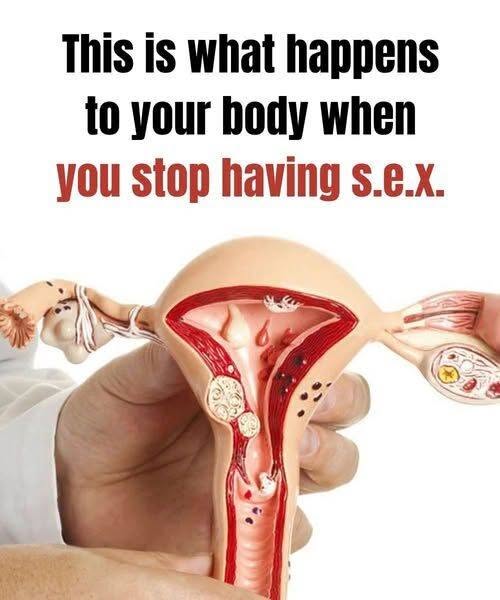
What Happens to Your Uterus When You Stop Having Sex?
The uterus is a muscular reproductive organ involved in menstruation and pregnancy.
It does not need sexual intercourse to remain healthy.
Stopping sex does not cause the uterus to shrink, fill with toxins, or stop functioning.
In people who menstruate, the menstrual cycle continues to be regulated by hormonal signals between the brain and ovaries.
Changes in periods may occur for many reasons, including stress, pregnancy, thyroid conditions, menopause, or other medical factors.
They should not automatically be blamed on sexual abstinence.
Can Not Having Sex Cause Infertility?
No.
Abstinence does not directly cause infertility.
Fertility depends on factors such as ovulation, sperm health, reproductive anatomy, age, and underlying medical conditions.
Someone who has not had sex for years may still be able to conceive when they resume sexual activity.
However, fertility naturally changes with age, particularly for women.
A person who experiences difficulty conceiving should seek medical advice rather than assuming the problem was caused by abstinence.
Does Your Body Need Sex to Stay Healthy?
This question deserves a clear answer.
No. Sex is not a biological requirement for individual survival or good health.
Sexual activity can be enjoyable and meaningful, and it may contribute to well-being for people who desire it.
But a person can live a healthy, fulfilling life without sexual intercourse.
The most important considerations are consent, comfort, personal preferences, emotional well-being, and overall health.
People should never feel pressured into sexual activity because of frightening claims about what might happen to their bodies.
What Happens If You Stop Having Sex for Different Periods?
| Time without sex | What may happen |
|---|---|
| One week | Usually no significant physical change |
| One month | Sexual desire or mood may fluctuate |
| Three months | No expected damage to reproductive organs |
| Six months | Sexual interest may increase, decrease, or stay the same |
| One year | Hormonal and reproductive functions generally continue normally |
| Several years | Sexual activity can still be resumed; comfort depends on individual health factors |
These are general observations, not a predictable medical timeline.
There is no scientific countdown showing that the body becomes unhealthy after a particular number of days without sex.
Common Myths About Not Having Sex
Myth 1: Your Vagina Closes If You Stop Having Sex
False. The vagina does not close because of abstinence.
Myth 2: Your Uterus Becomes Unhealthy
False. The uterus continues functioning independently of sexual activity.
Myth 3: You Automatically Develop Hormonal Problems
False. Abstinence does not inherently cause hormonal imbalance.
Myth 4: Your Immune System Becomes Weak
There is no convincing evidence that abstinence itself weakens the immune system.
Myth 5: You Become Infertile
False. Not having sex does not directly cause infertility.
Myth 6: You Will Definitely Become Depressed
False. Emotional responses vary, and abstinence does not inevitably cause depression.
Myth 7: Your Body Forgets How to Have Sex
False. Sexual comfort and confidence can change, but abstinence does not erase the body’s sexual functions.
When Should You See a Doctor?
Not having sex is not a medical problem.
However, certain symptoms deserve attention whether or not you are sexually active.
Consider seeking medical advice if you experience:
- Persistent pelvic or vaginal pain
- Unexplained vaginal bleeding
- Significant vaginal dryness or irritation
- Sudden changes in menstrual patterns
- Painful intercourse
- New urinary symptoms
- Distressing changes in sexual desire
- Persistent anxiety or depression
A clinician can help distinguish normal variations from conditions that require treatment.
Frequently Asked Questions
Is it unhealthy for a woman to go without sex for years?
No. A woman can remain healthy without sexual intercourse for years or longer.
Does your vagina become smaller when you stop having sex?
Not simply because of abstinence. Vaginal tissue changes can occur with menopause and certain medical conditions, but these are different processes.
Can stopping sex cause weight gain?
There is no established direct relationship between abstinence and weight gain. Weight is influenced by many factors, including nutrition, activity, sleep, medications, and health conditions.
Does not having sex cause acne?
There is no good evidence that abstinence directly causes acne.
Can abstinence affect your period?
Abstinence itself does not normally disrupt the menstrual cycle. Changes in periods should be evaluated according to their actual causes.
Does not having sex increase blood pressure?
There is no convincing evidence that abstinence directly causes high blood pressure.
Does the body still produce reproductive hormones?
Yes. Hormone production continues regardless of whether someone is sexually active.
Can you have a healthy relationship without sex?
Yes. Healthy relationships take many forms. Emotional intimacy, trust, communication, and mutual respect are important, and partners may have different preferences regarding sexual activity.
Is it normal to have no interest in sex?
Yes. Sexual desire varies widely. Some people naturally experience little or no sexual attraction or desire. Medical advice may be helpful when a change is sudden, distressing, or accompanied by other symptoms.
Can you resume sex after menopause?
Yes. Many people remain sexually active after menopause. Dryness or discomfort can often be addressed with appropriate care.
What is the biggest misconception about stopping sex?
The biggest misconception is that the body becomes damaged or unhealthy simply because sexual activity stops.
In reality, abstinence is not inherently dangerous. Sexual health depends on a combination of physical, hormonal, psychological, and relationship factors.
For women approaching or experiencing menopause, regular sexual stimulation may help maintain vaginal blood flow and tissue flexibility, but it is not the only way to support vaginal health. Effective treatments are available for dryness and discomfort.
No one should feel obligated to have sex to prevent imagined health consequences.
Final Thoughts: What Really Happens When You Stop Having Sex?
Stopping sexual activity may influence desire, emotional well-being, and how someone experiences intimacy.
But it does not automatically cause hormonal imbalance, infertility, a weakened immune system, or damage to the uterus.
Some people experience changes in mood or sexual interest, while others notice no significant difference.
For women, hormonal changes associated with menopause, breastfeeding, and certain medical treatments are often more important than sexual frequency when explaining vaginal dryness or discomfort.
The most important takeaway is simple: Your body does not become unhealthy just because you are not having sex.
Sexual activity should always be a personal, consensual choice—not something driven by fear or misleading health claims.
Understanding the facts helps you make decisions that support your comfort, confidence, and overall well-being.
Have you ever heard someone claim that going without sex is harmful to your body? Now you know what science actually says.