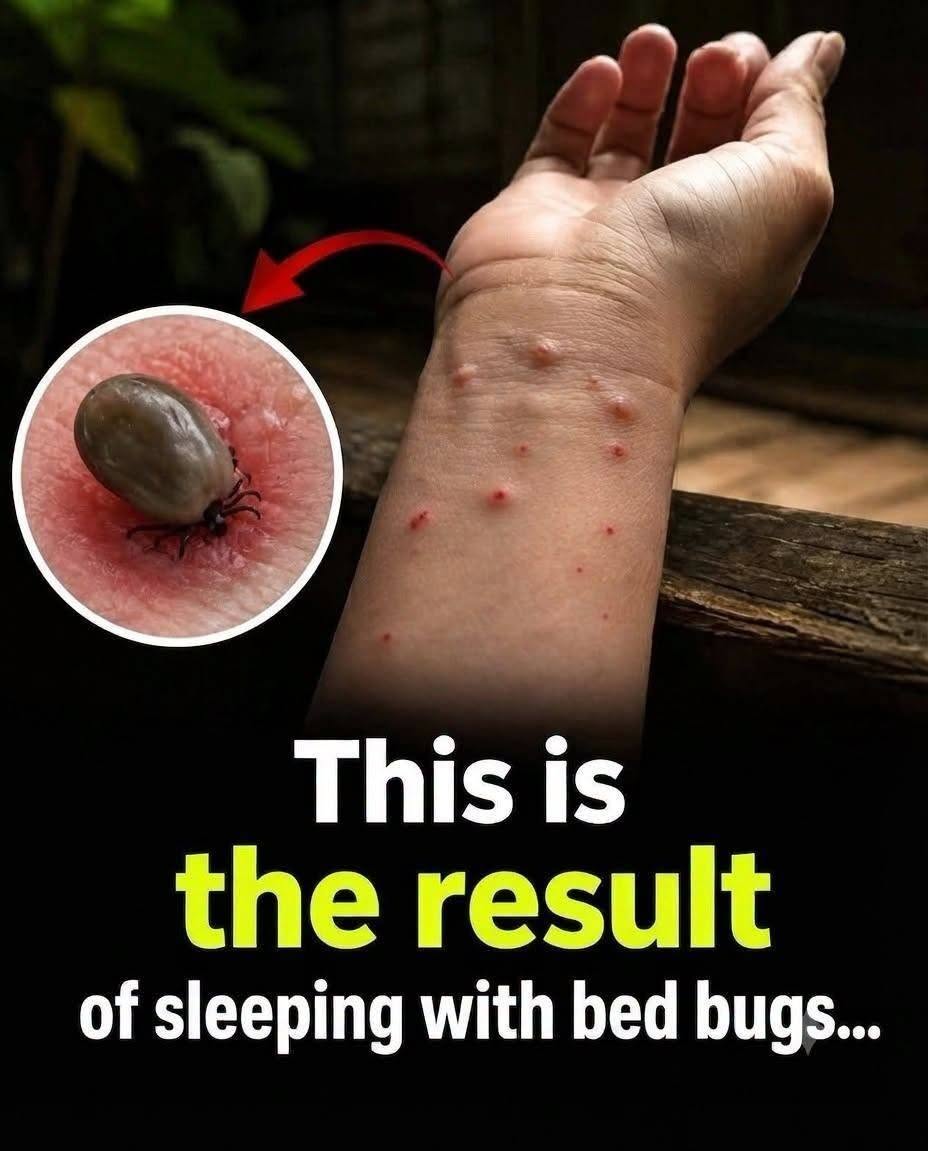
Waking up with small, red, itchy bumps on your arms, legs, neck, or other exposed areas can be alarming. If the marks seem to appear mainly after sleeping, you may immediately wonder whether something is hiding in your bed.
One possibility is bed bugs.
Bed bugs are small, flat insects that feed on blood, usually while people are sleeping. They can be extremely difficult to spot because they hide in tiny cracks, mattress seams, bed frames, and furniture during the day.
But there is one important thing to understand before assuming that every mysterious rash is caused by bed bugs:
Bite marks alone cannot reliably confirm a bed bug infestation.
Mosquitoes, fleas, allergic reactions, hives, contact dermatitis, and several other skin conditions can produce marks that look surprisingly similar.
So what actually happens when bed bugs are present, and what should you look for?
What Are Bed Bugs?
Bed bugs are tiny, wingless insects that feed on the blood of humans and other warm-blooded animals.
Adult bed bugs are usually:
- Flat and oval-shaped
- Reddish-brown
- Small enough to hide in narrow cracks
- More swollen after feeding
They don’t fly or jump.
Instead, they crawl and are extremely good at hiding.
Their small, flat bodies allow them to disappear into spaces that can be surprisingly difficult to inspect.
Why Are They Called Bed Bugs?
The name doesn’t mean they live exclusively inside mattresses.
Bed bugs prefer to remain relatively close to places where people spend long periods resting.
That commonly means the bedroom.
They may hide in:
Mattress seams
Box springs
Bed frames
Headboards
Cracks in furniture
Behind baseboards
Inside upholstered furniture
Between couch cushions
Behind loose wallpaper
As an infestation becomes larger, insects may spread farther from the bed.
What Happens When a Bed Bug Bites You?
Bed bugs generally feed while a person is resting or sleeping.
Many people don’t feel the bite while it happens.
The insect introduces substances while feeding that can reduce immediate sensation and help blood continue flowing.
The skin reaction may therefore become noticeable later rather than immediately.
For some people, marks may not become obvious until hours or even days afterward.
What Do Bed Bug Bites Look Like?
This is where things become complicated.
There is no single appearance that proves a bump came from a bed bug.
Possible reactions include:
- Small red bumps
- Raised itchy welts
- Slight swelling
- Clusters of bumps
- Marks appearing roughly in a line
- Scattered individual bumps
Some people experience considerable itching.
Others experience very little.
And remarkably, some people can be bitten without developing obvious visible marks at all.
Why Do Some People Have a Stronger Reaction?
Everyone’s immune system responds differently.
Two people could potentially sleep in the same infested room and have completely different experiences.
One person might develop numerous itchy red bumps.
The other person may show almost nothing.
This means:
“My partner isn’t getting bitten, so we can’t have bed bugs”
isn’t necessarily a reliable conclusion.
The other person may simply react differently.
Do Bed Bug Bites Always Appear in a Straight Line?
No.
You’ve probably seen photographs showing several bites arranged in a row.
That pattern can occur, but it isn’t guaranteed.
Bed bug bites may appear:
In lines
In groups
In clusters
or
Individually
And because many other conditions can produce similar-looking marks, the pattern alone shouldn’t be used to diagnose an infestation.
Where Do Bed Bug Bites Usually Appear?
Bed bugs may bite exposed areas of skin while a person sleeps.
Commonly noticed areas include:
- Arms
- Hands
- Legs
- Feet
- Neck
- Face
But bites can occur elsewhere.
The location of the marks doesn’t confirm their cause.
Are Bed Bug Bites Dangerous?
For most people, bed bug bites are uncomfortable rather than medically dangerous.
The most common consequences include:
Itching
Skin irritation
Redness
Sleep disruption
Some people may experience a stronger allergic reaction.
Severe allergic reactions are uncommon but possible.
Can Scratching Make Things Worse?
Yes.
This is one of the more important consequences of bed bug bites.
Intense itching can make it extremely tempting to scratch repeatedly.
But aggressive scratching can damage the skin.
Once the protective skin barrier has been broken, bacteria may enter and cause a secondary infection.
Watch for signs such as:
- Increasing redness
- Warmth
- Pain
- Swelling
- Pus
- Worsening tenderness
If you suspect that the skin has become infected, seek medical advice.
Do Bed Bugs Spread Diseases?
Despite feeding on blood, bed bugs are not currently known to spread diseases to humans.
That’s reassuring, but it doesn’t mean an infestation should be ignored.
Bed bugs can still cause considerable discomfort.
They may contribute to:
Itching
Skin irritation
Secondary infection from scratching
Loss of sleep
Stress
Anxiety
For someone dealing with a large infestation, the psychological effects can sometimes become just as frustrating as the bites themselves.
Bed Bugs Can Seriously Disrupt Sleep
Imagine knowing that insects may emerge after you fall asleep.
It’s easy to understand why people become anxious.
Someone dealing with bed bugs may:
Wake repeatedly during the night.
Constantly inspect their sheets.
Feel imaginary crawling sensations.
Become afraid to sleep in their own bed.
Lose significant amounts of sleep.
Even after an infestation has been treated, anxiety may persist for some time.
That’s another reason early identification and proper treatment are important.
Does Having Bed Bugs Mean Your House Is Dirty?
Absolutely not.
This is one of the biggest myths surrounding bed bugs.
Bed bugs aren’t proof of poor hygiene.
They can appear in:
- Very clean homes
- Apartments
- Hotels
- Dormitories
- Shelters
- Hospitals
- Public accommodations
Bed bugs are primarily interested in finding a host—not judging how clean the room is.
However, excessive clutter can give them more places to hide and can make treatment more difficult.
How Do Bed Bugs Enter a Home?
Bed bugs are excellent hitchhikers.
They can accidentally travel from one place to another inside:
Suitcases
Backpacks
Clothing
Bedding
Furniture
Boxes
Secondhand items
You might stay somewhere with bed bugs without realizing it and unknowingly carry one home in your luggage.
Used furniture is another potential route.
This doesn’t mean you should avoid secondhand furniture entirely, but upholstered items should be carefully inspected before being brought indoors.
How Can You Tell If You Actually Have Bed Bugs?
Instead of focusing only on your skin, inspect the environment.
Physical evidence is much more useful than bite marks alone.
Here are several things worth checking.
1. Live Bed Bugs
Finding and correctly identifying an actual insect provides much stronger evidence than looking at a rash.
Inspect mattress seams, folds, labels, and hidden areas.
2. Dark Spots
Bed bug waste can leave small dark marks.
These may appear around:
- Mattress seams
- Bed frames
- Headboards
- Nearby furniture
One dark spot doesn’t automatically mean bed bugs, but multiple signs together can strengthen suspicion.
3. Rusty or Reddish Stains
Small reddish or rusty stains can sometimes appear on bedding or mattresses.
They may result from bed bugs being crushed after feeding.
Again, don’t diagnose an infestation from a single stain.
Look for multiple types of evidence.
4. Shed Skins
Young bed bugs shed their outer covering as they grow.
These pale, empty skins may remain in hiding areas.
Finding shed skins alongside other evidence can be an important clue.
5. Tiny Eggs
Bed bug eggs are extremely small and pale.
They can be hidden inside tiny cracks and crevices, making them difficult to detect without careful inspection.
Where Should You Inspect First?
Start close to where you sleep.
Carefully examine:
Mattress seams and piping
Pull the sheets back and inspect every edge.
Box spring
Look underneath and around folds.
Headboard
Pay particular attention to joints, screw holes, and cracks.
Bed frame
Check narrow spaces where pieces connect.
Nightstands
Inspect drawers and joints.
Upholstered furniture
Check seams and underneath cushions.
If an infestation is larger, insects may be found farther from the bed.
Don’t Immediately Throw Away Your Mattress
Discovering bed bugs can trigger panic.
A common first reaction is:
“Throw the mattress away immediately!”
But replacing the mattress doesn’t necessarily solve the problem.
Bed bugs may also be hiding in:
The bed frame
Headboard
Baseboards
Furniture
Nearby cracks
You could buy an expensive new mattress only to have bed bugs move onto it.
Some mattresses can be treated and protected using appropriately designed encasements.
Heat Can Be Extremely Useful 🔥
Heat is one of the tools used in bed bug management.
For washable clothing and bedding, drying appropriate items at high heat can kill bed bugs when done correctly.
However, simply washing items isn’t always enough.
And attempting to heat an entire room yourself with household heaters or turning the thermostat extremely high can be ineffective and dangerous.
Professional whole-room heat treatments require specialized equipment and careful temperature monitoring.
Vacuuming Can Help
Vacuuming can physically remove some bed bugs and debris.
Pay particular attention to:
- Mattress seams
- Bed frames
- Carpets
- Baseboards
- Upholstered furniture
- Cracks around the sleeping area
After vacuuming, handle the vacuum contents carefully.
Seal and dispose of the collected material so surviving insects don’t escape back into the home.
Vacuuming can reduce the number of insects, but it usually shouldn’t be considered a complete treatment by itself.
Mattress Encasements Can Be Useful
Special bed bug-resistant mattress and box-spring encasements can reduce hiding places and make monitoring easier.
These aren’t simply ordinary mattress protectors.
They should be specifically designed for bed bug management and should remain intact without tears or openings.
Be Extremely Careful With Pesticides ⚠️
Discovering bed bugs can make people desperate.
Unfortunately, desperation sometimes leads to dangerous decisions.
Never randomly spray large quantities of pesticides around a bedroom.
And never use outdoor pesticides indoors.
Products should only be used where their instructions specifically allow them to be used.
More pesticide does not necessarily mean better bed bug control.
It can simply mean greater exposure for you, your family, and your pets.
Don’t Mix Household Chemicals
Trying to create a powerful homemade insecticide by combining cleaning products is dangerous.
Never randomly mix:
Bleach
Vinegar
Ammonia
Insecticides
or other household chemicals.
Certain combinations can release dangerous gases or cause chemical injuries.
Bed bug treatment should never create a bigger health risk than the infestation itself.
What About “Bug Bombs”?
Foggers and so-called bug bombs aren’t a reliable standalone solution for bed bugs.
Bed bugs hide inside extremely narrow cracks and crevices.
The pesticide may not adequately reach those locations.
Improper use of foggers can also create additional health and fire risks.
A comprehensive treatment strategy is usually more effective.
Professional Treatment May Be the Best Option
Bed bugs are notoriously difficult to eliminate.
If you confirm an infestation, an experienced pest-control professional can inspect the property and determine an appropriate strategy.
Successful treatment may involve several methods rather than one miracle product.
Depending on the situation, these can include:
- Detailed inspection
- Heat treatment
- Vacuuming
- Mattress encasements
- Monitoring devices
- Targeted pesticide treatment
- Follow-up inspections
Multiple treatments may sometimes be necessary because hidden eggs or insects can survive an incomplete treatment.
What Should You Do About the Bites?
Most uncomplicated bed bug bites improve without major medical treatment.
The main goal is to reduce itching and avoid damaging the skin.
Try to:
Keep the area clean.
Avoid scratching.
Avoid breaking the skin.
If itching is significant, a pharmacist or healthcare professional can advise you about an appropriate anti-itch treatment.
When Should You See a Doctor?
Seek medical advice if you develop:
- Severe swelling
- Extensive skin reactions
- Blistering
- Increasing pain
- Signs of infection
- Persistent or worsening symptoms
A severe allergic reaction requires urgent medical attention.
Symptoms such as difficulty breathing or significant swelling of the face, lips, tongue, or throat should be treated as an emergency.
Could Those Bumps Be Something Else?
Absolutely.
This is particularly important when looking at viral photographs.
A photograph showing multiple red bumps cannot prove that bed bugs caused them.
Similar-looking skin reactions can potentially result from:
Mosquitoes
Fleas
Other insects
Hives
Contact dermatitis
Allergic reactions
Other skin conditions
That’s why inspecting the environment is so important.
Don’t diagnose bed bugs solely by comparing your skin to a picture online.
How to Reduce Your Risk When Traveling ✈️
Because bed bugs can travel in luggage, travelers can take some simple precautions.
When arriving at accommodation, consider briefly inspecting:
Mattress seams
Headboard
Bed frame
Luggage rack
Avoid immediately spreading your clothes across the bed.
After returning home, inspect your luggage.
Clothing that can safely tolerate appropriate dryer temperatures can be heat-dried according to its care instructions.
Be Careful With Secondhand Furniture
Secondhand furniture can save money, but upholstered items deserve careful inspection.
Before bringing a used:
Mattress
Sofa
Armchair
Bed frame
or other bedroom furniture into your home, check it carefully for signs of bed bugs.
Pay particular attention to seams, cracks, folds, and hidden areas.
Five Signs Worth Checking Tonight
If you keep waking up with unexplained itchy bumps, look for more than the bites.
1. Unexplained marks repeatedly appearing after sleep
This can raise suspicion but doesn’t confirm bed bugs.
2. Dark spots around mattress seams
Inspect them carefully.
3. Rusty or reddish stains on bedding
These can sometimes occur when bed bugs are present.
4. Shed skins or tiny eggs
Look inside seams and cracks.
5. Actual insects
Finding and correctly identifying the insect is much stronger evidence than relying on skin marks.
The Viral Image Doesn’t Tell the Whole Story
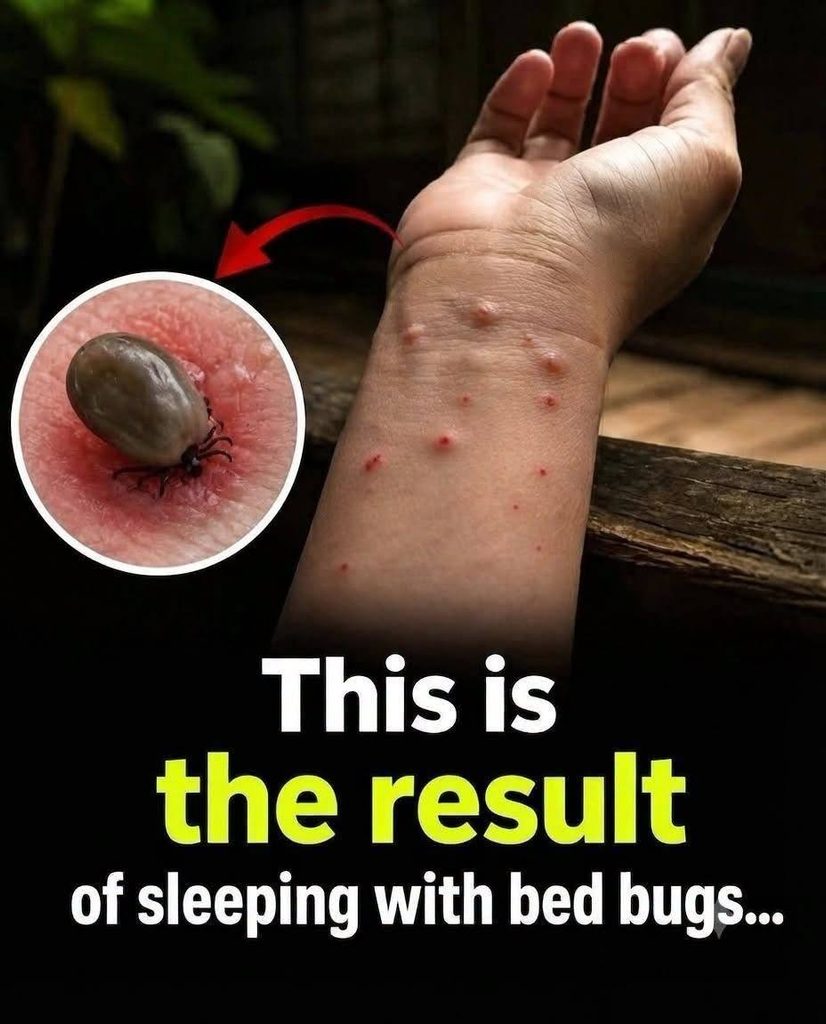
Images showing dramatic red bumps beside an enlarged photograph of a bed bug can make it seem as though there’s a single unmistakable “bed bug rash.”
There isn’t.
People react differently, and several unrelated conditions can produce similar marks.
So if you wake up with mysterious bumps, don’t panic.
Instead:
Inspect your sleeping area carefully.
Look for physical evidence.
Avoid scratching the skin.
Don’t spray random chemicals around your bedroom.
Seek professional pest-control help if an infestation is confirmed or strongly suspected.
And consult a healthcare professional if your skin reaction is severe, infected, persistent, or otherwise concerning.
The Bottom Line 🛏️🐞
Bed bugs are small insects that typically feed while people sleep, and their bites can cause itching, redness, irritation, and sometimes stronger allergic reactions.
Repeated scratching can damage the skin and potentially lead to secondary infection.
The reassuring part is that bed bugs are not known to transmit diseases to humans.
But they can still seriously disrupt sleep and quality of life.
Most importantly, don’t diagnose bed bugs from bites alone.
Check your mattress seams, bed frame, headboard, furniture, and nearby cracks for physical evidence such as live insects, shed skins, tiny eggs, or characteristic spotting.
If you confirm an infestation, act early.
Because when it comes to bed bugs, the marks on your skin may be the first thing you notice—but the real evidence is often hiding somewhere around your bed.