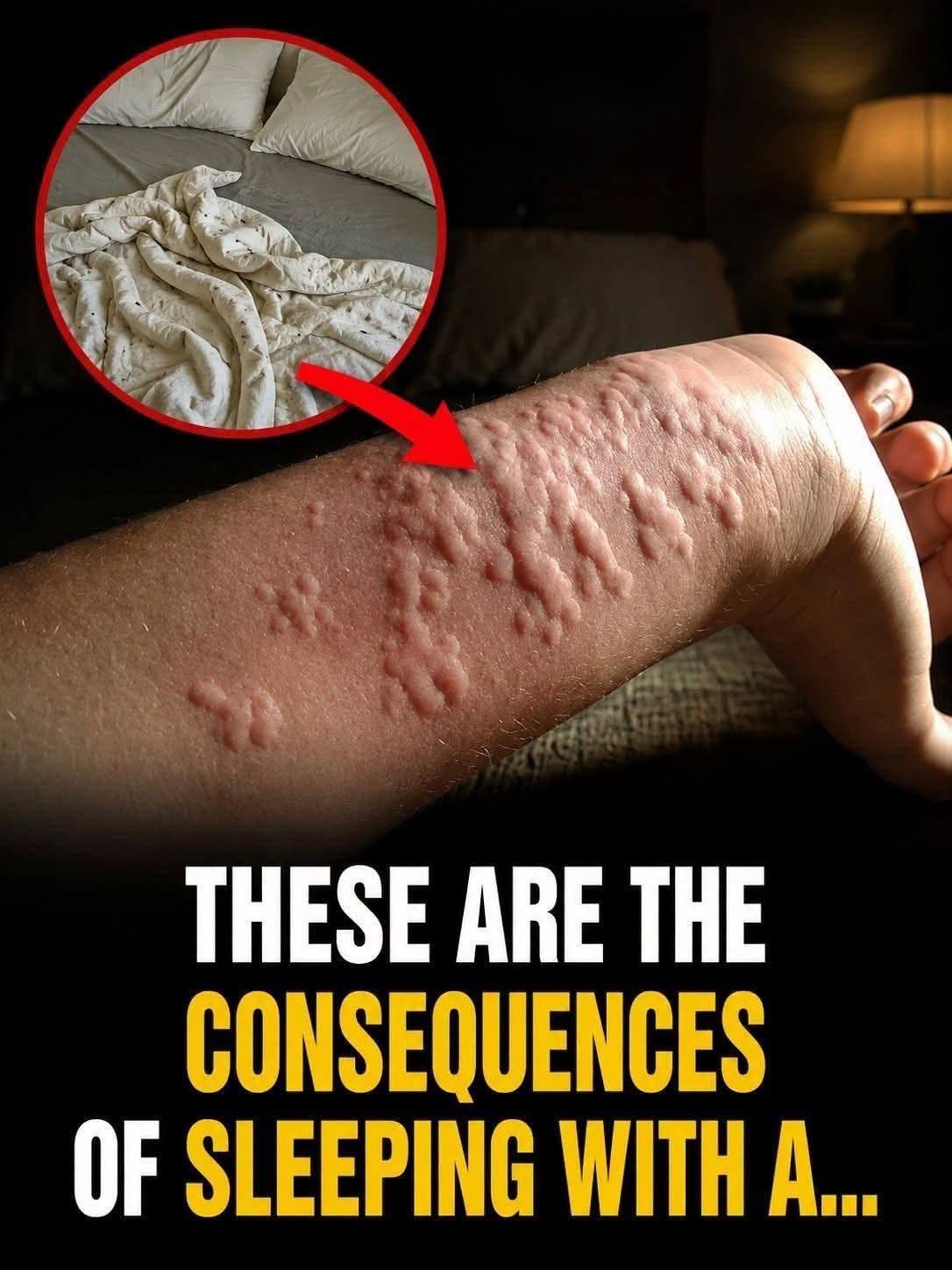
Imagine going to bed feeling perfectly fine, then waking up the next morning with small, itchy red bumps on your arms, legs, neck, or other exposed areas.
At first, you might blame mosquitoes, an allergic reaction, or something you ate. But when new marks continue appearing after you sleep, another possibility may need to be considered:
Bed bugs.
Bed bugs are small insects that hide near sleeping areas and feed on blood, usually at night. Their bites can cause itching, irritation, and sleep disruption, although reactions vary greatly from person to person.
The good news is that bed bugs aren’t known to spread diseases to humans. But an infestation can still become extremely frustrating if it isn’t identified and handled correctly.
What Are Bed Bugs?
Bed bugs are small, flat, wingless insects.
Adult bed bugs are generally reddish-brown and roughly comparable in size to an apple seed. Younger bed bugs are much smaller and can be harder to spot.
Their flat bodies allow them to hide in extremely narrow spaces during the day.
At night, they may emerge from their hiding places to feed.
And despite their name, they don’t necessarily live only inside mattresses.
Where Do Bed Bugs Hide?
Bed bugs prefer locations close to where people regularly sleep or rest.
Common hiding places include:
- Mattress seams
- Box springs
- Bed frames
- Headboards
- Cracks in furniture
- Behind loose wallpaper
- Between cushions
- Upholstered furniture
- Curtains
- Small cracks near the bed
As an infestation grows, they may spread farther away from the sleeping area.
This is why simply changing your sheets usually doesn’t solve the problem.
What Do Bed Bug Bites Look Like?
There is no single appearance that confirms a bed bug bite.
Some people develop small, red, itchy bumps.
Others may develop larger swollen areas.
The bites may appear:
In clusters
In rough lines
Close together
Randomly distributed
And some people may show almost no visible reaction at all.
This is one reason diagnosing bed bugs from bites alone can be difficult.
Why Do They Often Bite Exposed Skin?
Bed bugs usually feed while a person is sleeping.
Areas that aren’t covered by clothing or bedding may therefore be easier to reach.
Bites are often noticed on areas such as:
- Arms
- Hands
- Face
- Neck
- Legs
However, marks can occur elsewhere too.
The location alone doesn’t prove that bed bugs are responsible.
Why Don’t You Feel Them Biting?
Many people don’t wake up while a bed bug is feeding.
The insects introduce substances during feeding that can make the bite difficult to notice immediately.
The skin reaction may appear later.
That means you could go to bed without any marks and notice itchy bumps hours or even days afterward.
Not Everyone Reacts the Same Way
This is particularly important.
Two people can sleep in the same infested room and have completely different reactions.
One person might wake up covered in itchy welts.
The other may have almost no visible marks.
So if one partner is getting bitten while another doesn’t appear to be, that doesn’t automatically rule out bed bugs.
Are Bed Bug Bites Dangerous?
For most people, bed bug bites are more irritating than dangerous.
The most common problems include:
Itching
Redness
Skin irritation
Difficulty sleeping
However, some people can experience stronger allergic reactions.
Severe allergic reactions are uncommon, but they can occur.
Scratching Can Create Another Problem
The itching can be intense.
But repeatedly scratching the bites can damage the skin.
Once the skin barrier is broken, bacteria can enter and potentially cause a secondary skin infection.
Signs of possible infection can include:
- Increasing redness
- Warmth
- Tenderness
- Swelling
- Pus or discharge
- Worsening pain
If a bite begins looking infected, seek medical advice.
Do Bed Bugs Spread Disease?
This is one of the biggest misconceptions about bed bugs.
Despite feeding on blood, bed bugs aren’t currently known to transmit diseases to humans.
That doesn’t make an infestation harmless.
Repeated bites can still contribute to itching, skin damage, sleep loss, stress, and anxiety.
The psychological impact of living with an infestation can sometimes be substantial.
Are Bed Bugs Caused by a Dirty House?
No.
Finding bed bugs doesn’t mean your home is dirty.
Bed bugs aren’t attracted to dirt in the same way some household pests are attracted to food waste.
They can appear in:
Homes
Apartments
Hotels
Dormitories
Hospitals
Shelters
Public accommodations
Even an extremely clean home can develop a bed bug infestation.
Cleanliness alone doesn’t prevent them from being brought inside.
So How Do They Get Into Your Home?
Bed bugs are excellent hitchhikers.
They can travel unnoticed in:
- Luggage
- Bags
- Clothing
- Bedding
- Used furniture
- Upholstered items
Travel is one common way people accidentally transport them.
Secondhand furniture can also introduce bed bugs into a home if it hasn’t been carefully inspected.
Signs to Check on Your Mattress
If you’re repeatedly waking up with unexplained bites, don’t rely only on your skin.
Inspect the sleeping area.
Look carefully around:
Mattress seams
Labels
Piping
Bed-frame joints
Headboard cracks
Box springs
You may be looking for actual insects, but other clues can also matter.
Tiny Dark Spots
Small dark or rusty spots around mattress seams or bedding can sometimes occur with an infestation.
Inspect carefully rather than assuming every dark mark is evidence of bed bugs.
Small Blood Spots
Occasionally, small blood stains may appear on sheets or bedding.
Again, this isn’t definitive proof by itself.
But combined with other signs, it may increase suspicion.
Shed Skins
As young bed bugs grow, they shed their outer covering.
Finding small pale shed skins around hiding areas can be another clue.
Eggs
Bed bug eggs are extremely small and difficult to see.
They’re generally pale and may be hidden deep within cracks and crevices.
Bites Alone Can’t Confirm Bed Bugs
This point is extremely important.
Many skin conditions can resemble insect bites.
Mosquito bites, flea bites, hives, eczema, contact reactions, and other conditions may produce similar-looking marks.
Even doctors may not be able to identify the responsible insect solely from the appearance of a bite.
The strongest evidence of an infestation is finding the insects or clear signs of them in the environment.
What Should You Do If You Suspect Bed Bugs?
First, don’t panic.
Then start inspecting.
Check your:
Mattress
Bed frame
Headboard
Nearby furniture
Couch or upholstered chairs
If you find an insect, don’t immediately crush and discard it.
If possible, safely capture it in a sealed container or take a clear photograph so that a pest-control professional can identify it.
Correct identification matters because other household insects can be mistaken for bed bugs.
Should You Throw Away Your Mattress?
Not necessarily.
One of the first reactions people have is:
“Throw everything away!”
But that can be expensive and may not solve the infestation.
If bed bugs are also hiding in the bed frame, furniture, cracks, or other areas, replacing the mattress alone won’t eliminate them.
Professional treatment may allow some furniture to be safely retained.
Don’t Move Infested Items Around the House
If you suspect bed bugs, avoid carrying potentially infested bedding or furniture through multiple rooms unnecessarily.
Doing so may help spread insects to previously unaffected areas.
Containment is important.
Washing and Heat Can Help
Heat can be useful against bed bugs.
Wash appropriate bedding and clothing according to their care instructions and use a hot dryer setting when the fabric safely allows it.
The dryer can be particularly useful because sustained heat can kill bed bugs.
But laundering clothing alone won’t eliminate insects hiding inside furniture or wall cracks.
It needs to be part of a larger control strategy.
Vacuum Carefully
Vacuuming can help physically remove some bed bugs and debris from:
- Mattress seams
- Bed frames
- Carpets
- Baseboards
- Furniture
But vacuuming alone usually won’t eliminate an established infestation.
Afterward, dispose of the vacuum contents carefully so insects aren’t released elsewhere.
Consider Mattress Encasements
Specially designed bed bug-proof mattress and box-spring encasements can help isolate bugs and make future inspection easier.
However, the encasement needs to be specifically designed for bed bug control and remain intact.
A normal fitted sheet isn’t the same thing.
Don’t Rely on Bug Bombs
People often assume that filling a room with insecticide fog will kill everything hiding inside.
Unfortunately, bed bugs can hide deep inside tiny cracks and spaces where fog may not reach effectively.
Improper pesticide use can also create health and safety risks.
More pesticide isn’t automatically more effective.
Never Use Outdoor Pesticides Indoors
This can be dangerous.
Products designed for outdoor use should never be sprayed on mattresses, bedding, or indoor surfaces unless their label specifically permits that use.
Always follow pesticide labels exactly.
Don’t mix random chemicals together in an attempt to create a stronger homemade treatment.
Professional Pest Control May Be Necessary
Bed bugs are notoriously difficult to eliminate.
Professional pest-control companies can inspect the property, confirm the infestation, and develop an appropriate treatment plan.
Successful control may require more than one visit.
An integrated approach can involve:
Inspection
Heat
Vacuuming
Encasements
Monitoring
Targeted pesticide treatment when appropriate
The exact approach depends on the infestation.
What Can You Do About the Bites?
Most uncomplicated bed bug bites improve on their own.
The priority is usually controlling itching and avoiding scratching.
Keep the affected skin clean.
Avoid aggressively scratching the bumps.
A pharmacist or healthcare professional can advise whether an anti-itch treatment is appropriate for you.
If the reaction is severe, medical treatment may be necessary.
When Should You See a Doctor?
Seek medical advice if you experience:
- Severe swelling
- Numerous blisters
- Signs of skin infection
- Worsening pain
- Extensive rash
- Persistent symptoms
Seek urgent medical attention if you develop symptoms of a serious allergic reaction, such as difficulty breathing or significant swelling of the tongue or throat.
How to Reduce the Risk While Traveling ✈️
Hotels are not automatically dirty because bed bugs are present.
Because bed bugs can travel in luggage, they can occur in many types of accommodation.
When traveling, consider inspecting the mattress and headboard before settling in.
Keep luggage away from the bed when possible.
After returning home, inspect luggage carefully.
Wash and dry appropriate clothing promptly.
These simple habits may reduce the chance of accidentally bringing unwanted passengers home.
Be Careful With Used Furniture
A free sofa or inexpensive secondhand mattress can seem like a bargain.
But inspect used upholstered furniture carefully before bringing it inside your home.
Bed bugs can hide deep inside seams and cracks where they aren’t immediately visible.
If an item shows signs of infestation, don’t bring it inside.
Why Bed Bugs Can Affect Sleep
The physical bites are only part of the problem.
Once someone discovers bed bugs, they may become anxious about going to sleep.
They may repeatedly wake up to inspect the bed or feel as though insects are crawling on them.
This can contribute to poor sleep and anxiety.
That’s another reason addressing an infestation promptly is important.
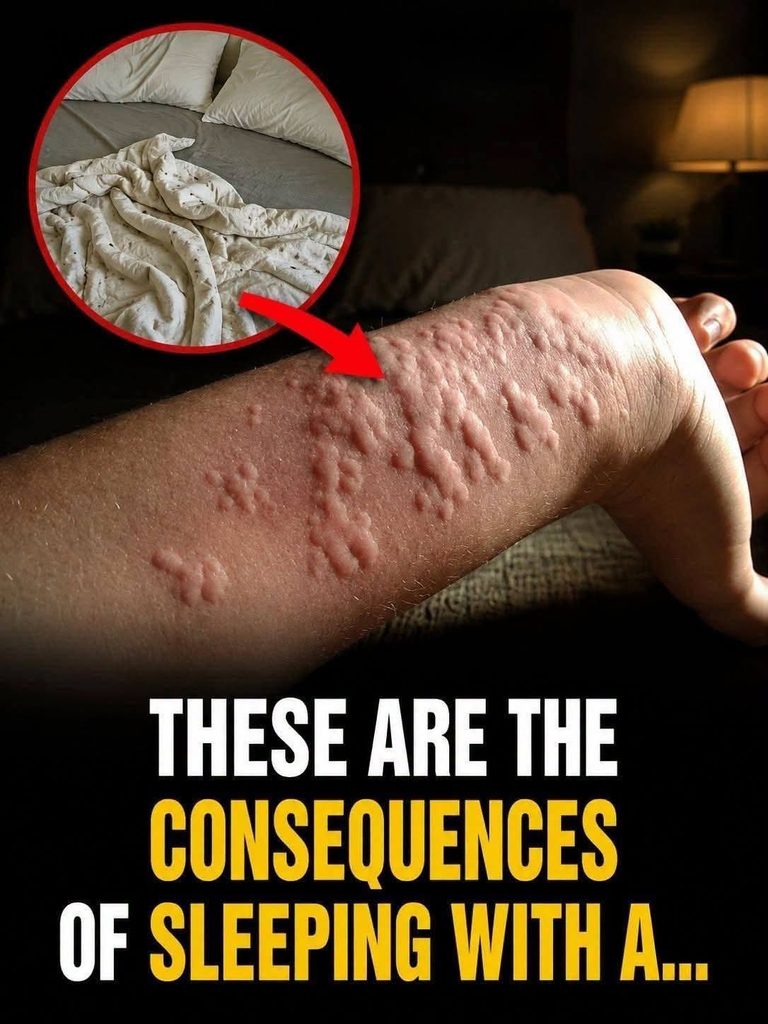
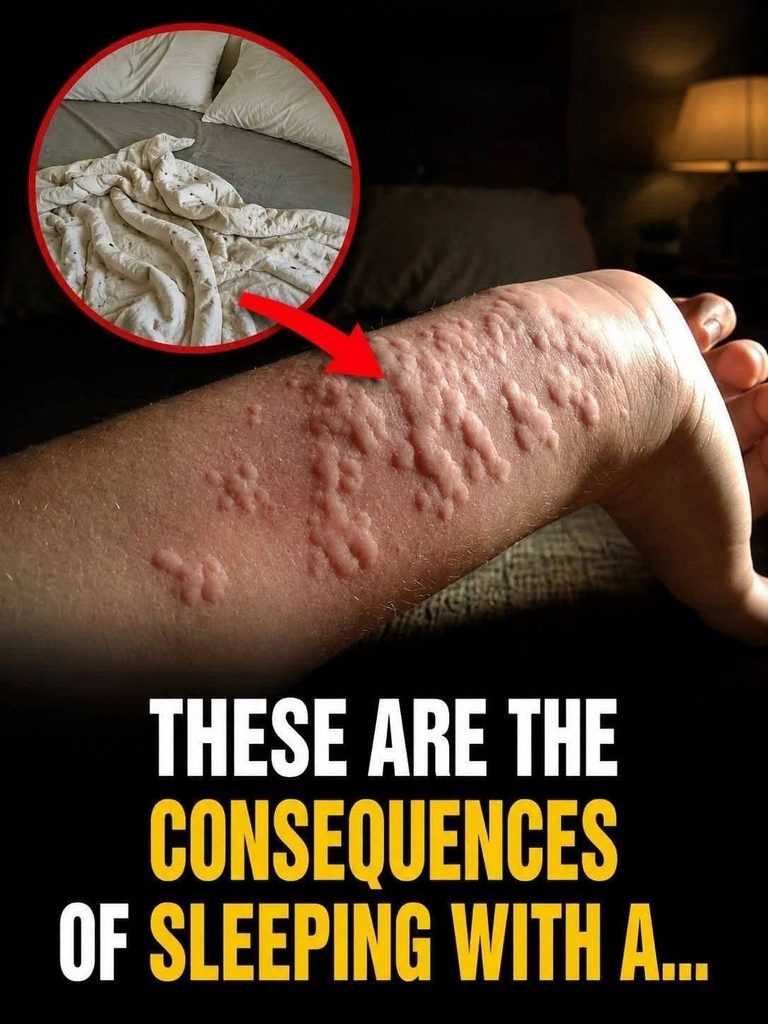
The Image May Not Tell the Whole Story
Viral images often show dramatic rows of swollen bumps and claim:
“This is what happens when you sleep with…”
But skin marks alone can’t prove that bed bugs are responsible.
The marks shown in a photograph could potentially resemble several different skin reactions.
So don’t diagnose yourself based on one Facebook image.
Look for environmental evidence and seek professional advice when necessary.
5 Signs Worth Checking Tonight
If you’re worried about bed bugs, check for this combination:
1. New unexplained itchy bumps after sleeping
Especially if they repeatedly appear overnight.
2. Bites appearing in clusters or rough lines
This pattern can occur with bed bugs, although it isn’t diagnostic.
3. Dark or rusty spots around the mattress
Inspect seams and hidden areas carefully.
4. Shed skins or tiny insects
Look around mattress seams, the headboard, and the bed frame.
5. Repeated bites over several nights
Recurring symptoms may justify a thorough inspection.
One sign alone doesn’t confirm an infestation, but multiple clues deserve attention.
The Bottom Line 🛏️
If you’re repeatedly waking up with itchy red bumps, bed bugs are one possible explanation—but they’re not the only one.
Bed bug bites may appear in clusters or rough lines, but some people develop completely different reactions and others show almost no reaction at all.
The insects aren’t known to spread disease, but their bites can cause significant itching, allergic reactions in some people, secondary skin infections from scratching, and considerable sleep disruption.
Most importantly, don’t rely solely on bite marks.
Check the mattress, bed frame, headboard, and nearby furniture for actual evidence of bed bugs.
And if you confirm an infestation, act early. Bed bugs can be difficult to eliminate once they spread throughout a home.
That mysterious rash you notice after waking up may be worth investigating—but the answer is often hiding around the bed, not on your skin.