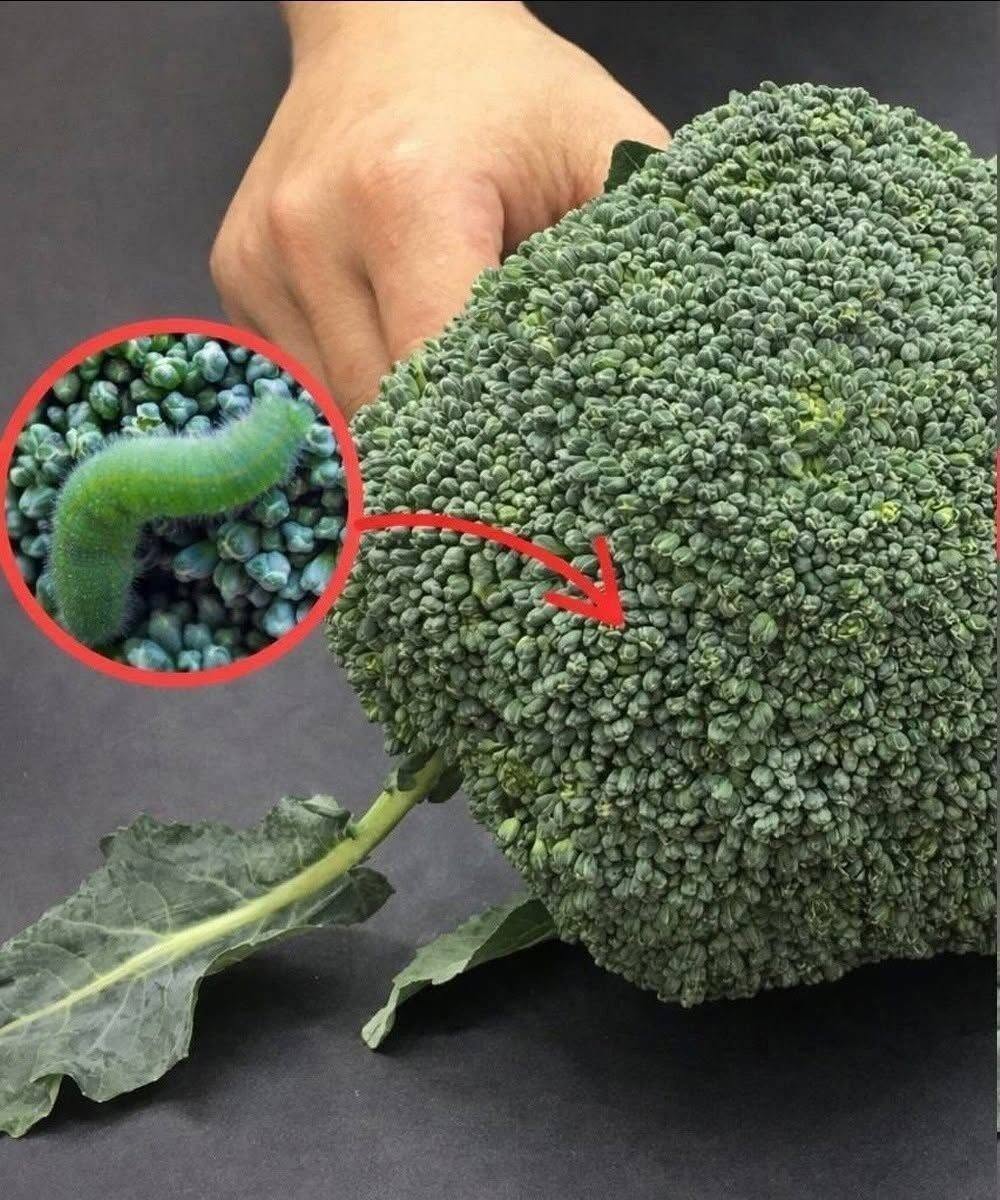
Broccoli is one of those vegetables that can look perfectly clean when you bring it home.
But take a closer look between its tightly packed florets and you may find something unexpected: dirt, tiny insects, plant debris, or residue trapped deep inside the head.
That’s why viral posts often claim:
“Washing broccoli with just water is wrong!”
But is plain water really not enough? And do you actually need vinegar, baking soda, salt, or special vegetable washes?
Here’s a simple and practical way to clean broccoli properly before cooking or eating it.
Why Broccoli Can Be Difficult to Wash
Broccoli is different from smooth vegetables such as tomatoes or peppers.
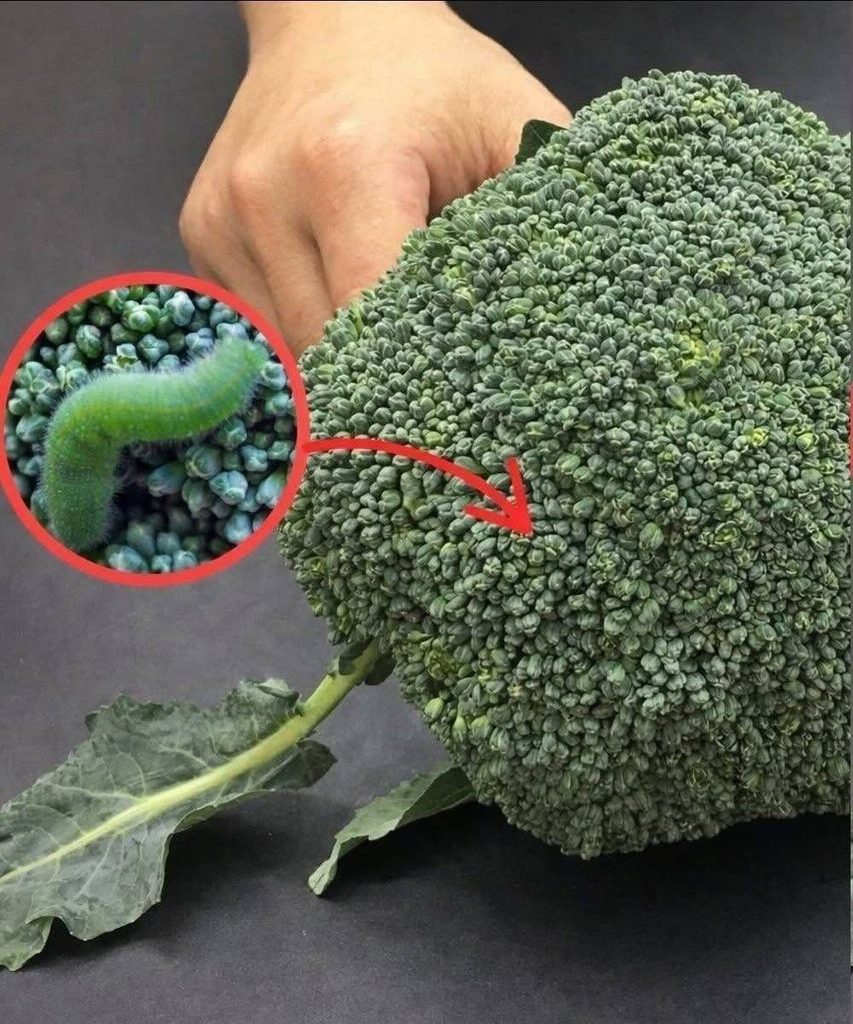
Its head contains hundreds of tightly packed flower buds, creating tiny spaces where dirt and small insects can hide.
Depending on how broccoli was grown and stored, you might occasionally find:
- Soil
- Dust
- Tiny insects
- Small caterpillars
- Plant debris
- Residue from handling
This doesn’t automatically mean the broccoli is bad.
It simply means that its shape makes thorough washing important.
First: Inspect the Broccoli Carefully 👀
Before washing, examine the head.
Look between the florets and underneath the crown.
Check for:
Yellow or severely wilted areas
Visible insects
Mold
Slimy sections
Unpleasant odors
A few small imperfections can usually be trimmed away, but broccoli that is extensively slimy, moldy, or smells spoiled should be discarded.
Step 1: Remove the Leaves and Damaged Parts
Start by removing any remaining leaves.
Trim away damaged or discolored sections.
Don’t automatically throw away the stalk, though.
Broccoli stems are edible and can be delicious when peeled and sliced.
Step 2: Cut It Into Florets 🥦
You can wash a whole head, but cutting broccoli into smaller florets makes it easier to reach hidden areas.
Cut around the central stalk and separate the crown into manageable pieces.
This also gives you a chance to inspect the interior.
If a small insect is hiding deep between the florets, you’re much more likely to notice it now.
Step 3: Rinse Under Cool Running Water
Place the broccoli under cool running water.
Turn each piece while rinsing so water reaches different sides of the florets.
Gently rub the stems with your fingers where practical.
For fresh produce, the FDA recommends thoroughly rinsing produce under running water before preparing or eating it.
And importantly, the FDA does not recommend washing fruits and vegetables with soap, detergent, or commercial produce wash.
Is Plain Water Really “Wrong”?
No.
This is where the viral headline becomes misleading.
Washing broccoli with running water is not wrong.
Running water is one of the standard recommended methods for cleaning fresh produce.
The important part is doing it thoroughly, rather than briefly splashing water over the top of an intact broccoli head and assuming every hidden area has been cleaned.
Cutting the broccoli into florets and rinsing them carefully can make the process more effective.
What About Soaking Broccoli?
Some people prefer to soak broccoli briefly because they’re concerned about insects hiding inside the florets.
If you choose to do this, place the separated florets in a clean bowl of cool water for several minutes.
Move them gently through the water.
Then remove them and rinse thoroughly under fresh running water.
Avoid leaving broccoli soaking for unnecessarily long periods.
The final rinse under clean running water remains important.
The Popular Salt-Water Trick 🧂
One traditional method involves adding salt to a bowl of water and soaking broccoli for a short period.
People often use this technique in hopes of encouraging tiny insects hidden between the florets to come out.
If you choose to use salt water, you could prepare:
4 cups of cool water
+
1–2 tablespoons of salt
Separate the broccoli into florets and place them in the solution for approximately 5–10 minutes.
Move the florets around occasionally.
Then remove them and rinse thoroughly under cool running water.
The salt soak is optional—it does not replace proper rinsing.
What About Vinegar?
Another extremely popular internet method is washing vegetables with diluted vinegar.
You’ll see recipes involving:
1 part vinegar + 3 parts water
and claims that this removes “all pesticides and bacteria.”
Be careful with claims like that.
Vinegar isn’t necessary for routine produce washing, and no homemade rinse can guarantee the removal of every microorganism or pesticide residue.
Thorough washing under running water remains the basic recommendation.
If you use a diluted vinegar soak for personal preference, rinse the broccoli thoroughly afterward so the flavor doesn’t remain.
What About Baking Soda?
Baking soda is another viral produce-cleaning ingredient.
Some studies have investigated baking-soda solutions for removing certain pesticide residues from particular produce, but that doesn’t mean every vegetable needs a baking-soda bath.
It also doesn’t guarantee that all pesticide residues will disappear.
For everyday home preparation, thorough rinsing under running water is a simple and practical approach.
Never Wash Broccoli With Dish Soap 🚫🧼
This is important.
Vegetables are not dishes.
Don’t wash broccoli with:
- Dishwashing liquid
- Hand soap
- Laundry detergent
- Bleach
- Household disinfectants
Produce is porous and cleaning products aren’t designed to be consumed.
Even if you rinse afterward, residues may remain.
Soap doesn’t make your broccoli “extra clean.”
It introduces something that shouldn’t be there in the first place.
Should You Wash Broccoli Before Storing It?
Usually, it’s better to wash broccoli shortly before you plan to use it.
Extra moisture can encourage deterioration during storage.
If you do wash it ahead of time, dry it thoroughly before refrigerating it.
A dry paper towel can help absorb excess moisture inside the storage container or bag.
How to Dry Broccoli After Washing
After rinsing, shake off excess water.
Place the florets in a colander and allow them to drain.
You can also spread them on a clean kitchen towel or paper towels.
For roasting, drying is especially important.
Wet broccoli tends to steam in the oven instead of developing those delicious browned, crispy edges.
What If You Find a Tiny Caterpillar? 🐛
It can certainly be unpleasant, but finding a tiny insect doesn’t automatically mean the entire vegetable must go into the trash.
Broccoli grows outdoors, and insects naturally interact with plants.
Remove the insect, inspect the broccoli carefully, separate the florets and wash them thoroughly.
However, if the broccoli shows extensive insect damage, spoilage, mold, slime, or an unpleasant odor, discarding it may be the better option.
Does Cooking Kill Everything?
Cooking broccoli reduces many microbial risks, but cooking isn’t a reason to skip washing.
Washing also removes physical dirt and debris that you don’t want on your plate.
So the basic order should be:
Inspect → Cut → Wash → Cook.
Not:
Cook it and hope for the best.
What About Broccoli You Eat Raw?
If you’re preparing raw broccoli for:
🥗 Salads
🥦 Vegetable platters
🥕 Dips
🥪 Sandwiches
washing becomes especially important because there will be no cooking step afterward.
Separate the florets and rinse them thoroughly under cool running water before serving.
Don’t Forget Your Hands
Before preparing vegetables, wash your hands properly.
Also use a clean cutting board and knife.
There’s little benefit in carefully washing your broccoli and then placing it onto a cutting board that was just used for raw chicken.
Cross-contamination can introduce germs after the vegetable has already been cleaned.
Keep Raw Meat Separate
If broccoli is being prepared alongside chicken, beef, seafood, or other raw animal foods, use separate preparation areas or thoroughly clean utensils and surfaces between tasks.
Raw meat juices should never come into contact with broccoli that will be eaten raw.
Food safety isn’t only about washing vegetables.
It’s about the entire preparation process.
A Simple Broccoli Cleaning Method
If you want an easy routine without complicated ingredients, use this:
1. Inspect
Check for spoilage, insects, and damaged sections.
2. Trim
Remove unwanted leaves and damaged areas.
3. Separate
Cut the head into individual florets.
4. Rinse
Wash thoroughly under cool running water.
5. Optional soak
If you’re concerned about hidden insects, briefly soak the florets in clean cool water or a mild salt-water solution.
6. Rinse again
Give everything a final rinse under fresh running water.
7. Drain
Allow excess water to escape.
8. Dry
Dry especially well if you’re planning to roast the broccoli.
And that’s it.
You don’t need expensive vegetable-cleaning products.
How to Keep Broccoli Fresh Longer
Fresh broccoli should be refrigerated.
Avoid sealing very wet broccoli into a container for long periods because excess moisture can speed deterioration.
For best quality, use it while the florets remain firm and green.
If the broccoli becomes increasingly yellow, limp, slimy, or develops an unpleasant smell, it’s time to reconsider using it.
Can You Freeze Fresh Broccoli?
Yes.
Broccoli freezes well when prepared correctly.
For better texture and quality, broccoli is commonly blanched before freezing.
Cut it into florets, wash it, briefly blanch it in boiling water, cool it quickly in ice water, drain thoroughly, and freeze.
This can be useful when you’ve bought more broccoli than your family can eat while it’s fresh.
Don’t Throw Away the Stem!
Many people cut off the florets and throw the thick stalk directly into the garbage.
That’s a waste.
The inside of a broccoli stalk is tender and mildly sweet once the tough outer layer is removed.
Peel it and cut it into:
- Thin slices
- Matchsticks
- Cubes
- Stir-fry pieces
You can roast it, steam it, add it to soup, or shred it into slaw.
You paid for the whole broccoli—so enjoy the whole vegetable.
Why Viral Cleaning Videos Can Be Misleading
A video showing a caterpillar emerging from broccoli can make it seem as though every head of broccoli is filled with insects.
That’s not the case.
Occasional insects are possible because broccoli is an agricultural product grown outdoors.
The practical lesson isn’t to become afraid of broccoli.
It’s simply to inspect and wash fresh produce properly before eating it.
The Bottom Line 🥦💦
If someone tells you that “washing broccoli with water is completely wrong,” the claim is exaggerated.
You do not need soap, detergent, bleach, or an expensive produce wash.
A sensible method is:
Separate the broccoli into florets, inspect them carefully, rinse thoroughly under cool running water, and drain well.
If you’re particularly concerned about tiny insects hiding inside, you can briefly soak the florets in cool water or a mild salt-water solution before giving them a final rinse.
The most important trick isn’t a secret ingredient.