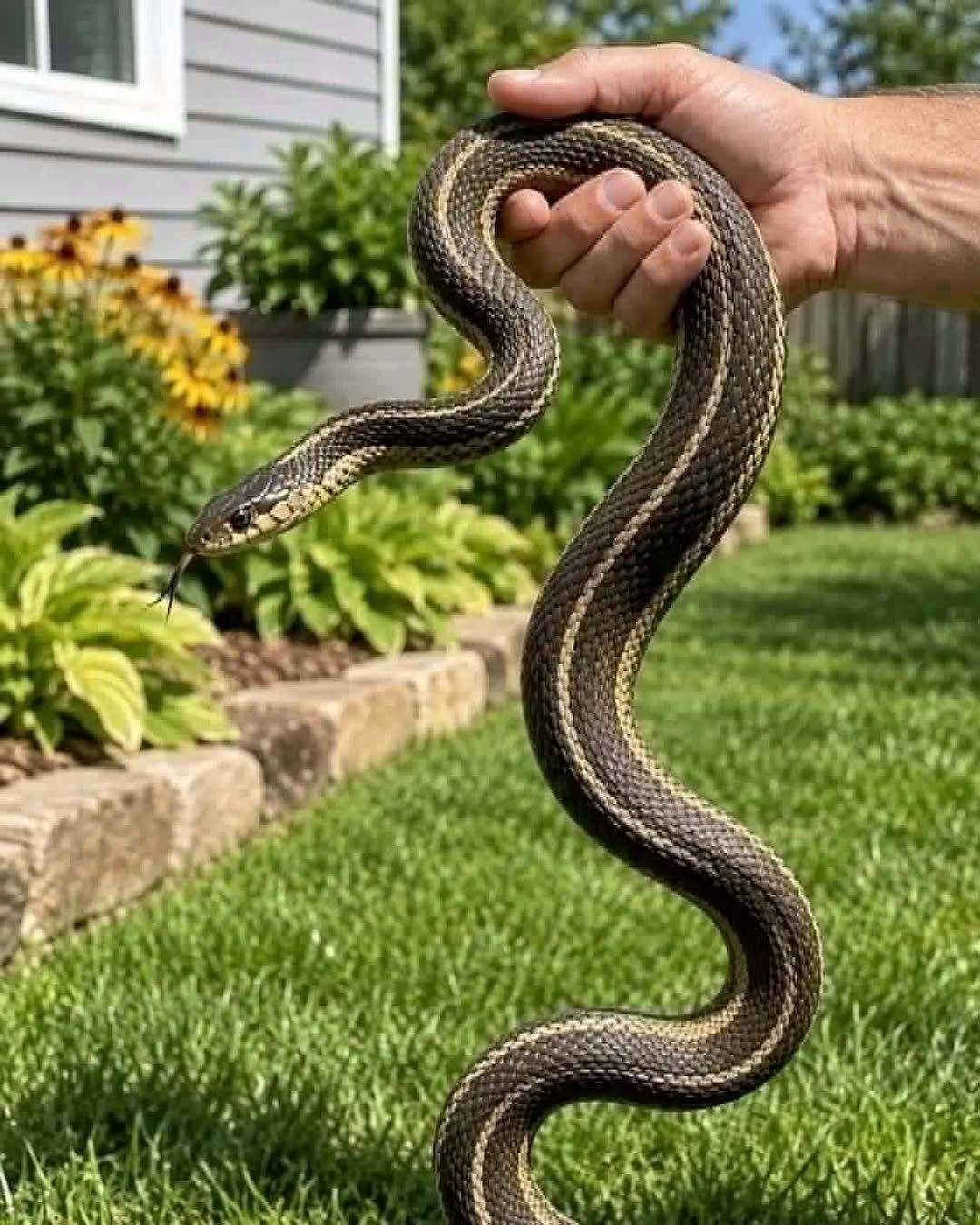
Imagine hearing your child suddenly scream while playing outside.
You rush into the backyard expecting to find a scraped knee or perhaps an insect. Instead, you notice something moving through the grass.
A snake.
For many parents, that would be enough to cause instant panic. But while seeing a snake close to your home can be frightening, the safest response is usually not to approach, grab, or attempt to kill it.
Snakes can appear in gardens and yards for several reasons, and understanding what attracts them can help you reduce the chances of another surprise encounter.
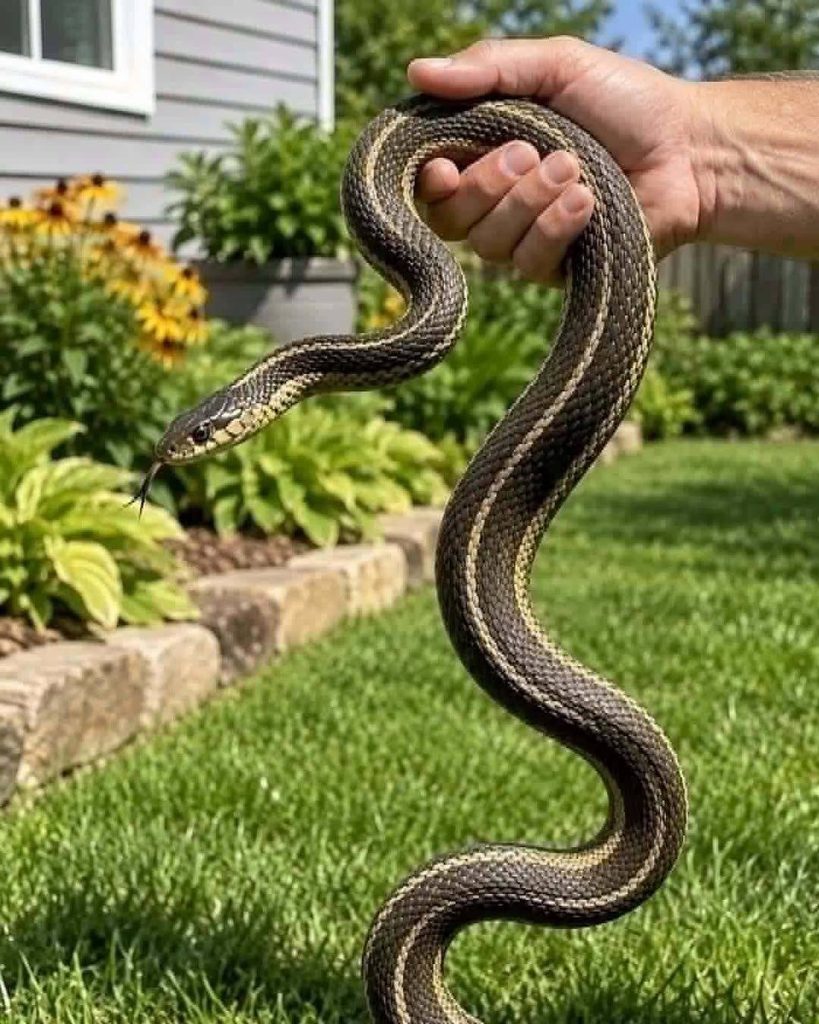
Why Would a Snake Enter Your Yard?
A backyard can provide many of the things wildlife needs:
- Food
- Water
- Shelter
- Shade
- Places to hide
Tall grass, piles of wood, dense vegetation, rodents, pet food, and standing water can all make an outdoor space more attractive to wildlife.
A snake isn’t necessarily entering your property because it wants to interact with people. In most situations, it’s simply moving through the area or searching for food or shelter.
The First Rule: Keep Your Distance
If you discover a snake, don’t immediately walk toward it.
Keep children and pets away and give the animal plenty of space.
Trying to touch, trap, or pick up a snake can dramatically increase the chance of being bitten.
Even if you think you recognize the species, don’t rely solely on appearance unless you’re qualified to identify snakes.
From a distance, different species can sometimes look surprisingly similar.
Never Encourage Children to Touch a Snake
Children are naturally curious.
A small snake may look harmless, especially if it isn’t moving much.
Teach children a simple rule:
“If you see a snake, stop, move away slowly, and tell an adult.”
They should never:
- Pick it up
- Poke it with a stick
- Throw objects at it
- Chase it
- Try to move it
- Stand close to take pictures
The same rule applies to unfamiliar wildlife in general.
What Should You Do When You See One?
Stay calm and move away slowly.
Bring children and pets indoors if you can do so safely.
If the snake has plenty of space and an escape route, it may simply leave the area on its own.
If it remains near your home, enters the house, or is in a location where people cannot safely avoid it, contact an appropriate local wildlife or pest-control professional.
Professional removal is much safer than trying to handle the animal yourself.
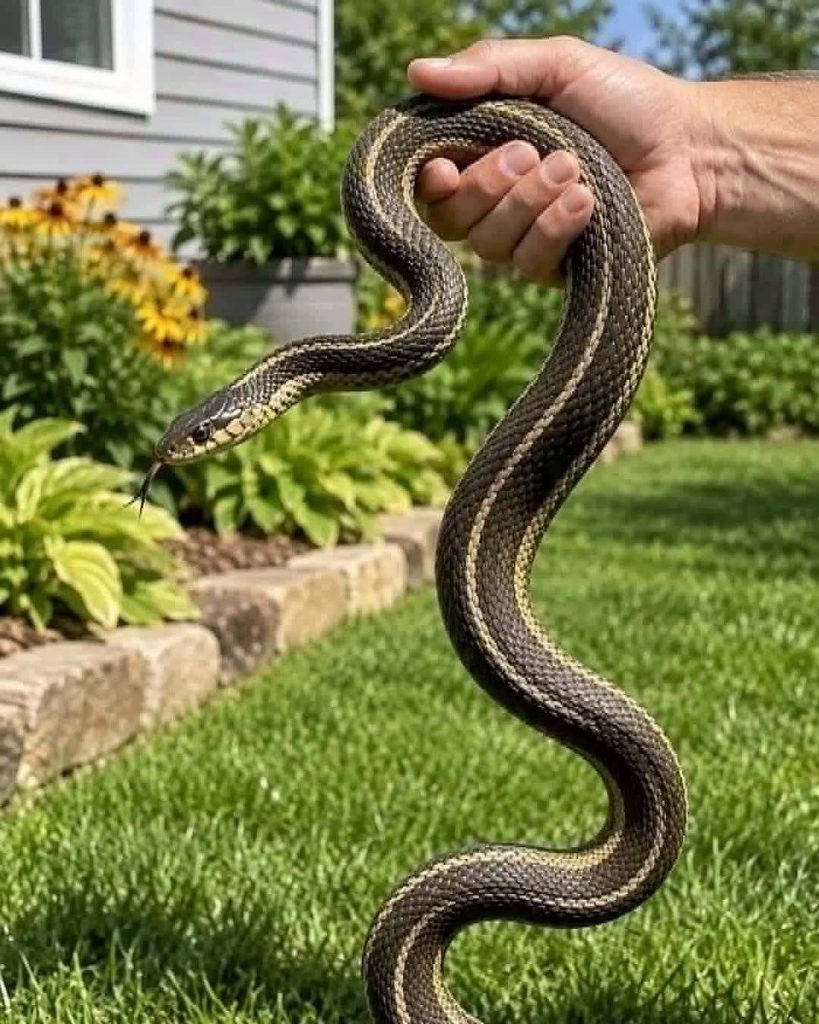
Don’t Try to Grab It Like You See Online
Social media is full of photographs showing people holding snakes with their bare hands.
That doesn’t mean you should copy them.
The person may be trained.
The snake may have already been identified.
The image may even be staged.
A photograph alone doesn’t tell you the circumstances.
If you find an unfamiliar snake in your own yard, assume that handling it isn’t worth the risk.
Why Snakes May Keep Returning
If snakes repeatedly appear around the same property, something nearby may be attracting them.
One of the first things to investigate is food.
Snakes may feed on animals such as:
- Mice
- Rats
- Frogs
- Lizards
- Insects
- Other small animals
A yard with a significant rodent population can therefore become more attractive to certain snakes.
Reducing rodents may help reduce one reason for snakes to visit.
Check for Rodent Problems 🐭
Look for signs such as:
Droppings
Gnawed food containers
Holes around buildings
Scratching sounds
Rodent activity around garbage
Keep garbage securely closed and avoid leaving food outdoors unnecessarily.
If you feed pets outside, remove leftover food rather than leaving bowls out overnight.
Bird seed scattered underneath feeders can also attract rodents, which can indirectly attract predators.
Keep Grass and Vegetation Maintained
Overgrown vegetation creates hiding places.
Keep lawns reasonably trimmed and avoid allowing weeds and dense vegetation to completely cover areas near the house.
You don’t need to remove every plant from your garden.
The goal is simply to reduce places where an animal can remain hidden close to frequently used areas.
Pay particular attention around:
- Children’s play areas
- Patios
- Doorways
- Garages
- Storage sheds
- Walkways
Be Careful With Wood and Debris Piles
A pile of wood can create excellent shelter for many animals.
The same applies to:
- Rocks
- Old boards
- Construction materials
- Leaves
- Garden debris
- Unused equipment
If possible, keep firewood organized and away from frequently used parts of the home.
Wear appropriate gloves and footwear when moving materials that have been sitting undisturbed outdoors.
Never blindly put your hands underneath a log, board, rock, or dense pile of leaves.
Seal Openings Around the House
Small gaps around a building can provide entry points for wildlife.
Inspect areas around:
- Doors
- Garage doors
- Pipes
- Utility lines
- Vents
- Foundations
- Basement openings
Repair damaged screens and seal unnecessary gaps using appropriate materials.
Remember that some vents are necessary for ventilation, so don’t simply block every opening you see.
Use suitable screens or covers where appropriate.
Check Children’s Play Areas
If you live somewhere snakes are occasionally seen, quickly inspect outdoor play areas before young children go outside.
Look around:
- Toys
- Playhouses
- Sandboxes
- Bushes
- Outdoor storage boxes
- Garden furniture
If toys have been left outside overnight, teach children not to reach underneath them without looking first.
A quick visual check takes only seconds.
What About Pets? 🐕🐈
Dogs and cats may approach snakes out of curiosity.
That can put both animals at risk.
If you see a snake in the yard, bring pets indoors and don’t allow them to investigate.
When walking dogs in areas where snakes may occur, keeping them controlled on a leash can prevent them from suddenly running toward wildlife.
Should You Kill a Snake in Your Yard?
Trying to kill a snake can bring you unnecessarily close to it.
It may also be illegal to kill certain protected species depending on where you live.
The safer option is usually to maintain distance and allow the snake to leave, or contact an appropriate professional when removal is necessary.
Snakes also play an important ecological role by controlling populations of rodents and other animals.
The objective should be safety and prevention, not automatically destroying wildlife.
Do Snake Repellents Work?
You’ll find many supposed snake remedies online:
- Vinegar
- Garlic
- Essential oils
- Mothballs
- Sulfur
- Coffee grounds
- Special homemade sprays
Be cautious with these claims.
There isn’t a magical household ingredient guaranteed to keep every snake away.
Some substances can also be harmful to children, pets, wildlife, or the environment.
Improving the yard itself—removing hiding places, reducing rodents, and sealing possible entry points—is generally a more sensible strategy.
What If a Snake Gets Inside the House? 😳
This situation requires extra caution.
Keep people and pets away from the room.
If possible, close interior doors to limit where the animal can move, but don’t approach it to do so.
Don’t attempt to capture it with your hands.
Contact a qualified wildlife professional or appropriate local service for assistance.
If you can safely observe the snake from a distance, knowing where it went can help the professional locate it.
What If Someone Is Bitten?
Treat any suspected snakebite seriously.
Move away from the snake and seek urgent medical assistance.
Try to keep the person calm and relatively still.
Remove rings, watches, or tight items near the affected limb because swelling may occur.
Do NOT:
- Cut the wound
- Try to suck out venom
- Apply ice directly
- Use electric shocks
- Attempt to capture the snake
- Apply a tight tourniquet unless specifically directed by medical professionals
Don’t risk another bite trying to catch the snake for identification.
Medical professionals can determine the appropriate treatment.
Can You Identify a Snake From Its Color?
Not reliably.
Color and patterns can vary considerably, even within the same species.
Lighting, age, location, and individual variation can also change how a snake looks.
Internet rules such as identifying dangerous snakes based on one color pattern can be unreliable in many regions.
If identification is important, use a clear photograph taken from a safe distance and consult a knowledgeable local expert.
Never move closer simply to get a better picture.
Prevention Is Better Than Panic
You cannot guarantee that wildlife will never enter an outdoor space.
But you can make your yard less inviting.
A practical routine includes:
Keep grass reasonably short.
Remove unnecessary debris.
Store firewood carefully.
Control rodent problems.
Don’t leave pet food outside overnight.
Repair gaps around buildings.
Supervise young children outdoors.
Keep pets away from unfamiliar wildlife.
These measures can reduce encounters with many pests and animals—not only snakes.
Teach Children Without Frightening Them
Children don’t need to become terrified of nature.
Instead, teach them respectful distance.
A simple rule works well:
“Look, don’t touch, and tell an adult.”
This applies to snakes, unfamiliar insects, wild mammals, and other animals.
Children can enjoy being outdoors while still learning basic wildlife safety.
Why Seeing a Snake Doesn’t Mean Your Yard Is Infested
One snake doesn’t necessarily mean dozens are living underneath your house.
It may simply be passing through.
Weather, food availability, breeding seasons, construction, and habitat changes can all cause wildlife to move.
However, repeated sightings are a good reason to inspect your property for attractive conditions such as rodents, dense hiding places, or accessible structures.
Before Your Children Play Outside
If snakes are known to occur in your area, take a quick look around.
Check:
✔ Around outdoor toys
✔ Under visible garden furniture
✔ Near bushes and dense vegetation
✔ Around storage areas
✔ Near wood or debris piles
Children should also wear appropriate footwear outdoors rather than walking barefoot through areas where they cannot clearly see the ground.
The Bottom Line 🐍
Finding a snake in your backyard can be frightening, especially when children are nearby.
But panic can make the situation more dangerous.
If you see one:
Keep your distance.
Bring children and pets away from the area.
Don’t attempt to grab or kill it.
Give it an escape route when possible.
Contact a qualified professional if removal is necessary.
And if snakes appear repeatedly, look beyond the animal itself.
Rodents, food sources, dense vegetation, wood piles, debris, and gaps around buildings may be making your property more attractive.
A snake in the backyard doesn’t necessarily mean your home is unsafe—but it is a useful reminder that respecting wildlife and maintaining your outdoor space can help protect the whole family.