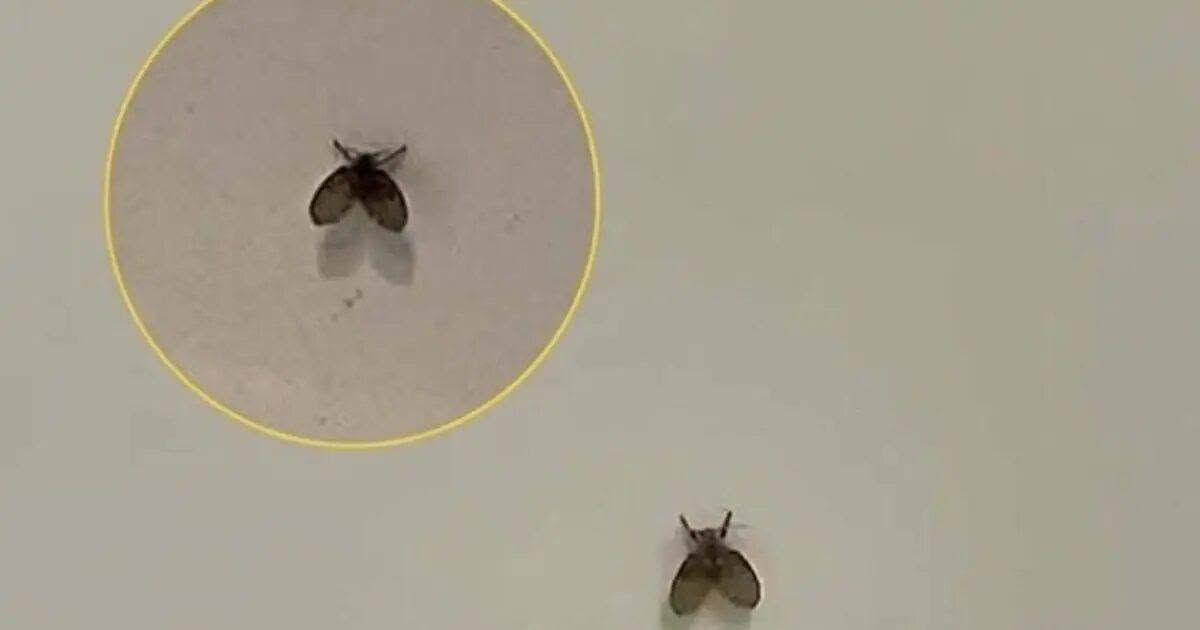
You walk into the bathroom and notice a tiny dark insect resting on the wall near the shower or sink.
At first, you may assume it’s just a small fly that somehow got inside.
Then you see another one.
And another.
A few days later, they seem to appear every evening.
If these insects look like tiny fuzzy moths, there’s a good chance you’re dealing with drain flies, also known as moth flies.
They’re usually more annoying than dangerous, but their presence can tell you something important about what’s happening inside your drains.
What Are Drain Flies?
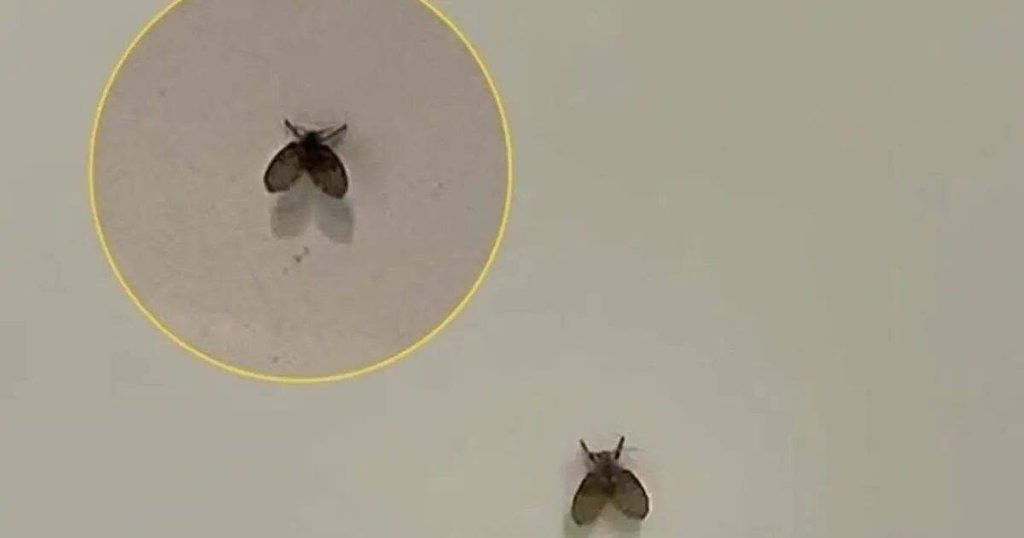
Drain flies are tiny insects commonly found around areas with moisture and organic buildup.
Adults are generally very small and have broad, hairy wings that can make them resemble miniature moths.
They often rest on bathroom walls rather than flying continuously around the room.
You may notice them near:
- Shower drains
- Bathtubs
- Bathroom sinks
- Kitchen sinks
- Floor drains
- Laundry areas
- Basement drains
Seeing one occasionally isn’t necessarily a major problem.
But seeing them repeatedly may indicate that they’ve found a suitable breeding location nearby.
Why Do They Appear in Bathrooms?
Drain flies need moisture and organic material to reproduce.
Inside neglected drains, a slimy layer of bacteria, soap residue, hair, oils and other organic debris can gradually develop.
This material is sometimes called biofilm.
Drain-fly larvae can live and feed in this moist organic buildup.
So when adult flies repeatedly appear around the same sink or shower, the real problem may be hidden inside the drain rather than on the bathroom wall.
The First Warning Sign
One or two tiny flies may be easy to ignore.
But if you start noticing several every day—especially near the same drain—it’s worth investigating.
Killing the adults won’t necessarily solve the problem.
If larvae remain inside a drain, new adults can continue emerging.
That’s why successful control usually requires finding and cleaning the breeding site.
How to Tell If They’re Coming From a Drain
A simple observation can help.
At night, dry the area around your drains and note where the insects tend to gather.
You can also temporarily place a clear adhesive trap near—not inside—the suspected drain opening and check whether insects appear around that location.
The objective is to identify which drain is producing the flies.
Check every potential source, including drains you rarely use.
Sometimes the culprit isn’t the obvious bathroom sink.
It may be a:
- Guest shower
- Basement floor drain
- Utility sink
- Overflow opening
- Laundry drain
- Drain beneath an appliance
Rarely Used Drains Deserve Attention
Drains that receive little use can sometimes become problematic.
Plumbing traps normally contain water that helps block sewer gases.
When a fixture isn’t used for a long time, the trap can dry out.
If you notice odors or insects around a rarely used drain, running water through it may help restore the water barrier.
Persistent problems should be inspected because damaged plumbing or leaking pipes may require professional repair.
How to Get Rid of Drain Flies
The most important step is removing the organic material where the larvae are developing.
Simply spraying adult insects may provide temporary relief but won’t necessarily eliminate the source.
Step 1: Identify the Problem Drain
Watch where the insects appear most frequently.
Check sinks, showers, tubs and floor drains.
Pay attention to drains that smell unpleasant or drain slowly.
Once you’ve identified the likely source, focus your cleaning there.
Step 2: Remove Hair and Visible Debris
If accessible, remove the drain cover.
Wear gloves.
Pull out accumulated:
- Hair
- Soap residue
- Organic debris
- Slime
- Other visible buildup
This alone can remove a significant amount of material that supports insect development.
Dispose of the debris immediately.
Step 3: Scrub the Inside of the Drain
This is the step many viral cleaning hacks miss.
Pouring something down the drain may not remove the slimy film attached to the pipe walls.
Where accessible and appropriate for your plumbing, use a long drain brush to physically scrub the inside surface.
Mechanical cleaning helps remove the organic buildup rather than simply wetting it.
Afterward, rinse according to the cleaning method recommended for your plumbing.
Step 4: Consider an Appropriate Drain Cleaner
An enzyme or biological drain-cleaning product designed to break down organic material may help with buildup in some drains.
Always follow the manufacturer’s directions.
Avoid assuming that the strongest chemical is automatically the best solution.
The objective isn’t simply to kill insects.
The objective is to remove their breeding environment.
Don’t Mix Cleaning Chemicals ⚠️
This is extremely important.
Never randomly combine:
Bleach
Vinegar
Ammonia
Drain opener
or other household cleaning products.
Certain combinations can produce dangerous gases or cause chemical reactions.
Use one suitable product according to its label rather than creating a homemade chemical cocktail.
Does Boiling Water Work?
You’ve probably seen advice saying:
“Just pour boiling water down the drain.”
Hot water may help loosen some residue, but it may not remove established biofilm completely.
Extremely hot water can also be inappropriate for certain plumbing materials.
Physical cleaning and proper drain maintenance are generally more useful than relying on one dramatic boiling-water treatment.
What About Baking Soda and Vinegar?
This popular combination creates an impressive fizz.
But fizz doesn’t automatically mean the drain is being thoroughly sanitized or that all organic buildup has been removed.
If you use any homemade cleaning method, make sure it’s compatible with your plumbing.
For an established drain-fly problem, physically removing buildup is usually more important than watching a chemical reaction.
Why Killing the Adult Flies Isn’t Enough
Imagine you see five flies on your bathroom wall and eliminate all five.
Problem solved?
Not necessarily.
If eggs and larvae remain in organic material inside the drain, another generation may emerge.
That’s why people sometimes complain:
“I spray them every day, but they keep coming back!”
They’re treating the symptom instead of the source.
Find the breeding location, remove the buildup and keep the area clean.
Are Drain Flies Dangerous?
In ordinary household situations, drain flies are generally considered nuisance pests.
They don’t normally bite people.
However, their repeated presence can indicate persistent moisture, organic buildup or sanitation issues that should be addressed.
The bigger concern isn’t usually the tiny adult insect sitting on your wall.
It’s understanding why dozens of them have found your bathroom suitable for reproduction.
What If They’re Not Drain Flies?
Not every tiny bathroom insect is a drain fly.
Bathrooms can also attract:
Fungus gnats
Fruit flies
Phorid flies
Small moths
Other moisture-loving insects
Identification matters because different pests have different breeding sources.
For example, fungus gnats are frequently associated with moist potting soil.
Fruit flies may be associated with fermenting food or organic waste.
Phorid flies can sometimes be associated with decaying organic material and plumbing problems.
If you’re unsure what you’re seeing, take a clear close-up photograph and consult a pest-control professional.
What If Cleaning the Drain Doesn’t Work?
If you’ve thoroughly cleaned the obvious drains but the insects continue appearing, don’t keep repeating the same treatment indefinitely.
There may be a hidden source.
Possible locations include:
- A leaking pipe
- Hidden standing water
- A damaged drain line
- Organic buildup deeper in the plumbing
- A sewage-related problem
- Moisture beneath flooring
- Another drain you haven’t checked
At that point, professional investigation may save a lot of frustration.
Pay Attention to Bad Odors
Tiny flies combined with a persistent sewer-like odor deserve more attention.
The smell may indicate a plumbing problem rather than simply a dirty sink.
If the odor continues after normal cleaning and making sure drain traps contain water, consider contacting a plumber.
A damaged trap, seal or pipe isn’t something that surface cleaning can repair.
Don’t Forget the Sink Overflow
Many bathroom sinks contain a small overflow opening near the top of the basin.
Organic material can accumulate in areas connected to this opening.
If flies keep appearing around a sink even after you’ve cleaned the main drain, the overflow system may deserve inspection and appropriate cleaning.
Again, follow the manufacturer’s or plumber’s guidance for your particular fixture.
Keep the Bathroom Dry When Possible
Drain flies thrive around moisture.
You can’t keep a bathroom completely dry, but you can reduce unnecessary dampness.
After showering:
- Use ventilation
- Open a window when appropriate
- Repair dripping faucets
- Wipe up standing water
- Don’t leave wet towels piled on the floor
- Fix plumbing leaks promptly
Reducing excess moisture also helps discourage mold and other household problems.
Clean Drains Before There’s a Problem
You don’t have to wait until tiny insects appear.
Periodically inspect bathroom and kitchen drains.
Remove trapped hair.
Clean drain covers.
Address slow drainage early.
Keep rarely used drains maintained.
Small maintenance habits can prevent larger problems later.
A Simple Bathroom Routine
Once a week or as needed:
1. Remove visible hair from the shower and sink drains.
2. Clean drain covers.
3. Wipe around faucets and sinks.
4. Check underneath the sink for leaks.
5. Make sure water isn’t continuously pooling around fixtures.
6. Ventilate the bathroom after showers.
It doesn’t require complicated chemicals.
Consistency matters more.
When Should You Call a Professional?
Consider contacting a plumber or pest-control professional if:
- Large numbers of flies keep returning
- Multiple rooms are affected
- You notice persistent sewer odors
- Drains repeatedly back up
- You suspect a broken pipe
- Water appears beneath floors or cabinets
- Cleaning accessible drains doesn’t solve the problem
Persistent insects can sometimes be a clue that something deeper needs attention.
The Good News
Finding a few tiny drain flies doesn’t mean your house is filthy.
Even clean homes can develop organic buildup inside plumbing that isn’t visible from the surface.
And once the breeding location is found and properly cleaned, the problem is often manageable.
So there’s no reason to panic.
Just don’t ignore an infestation that keeps returning.
The Bottom Line 🪰🚿
If tiny fuzzy insects suddenly start appearing on your bathroom walls, especially near sinks, showers or floor drains, they may be drain flies.
The adults you see are only part of the story.
The real issue may be hidden inside the plumbing, where moisture and organic buildup create an ideal breeding environment.
The best approach is simple:
Identify the source.
Remove hair and debris.
Clean the drain thoroughly.
Reduce unnecessary moisture.
Repair leaks.
Never mix cleaning chemicals.
Seek professional help if the problem persists.
That tiny insect on your bathroom wall may look insignificant—but if it keeps returning, your drain may be telling you it’s time for a closer look. 🚿🪰