Atorvastatin is one of the most widely prescribed cholesterol-lowering medications. Millions of people take it to reduce their risk of heart attacks, strokes, and other serious cardiovascular problems.
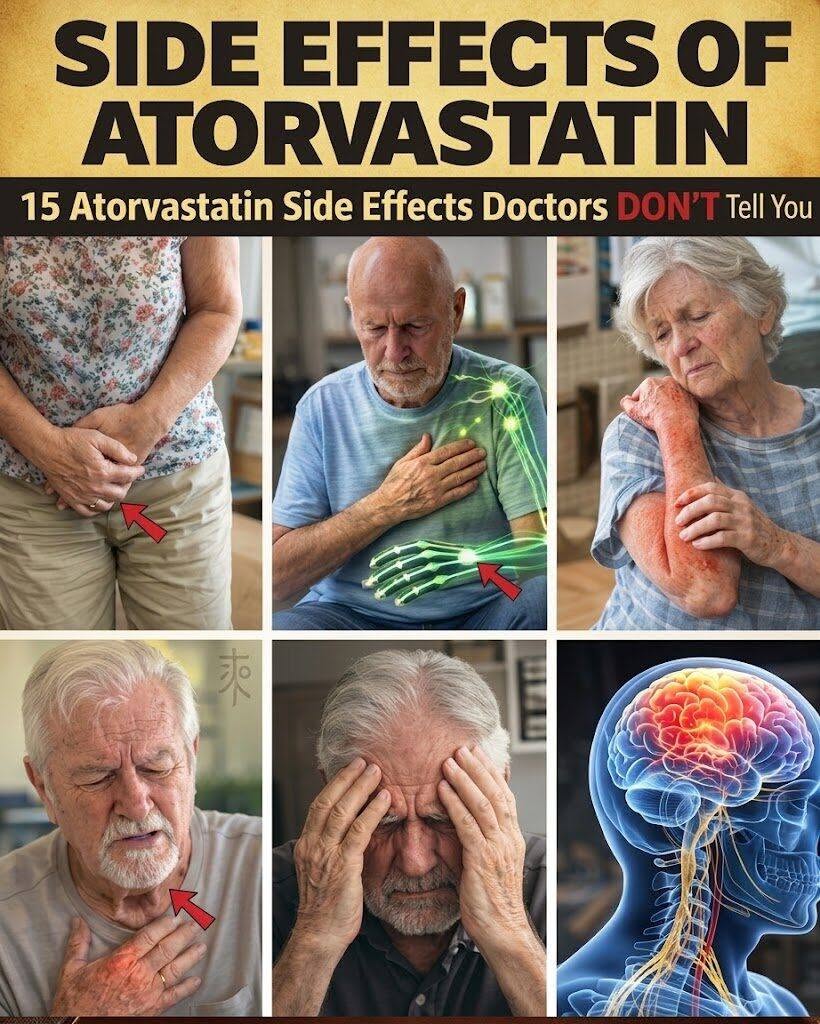
But a viral social media image is raising concerns about the medication, claiming there are 15 atorvastatin side effects that doctors don’t tell you about.
The image highlights several alarming symptoms, including muscle pain, chest discomfort, stomach problems, headaches, and neurological concerns.
So how much of this information is accurate?
Atorvastatin can cause side effects, but most people tolerate it well, and serious reactions are uncommon. Some symptoms are relatively mild, while others require prompt medical attention.
Understanding the difference is essential.
Here are 15 possible side effects and adverse reactions associated with atorvastatin, along with important information about when to contact your doctor.
What Is Atorvastatin and Why Is It Prescribed?
Atorvastatin belongs to a group of medications called statins.
It is commonly sold under the brand name Lipitor, although generic versions are widely available.
Statins work by reducing the amount of cholesterol produced by the liver.
More specifically, atorvastatin blocks an enzyme called HMG-CoA reductase, which plays an important role in cholesterol production.
This helps lower LDL cholesterol, often called “bad cholesterol.”
Lowering LDL cholesterol can reduce the risk of cardiovascular events in people who would benefit from statin therapy.
Doctors prescribe atorvastatin for several reasons:
- High LDL cholesterol
- Prevention of heart attacks
- Prevention of certain strokes
- Established cardiovascular disease
- Increased cardiovascular risk associated with diabetes
- Certain inherited cholesterol disorders
The medication is usually taken once daily.
Common prescribed strengths include 10 mg, 20 mg, 40 mg, and 80 mg.
The appropriate dose depends on the patient’s medical history, cardiovascular risk, cholesterol levels, and response to treatment.
Why Can Atorvastatin Cause Side Effects?
Atorvastatin affects cholesterol production in the liver, but its effects are not limited to cholesterol measurements.
Some people experience digestive symptoms, muscle discomfort, headaches, or changes in blood tests.
The likelihood of certain adverse reactions may be influenced by:
- Medication dose
- Age
- Other medical conditions
- Liver or kidney function
- Thyroid problems
- Other medications
- Drug interactions
- Individual susceptibility
Importantly, experiencing a symptom while taking atorvastatin does not automatically mean the medication caused it.
A healthcare professional can help determine whether a symptom is related to treatment or another condition.
1. Muscle Pain and Aching
Muscle pain is one of the best-known concerns associated with statins.
Some patients report aching, soreness, or discomfort in their muscles.
The discomfort may affect the legs, arms, shoulders, or other areas.
Symptoms can range from mild to more troublesome.
What Does Statin-Associated Muscle Pain Feel Like?
People may describe:
- Aching muscles
- Unusual soreness
- Tenderness
- Muscle stiffness
- Discomfort during everyday activities
However, muscle pain is common in the general population, and not every ache experienced during statin treatment is caused by the medication.
What Should You Do?
Tell your healthcare professional if you develop new, unexplained muscle symptoms.
Severe pain, significant weakness, fever, or dark urine requires urgent medical assessment.
2. Muscle Weakness
Some people taking atorvastatin report unusual muscle weakness.
This may feel different from ordinary tiredness.
For example, someone might notice difficulty climbing stairs, standing from a chair, or performing activities that were previously easy.
Muscle weakness can have many causes, including neurological conditions, thyroid disorders, nutritional problems, and medication effects.
When Is It Concerning?
New or progressive muscle weakness should be evaluated.
Rarely, statins are associated with serious muscle disorders that require specific testing and treatment.
3. Muscle Cramps
Muscle cramps are another possible complaint.
They may occur in the legs or other muscle groups.
Cramps can also be related to dehydration, physical activity, nerve disorders, and other medical conditions.
If cramps begin after starting atorvastatin or increasing the dose, discuss them with your prescriber.
Do not assume that all nighttime leg cramps are caused by statins.
4. Rhabdomyolysis: A Rare but Serious Muscle Complication
Rhabdomyolysis is a potentially life-threatening condition involving severe muscle breakdown.
It is a rare complication associated with statin therapy.
When muscle tissue breaks down, substances released into the bloodstream can damage the kidneys.
Warning Signs
Possible symptoms include:
- Severe muscle pain
- Significant muscle weakness
- Unusual muscle tenderness
- Dark brown or reddish urine
- Reduced urination
- Feeling seriously unwell
Not everyone experiences every symptom.
If you develop severe unexplained muscle symptoms, especially with dark urine or marked weakness, stop taking atorvastatin and seek urgent medical care.
Rhabdomyolysis is uncommon, but recognizing the warning signs matters.
5. Headaches
Headaches are a recognized side effect of atorvastatin.
Some people notice headaches after beginning treatment.
These may improve as the body adjusts to the medication.
However, headaches can have numerous causes.
What Can Help?
Maintain appropriate hydration and follow a regular sleep schedule.
Speak with your pharmacist or doctor if headaches are persistent, severe, or bothersome.
A sudden, extremely severe headache or a headache accompanied by neurological symptoms requires emergency evaluation.
6. Nausea
Some patients experience nausea while taking atorvastatin.
Symptoms may include an unsettled stomach or a feeling that you might vomit.
For mild nausea, taking the medication with food may help some people.
Avoid making medication changes without professional advice.
Persistent vomiting or severe abdominal pain should be medically evaluated.
7. Diarrhea
Diarrhea is another recognized possible side effect.
Some people notice looser or more frequent bowel movements.
Mild symptoms may resolve, but persistent diarrhea can lead to dehydration.
Contact your healthcare professional if diarrhea continues, worsens, or becomes difficult to manage.
Seek medical attention for bloody diarrhea, severe abdominal pain, or signs of significant dehydration.
8. Constipation and Indigestion
Atorvastatin can also cause constipation, indigestion, or increased gas.
These symptoms may be uncomfortable but are usually not dangerous.
Helpful Habits
Depending on your health needs, consider:
- Eating fiber-rich foods
- Staying appropriately hydrated
- Maintaining regular physical activity
- Eating balanced meals
- Discussing persistent symptoms with a pharmacist
Digestive symptoms can have many causes, so ongoing problems should not automatically be attributed to atorvastatin.
9. Joint Pain and Back Pain
Joint discomfort and back pain have been reported in people taking atorvastatin.
However, these symptoms are also common with aging, physical activity, arthritis, and spinal conditions.
If pain becomes persistent or interferes with everyday activities, speak with your clinician.
They may evaluate whether the medication, an underlying condition, or another factor is responsible.
10. Changes in Liver Enzymes
Atorvastatin acts primarily in the liver.
In some people, treatment can cause increases in liver enzymes detected through blood tests.
Mild changes do not necessarily indicate serious liver damage.
However, significant abnormalities may require further evaluation or treatment changes.
Possible Warning Signs of Liver Injury
Seek prompt medical advice if you experience:
- Yellowing of the skin or eyes
- Dark urine
- Pale-colored stools
- Persistent nausea
- Unusual fatigue
- Loss of appetite
- Pain in the upper-right abdomen
Severe liver injury associated with atorvastatin is rare.
Doctors generally check liver enzymes before starting treatment and repeat testing when clinically indicated.
11. Increased Blood Sugar Levels
Statins, including atorvastatin, can cause small increases in blood glucose and HbA1c in some people.
In individuals already at risk, this may contribute to a new diagnosis of diabetes.
However, for people with an appropriate indication for statin therapy, the cardiovascular benefits generally outweigh this risk.
Who Should Pay Attention?
People with:
- Prediabetes
- Type 2 diabetes
- Excess abdominal weight
- Other metabolic risk factors
may benefit from appropriate blood glucose monitoring.
Do not stop atorvastatin solely because of concerns about blood sugar without discussing your individual risk and benefits with your clinician.
12. Sleep Problems
Some patients report sleep disturbances while taking statins.
These may include difficulty sleeping or changes in sleep patterns.
However, research has not consistently shown that atorvastatin causes insomnia in everyone who experiences it.
Sleep problems are common and can result from stress, caffeine, sleep disorders, other medications, or medical conditions.
If sleep changes begin after starting treatment, discuss them with your healthcare professional.
13. Dizziness
Dizziness is another possible side effect.
Some people may feel lightheaded or unsteady.
If this occurs, avoid driving or operating machinery until you feel normal.
Persistent dizziness, fainting, or dizziness accompanied by chest pain or neurological symptoms requires medical assessment.
14. Rare Neurological or Cognitive Symptoms
Some people taking statins have reported memory problems, forgetfulness, or confusion.
These reports have attracted attention online.
However, large studies have not established that statins generally cause dementia or progressive cognitive decline.
Reported cognitive symptoms have often been described as reversible.
What About Numbness or Tingling?
Peripheral nerve symptoms have also been reported, although a direct relationship is not always clear.
Numbness, tingling, or weakness may have many other causes.
New neurological symptoms should be assessed rather than automatically blamed on a medication.
Sudden one-sided weakness, facial drooping, or speech difficulty may indicate a stroke and requires emergency care.
15. Rare Allergic Reactions and Severe Skin Problems
Serious allergic reactions to atorvastatin are uncommon but possible.
Symptoms may include:
- Swelling of the face, lips, tongue, or throat
- Difficulty breathing
- Difficulty swallowing
- Widespread hives
- Severe blistering or peeling skin
These reactions require immediate attention.
Stop taking the medication and seek emergency medical care if you develop signs of a severe allergic reaction.
Atorvastatin Side Effects: Which Are Common and Which Are Rare?
Not all adverse reactions occur with the same frequency.
| Possible side effect | General risk |
|---|---|
| Headache | Common |
| Nausea | Common |
| Diarrhea | Common |
| Constipation or indigestion | Common |
| Muscle aches | Commonly reported |
| Joint or back pain | Reported |
| Dizziness | Possible |
| Sleep disturbances | Reported |
| Muscle cramps | Possible |
| Increased liver enzymes | Recognized laboratory finding |
| Small increases in blood glucose | Recognized effect |
| Cognitive complaints | Uncommon reports; causality uncertain |
| Rhabdomyolysis | Rare but serious |
| Severe liver injury | Rare |
| Severe allergic reaction | Rare |
The frequency and severity of side effects depend on many factors. These descriptions are not a prediction of what any individual patient will experience.
Does Atorvastatin Cause Chest Pain?
Chest pain is not one of the characteristic common side effects of atorvastatin.
The medication is prescribed to reduce cardiovascular risk, not increase it.
However, people taking atorvastatin may already have cardiovascular disease or other risk factors.
Therefore, new or worsening chest pain should never be dismissed as a routine medication reaction.
Seek emergency medical help for chest pressure or pain, especially if accompanied by sweating, nausea, shortness of breath, or discomfort spreading to the arm, back, neck, or jaw.
Can Atorvastatin Cause Kidney Damage?
Atorvastatin is not generally considered directly harmful to the kidneys when prescribed appropriately.
However, the rare complication of rhabdomyolysis can cause acute kidney injury.
This is one reason severe unexplained muscle pain, weakness, or dark urine should be treated seriously.
People with existing kidney impairment may also have a higher risk of certain muscle-related complications.
Your healthcare professional can evaluate the appropriate medication and dose.
Who Is More Likely to Develop Serious Muscle Side Effects?
Certain factors may increase the risk of statin-associated muscle complications.
These include:
- Age 65 or older
- Higher atorvastatin doses
- Kidney impairment
- Untreated or poorly controlled hypothyroidism
- Certain interacting medications
- Previous statin-related muscle problems
Having one of these risk factors does not mean a serious complication will occur.
It means additional care may be appropriate when selecting and monitoring treatment.
Important Atorvastatin Drug Interactions
Atorvastatin can interact with certain medications and foods.
Some interactions increase atorvastatin levels in the bloodstream, potentially raising the risk of muscle-related side effects.
Examples include certain:
- Antibiotics, including clarithromycin
- Antifungal medications
- HIV treatments
- Hepatitis C treatments
- Cholesterol-lowering medications
- Immunosuppressants
- Heart medications
Large amounts of grapefruit juice may also increase exposure to atorvastatin.
Always tell your pharmacist or doctor about all medications and supplements you take.
Do not discontinue prescribed medicines or combine treatments without professional guidance.
Should You Stop Taking Atorvastatin Because of Side Effects?
For mild or bothersome symptoms, contact your healthcare professional before changing your treatment.
Your clinician may recommend:
- Reviewing the symptoms
- Checking relevant blood tests
- Adjusting the dose
- Changing to another statin
- Evaluating drug interactions
- Considering an alternative cholesterol-lowering treatment
For symptoms suggesting severe muscle breakdown, significant liver injury, or a serious allergic reaction, stop taking atorvastatin and seek urgent medical care.
The response depends on the seriousness of the symptoms.
What Happens If You Suddenly Stop Taking Atorvastatin?
Atorvastatin does not usually cause a classic withdrawal syndrome.
However, stopping it can allow LDL cholesterol to rise again.
Over time, this may reduce the cardiovascular protection provided by treatment.
This is especially important for people who have already experienced a heart attack or stroke or have established cardiovascular disease.
Any planned treatment change should be discussed with the prescribing clinician.
8 Tips for Taking Atorvastatin Safely
1. Follow Your Prescribed Dose
Take atorvastatin exactly as directed.
Do not increase or decrease your dose independently.
2. Take It Consistently
Atorvastatin is usually taken once daily and can generally be taken at a convenient, consistent time.
3. Report Unexplained Muscle Symptoms
Tell your clinician about new muscle pain, tenderness, cramps, or weakness.
4. Keep an Updated Medication List
Include prescription drugs, over-the-counter medicines, and supplements.
5. Attend Recommended Blood Tests
Your healthcare professional may monitor cholesterol levels, liver enzymes, or other markers when appropriate.
6. Limit Excessive Alcohol Consumption
Heavy alcohol intake may increase the risk of liver-related problems.
7. Maintain Heart-Healthy Habits
A balanced diet, regular physical activity, smoking cessation, and management of blood pressure and diabetes remain important.
8. Ask Questions About New Symptoms
If something changes after starting treatment, don’t hesitate to speak with a pharmacist or clinician.
Frequently Asked Questions
What is the most common side effect of atorvastatin?
Commonly reported effects include digestive symptoms, headaches, and muscle aches.
Does everyone taking atorvastatin get muscle pain?
No. Many people take atorvastatin without significant muscle symptoms.
Can atorvastatin cause permanent muscle damage?
Serious muscle complications are rare. In very rare cases, an immune-mediated muscle disorder may persist after the medication is stopped and require specialist treatment.
Can atorvastatin damage the liver?
Severe liver injury is rare. Mild liver enzyme elevations can occur and may require monitoring.
Does atorvastatin cause memory loss?
Memory complaints have been reported, but research has not established that atorvastatin generally causes dementia.
Can atorvastatin increase blood sugar?
Yes. Small increases in blood glucose and HbA1c can occur.
Is atorvastatin safe for older adults?
It is commonly prescribed to older adults when the expected cardiovascular benefits outweigh the risks. Treatment should be individualized.
Can I take atorvastatin at night?
Yes. Atorvastatin can generally be taken at any consistent time of day, according to the prescription.
Can I take atorvastatin with food?
Yes. It can generally be taken with or without food.
Should I stop atorvastatin if my cholesterol becomes normal?
Not without medical advice. Normal cholesterol readings may indicate that treatment is working.
Can I drink grapefruit juice while taking atorvastatin?
Large amounts may increase the risk of side effects. Ask your pharmacist about your usual consumption.
When should I seek emergency medical help?
Seek emergency care for severe muscle symptoms with dark urine, difficulty breathing, facial or throat swelling, severe chest pain, or sudden stroke-like symptoms.
Final Thoughts: Know the Warning Signs, but Don’t Panic
Atorvastatin is an established medication that can significantly reduce cardiovascular risk in people who need it.
Like all medicines, it can cause unwanted effects.
Some, such as headaches or digestive discomfort, may be mild. Others, including severe muscle injury or allergic reactions, are rare but potentially serious.
The viral claim that doctors routinely hide these side effects is misleading. Recognized adverse reactions are described in prescribing information and patient medication leaflets.
The key is not to fear atorvastatin, but to understand its benefits, recognize unusual symptoms, and communicate with your healthcare professional.
Never ignore severe warning signs, and never abandon an important prescribed treatment because of an alarming social media image alone.