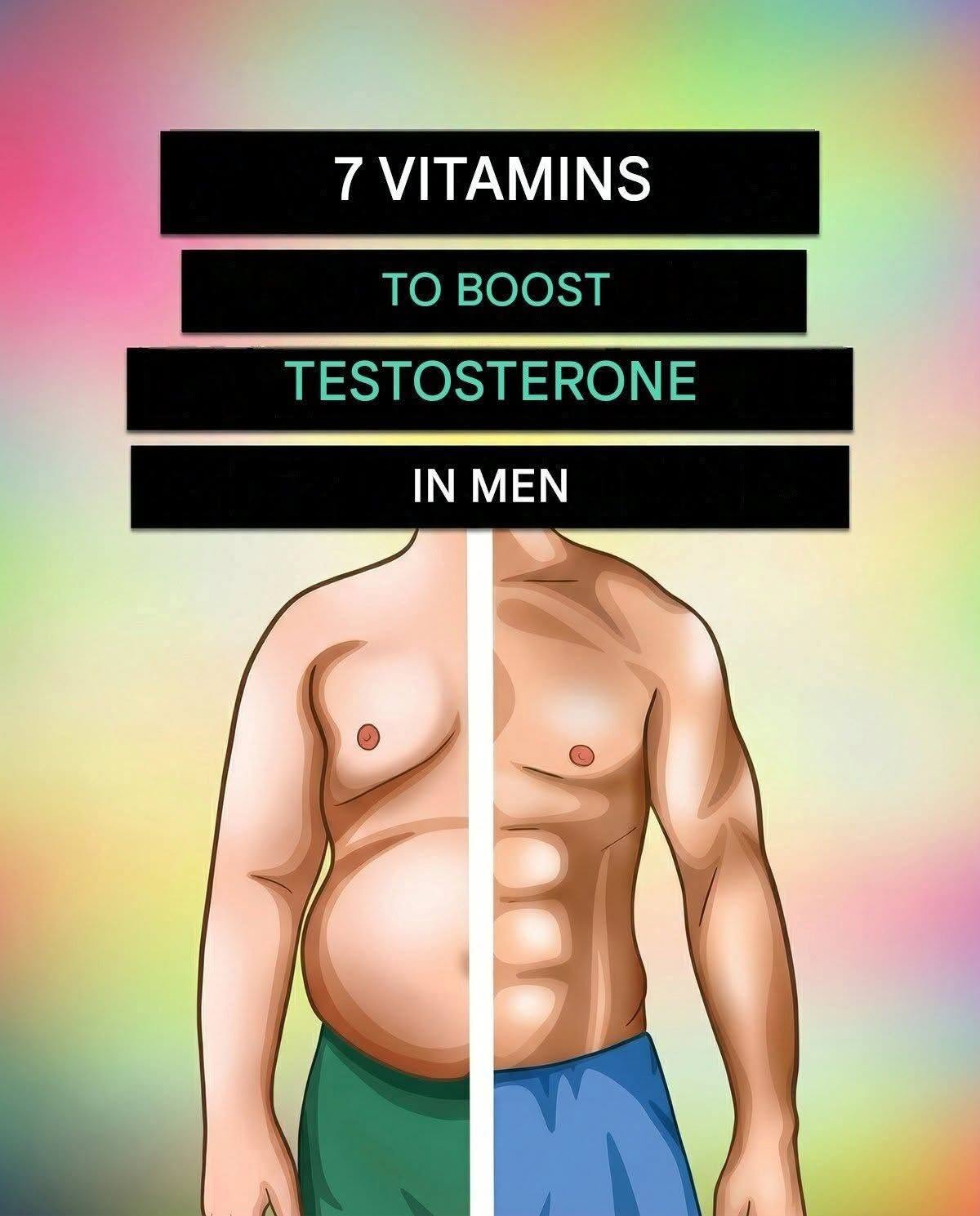
Testosterone is often associated with muscle growth, strength, energy, and masculinity. But this important hormone does much more than help build muscle.
It plays a role in bone health, sexual function, red blood cell production, and overall physical well-being.
That’s why so many men are interested in finding natural ways to maintain healthy testosterone levels, especially as they get older.
Social media is filled with claims that certain vitamins can dramatically increase testosterone, burn belly fat, and transform the body in just a few weeks.
But here’s what you should know:
No vitamin can magically turn low testosterone into high testosterone overnight.
However, certain vitamins and minerals are essential for normal hormone production. Correcting a genuine nutritional deficiency may help support healthy testosterone levels.
Let’s explore seven important nutrients, the foods that contain them, and what science actually says about their effects on men’s hormonal health.
What Is Testosterone?
Testosterone is the primary male sex hormone.
It’s produced mainly in the testicles, with smaller amounts produced by the adrenal glands.
The brain helps regulate testosterone production through a hormonal signaling system involving the hypothalamus and pituitary gland.
Testosterone contributes to several important functions, including:
- Maintaining muscle mass and strength
- Supporting bone density
- Regulating sexual desire
- Supporting sperm production
- Contributing to red blood cell production
- Influencing body composition
- Supporting normal male sexual development
Although testosterone is often discussed in relation to bodybuilding, its functions extend far beyond physical appearance.
Why Do Testosterone Levels Change?
Testosterone levels naturally fluctuate throughout life.
They also vary throughout the day, often being higher in the morning.
Several factors can influence testosterone levels, including:
- Age
- Sleep quality
- Body weight
- Chronic medical conditions
- Certain medications
- Nutritional status
- Testicular or pituitary disorders
A single symptom or one abnormal blood test doesn’t necessarily establish testosterone deficiency.
A medical diagnosis usually requires compatible symptoms and consistently low testosterone measurements.
1. Vitamin D: An Important Nutrient for Hormonal Health ☀️
Vitamin D is widely known for its role in maintaining strong bones.
But researchers have also investigated its relationship with testosterone.
Vitamin D receptors are found in several tissues, and observational studies have sometimes found an association between low vitamin D levels and lower testosterone.
However, association doesn’t prove that vitamin D supplementation will increase testosterone.
Clinical trials have produced mixed results, and vitamin D supplements do not reliably boost testosterone in men who already have adequate vitamin D levels.
Best Food Sources of Vitamin D
- Salmon
- Sardines
- Trout
- Egg yolks
- Fortified milk
- Fortified plant-based beverages
- Certain fortified cereals
Sunlight also helps the body produce vitamin D.
However, excessive sun exposure can damage the skin, so deliberately spending long periods in strong sunlight isn’t necessary or recommended.
What If You’re Deficient?
If a blood test confirms vitamin D deficiency, a healthcare professional may recommend supplementation.
Correcting the deficiency supports bone and general health, even if testosterone levels don’t significantly change.
2. Zinc: Essential for Normal Testosterone Production 🦪
Zinc is one of the most important minerals involved in normal reproductive function.
It contributes to many biological processes, including immune function, cell growth, and enzyme activity.
Zinc is also important for normal testosterone production.
Severe zinc deficiency can be associated with reduced testosterone levels.
In men who are deficient, restoring adequate zinc intake may help normalize hormone function.
However, taking extra zinc when your intake is already sufficient isn’t a proven testosterone-boosting strategy.
Foods Rich in Zinc
- Oysters
- Beef
- Pumpkin seeds
- Chickpeas
- Lentils
- Dairy products
- Nuts
- Fortified cereals
Important Warning
High-dose zinc supplements can cause nausea and interfere with copper absorption.
Long-term excessive intake may contribute to copper deficiency and other health problems.
More zinc doesn’t automatically mean more testosterone.
3. Magnesium: Supporting Normal Muscle and Metabolic Function 🌰
Magnesium is involved in hundreds of biochemical reactions throughout the body.
It contributes to:
- Muscle function
- Nerve signaling
- Energy metabolism
- Bone health
- Normal heart rhythm
- Protein synthesis
Some studies have examined possible relationships between magnesium status and testosterone.
However, evidence that magnesium supplements meaningfully increase testosterone in otherwise healthy men is limited.
Correcting magnesium deficiency is beneficial for general health, but it shouldn’t be presented as a guaranteed hormone treatment.
Foods Rich in Magnesium
- Pumpkin seeds
- Almonds
- Spinach
- Black beans
- Cashews
- Whole grains
- Dark chocolate
Easy Tip
Add a small handful of nuts or seeds to oatmeal, yogurt, or salads.
This is a simple way to increase magnesium intake without relying on expensive supplements.
4. Vitamin B6: Important for Normal Hormone-Related Processes 🍌
Vitamin B6 helps the body process proteins and supports normal nervous-system function.
It is also involved in the synthesis and metabolism of various biologically active compounds.
However, claims that vitamin B6 directly and substantially increases testosterone in healthy men are not supported by strong clinical evidence.
Its main value is helping the body function normally.
Foods Containing Vitamin B6
- Chicken
- Tuna
- Salmon
- Chickpeas
- Potatoes
- Bananas
- Fortified cereals
Why Food Is Usually Better
Most people can obtain adequate vitamin B6 through a varied diet.
High doses of supplemental vitamin B6 taken over time can cause nerve damage.
Therefore, taking large doses in an attempt to boost testosterone is not a good idea.
5. Vitamin B12: Supporting Energy and Red Blood Cell Production 🥩
Vitamin B12 is essential for normal nerve function and red blood cell production.
A deficiency may cause:
- Fatigue
- Weakness
- Numbness or tingling
- Anemia
- Neurological symptoms
Because fatigue is also sometimes associated with low testosterone, people may confuse the two conditions.
But vitamin B12 deficiency and testosterone deficiency are different medical problems.
Correcting low vitamin B12 can improve symptoms caused by that deficiency.
It does not necessarily increase testosterone.
Foods Rich in Vitamin B12
- Beef
- Fish
- Eggs
- Milk
- Yogurt
- Cheese
- Fortified plant-based products
People following a vegan diet generally need a reliable source of vitamin B12 from fortified foods or supplements.
6. Selenium: A Mineral Involved in Reproductive Health 🥚
Selenium is an essential trace mineral.
It contributes to antioxidant defense systems and normal thyroid function.
It also plays roles in male reproductive biology, including sperm-related processes.
However, evidence that selenium supplementation increases testosterone in men without deficiency is insufficient.
Selenium should be consumed in appropriate amounts—not excessive doses.
Foods Containing Selenium
- Fish
- Eggs
- Poultry
- Meat
- Whole grains
- Brazil nuts
Be Careful With Brazil Nuts
Brazil nuts can contain very high amounts of selenium.
Their selenium content varies substantially.
Eating large quantities regularly or combining them with high-dose selenium supplements may lead to excessive intake.
Too much selenium can cause hair loss, brittle nails, digestive symptoms, and other health problems.
7. Vitamin C: Supporting Overall Health and Antioxidant Protection 🍊
Vitamin C is an essential nutrient involved in collagen formation, antioxidant protection, and normal immune function.
It also helps the body absorb non-heme iron from plant foods.
Researchers have investigated antioxidant nutrients in relation to reproductive health and oxidative stress.
However, there is no convincing evidence that taking extra vitamin C reliably boosts testosterone in healthy men.
Its benefits are primarily related to maintaining adequate nutrition and supporting normal physiological functions.
Foods Rich in Vitamin C
- Oranges
- Kiwi
- Strawberries
- Bell peppers
- Broccoli
- Guava
- Citrus fruits
A balanced diet containing fruits and vegetables can generally provide sufficient vitamin C.
Quick Summary: The 7 Nutrients
| Nutrient | Main role | Common food sources |
|---|---|---|
| Vitamin D | Bone health and normal physiological function | Fatty fish, fortified foods, eggs |
| Zinc | Normal reproductive and hormone function | Oysters, beef, pumpkin seeds |
| Magnesium | Muscle, nerve, and metabolic function | Nuts, seeds, spinach |
| Vitamin B6 | Protein metabolism and nervous-system function | Chicken, chickpeas, bananas |
| Vitamin B12 | Nerve health and red blood cell production | Fish, eggs, dairy |
| Selenium | Antioxidant defense and reproductive health | Fish, eggs, Brazil nuts |
| Vitamin C | Collagen formation and antioxidant function | Citrus fruits, peppers, kiwi |
Important: These nutrients are essential for health, but supplementation above normal requirements does not guarantee higher testosterone.
Can Food Really Increase Testosterone?
Food plays an important role in maintaining normal hormonal function.
However, testosterone production depends on far more than individual vitamins.
Adequate calorie intake, balanced nutrition, healthy body composition, sleep, and medical health all matter.
A person who is severely undernourished or deficient in certain nutrients may experience hormonal changes.
Correcting those problems can help restore normal function.
But someone who already eats a balanced diet shouldn’t expect dramatic testosterone increases from adding one particular food.
What About Belly Fat and Testosterone?
Excess body fat, particularly abdominal fat, is associated with lower testosterone levels in some men.
The relationship is complex.
Obesity can affect hormonal signaling and testosterone metabolism.
At the same time, low testosterone can influence body composition.
For men with obesity-related reductions in testosterone, sustained weight loss may help improve testosterone levels.
However, this doesn’t mean every man with belly fat has testosterone deficiency.
It also doesn’t mean testosterone supplements are appropriate for weight loss.
Can Exercise Help Maintain Healthy Testosterone?
Regular physical activity is one of the most useful habits for overall health.
Resistance training can help preserve muscle mass and strength.
Aerobic exercise supports cardiovascular health and weight management.
Although testosterone may rise temporarily after certain workouts, these short-term changes don’t necessarily translate into permanently elevated hormone levels.
Still, exercise provides substantial benefits regardless of its direct effect on testosterone.
A Practical Weekly Routine
Aim for a combination of:
- Brisk walking
- Cycling
- Swimming
- Resistance training
- Bodyweight exercises
Many adults benefit from at least 150 minutes of moderate-intensity aerobic activity weekly, along with muscle-strengthening activities on two or more days.
Adapt exercise to your fitness level and medical circumstances.
Why Sleep Matters for Testosterone 😴
Sleep plays an important role in normal hormone regulation.
Testosterone production is linked to sleep patterns.
Poor sleep and certain sleep disorders may contribute to hormonal disturbances.
Aiming for consistent, sufficient sleep can support overall health.
For most adults, approximately seven to nine hours per night is a reasonable target.
If you snore loudly, wake up gasping, or experience excessive daytime sleepiness, consider medical evaluation for sleep apnea.
Sleep apnea can affect health in multiple ways and may be associated with lower testosterone.
Can Stress Lower Testosterone?
Chronic stress can influence sleep, appetite, physical activity, and several hormonal systems.
Cortisol, often called the stress hormone, plays an important role in the body’s response to challenges.
But the relationship between stress and testosterone isn’t as simple as one hormone automatically canceling out the other.
Managing stress through regular exercise, adequate sleep, relaxation, and social support can improve general well-being.
A Simple Daily Meal Plan for Men’s Health
You don’t need expensive testosterone boosters to build a nutrient-rich diet.
Here’s an example.
Breakfast
- Two eggs
- Whole-grain toast
- A piece of fruit
- Plain yogurt
This provides protein, B vitamins, and several important minerals.
Lunch
- Grilled chicken or chickpeas
- Brown rice or another whole grain
- Spinach or mixed vegetables
- Olive oil dressing
This provides protein, magnesium, fiber, and other nutrients.
Afternoon Snack
- A small handful of almonds
- Pumpkin seeds
- An orange or kiwi
This adds magnesium, zinc, and vitamin C.
Dinner
- Salmon or another fish
- Roasted vegetables
- Potatoes or lentils
- A green salad
This provides protein, healthy fats, and a variety of vitamins and minerals.
The Best Foods to Include Regularly
A nutritious eating pattern can include:
Eggs
Provide protein, vitamin B12, and other nutrients.
Fatty Fish
Provide protein, omega-3 fats, and sometimes vitamin D.
Pumpkin Seeds
Contain magnesium and zinc.
Leafy Greens
Provide magnesium, folate, and other nutrients.
Legumes
Offer plant protein, fiber, and minerals.
Nuts
Provide healthy fats, minerals, and energy.
Fruits and Vegetables
Supply vitamins, fiber, and antioxidant compounds.
No single food is a miracle testosterone booster, but together these foods support a healthy diet.
Do Testosterone-Boosting Supplements Work?
Many supplements are marketed with promises such as:
“Increase testosterone naturally!”
“Build muscle faster!”
“Restore male energy!”
“Transform your body in 30 days!”
These claims are often exaggerated.
Some supplements contain nutrients that are useful when a deficiency exists.
Others contain herbal mixtures with limited or inconsistent evidence.
Certain products may also contain undisclosed ingredients or interact with medications.
Always approach hormone-related supplements cautiously.
Why More Vitamins Aren’t Always Better
It’s tempting to believe that taking large amounts of vitamins and minerals will produce stronger results.
But excessive supplementation can cause harm.
Examples include:
- Too much zinc can cause copper deficiency.
- Too much selenium can cause toxicity.
- Excess vitamin B6 can damage nerves.
- Excess vitamin D can cause dangerously high calcium levels.
- Excess supplemental magnesium may cause diarrhea and other problems.
The goal should be adequate intake—not the highest possible dose.
How Do You Know if Your Testosterone Is Low?
Possible symptoms of testosterone deficiency include:
- Reduced sexual desire
- Fewer spontaneous or morning erections
- Erectile difficulties
- Reduced muscle mass
- Low energy
- Reduced bone density
- Fertility problems
However, these symptoms are not specific to testosterone deficiency.
Stress, depression, poor sleep, medication effects, and other medical conditions can produce similar problems.
How Is Low Testosterone Diagnosed?
A healthcare professional may recommend a blood test when symptoms suggest testosterone deficiency.
Testosterone is generally measured in the morning, when levels are often highest.
Because levels fluctuate, an abnormal result usually needs confirmation with another morning measurement.
Additional tests may help identify the underlying cause.
Treatment depends on symptoms, test results, medical history, and reproductive goals.
Is Testosterone Therapy Necessary?
Not every man with a lower testosterone result needs testosterone therapy.
Treatment may be appropriate for certain men with confirmed hypogonadism.
However, testosterone therapy has risks and requires medical supervision.
It can suppress sperm production and affect fertility.
Men who are planning to have children should discuss this carefully with a specialist.
Testosterone treatment should not be used simply as a shortcut to bodybuilding or weight loss.
Frequently Asked Questions
Which vitamin is best for testosterone?
No single vitamin is universally best. Vitamin D and zinc are often discussed, but correcting deficiencies is more meaningful than taking extra nutrients without a medical reason.
Can vitamin D increase testosterone?
Studies have produced mixed results. Vitamin D supplementation doesn’t reliably raise testosterone in men who already have sufficient vitamin D.
Do bananas increase testosterone?
Bananas provide useful nutrients, including vitamin B6, but eating bananas has not been proven to substantially increase testosterone.
Are eggs good for testosterone?
Eggs provide protein and several nutrients that support general health. They are not a guaranteed testosterone booster.
Can zinc deficiency cause low testosterone?
Severe zinc deficiency can impair normal testosterone production. Correcting the deficiency may help restore normal function.
Does lifting weights increase testosterone?
Resistance exercise may cause temporary hormonal changes, but its most reliable benefits include improved strength, muscle maintenance, and metabolic health.
Can losing belly fat help testosterone?
For some men with obesity-related low testosterone, sustained weight loss may improve testosterone levels.
How quickly can vitamins increase testosterone?
There is no established timeline because vitamins do not reliably increase testosterone in men without deficiencies. When a deficiency is present, improvement depends on its severity and underlying cause.
7 Common Myths About Testosterone
Myth 1: Every man needs a testosterone booster after 40.
False. Age alone doesn’t establish testosterone deficiency.
Myth 2: Taking more zinc always raises testosterone.
False. Excess zinc can be harmful.
Myth 3: Vitamin D supplements work like testosterone medication.
False. They serve very different purposes.
Myth 4: Belly fat always means testosterone is low.
False. Body composition alone cannot diagnose a hormonal disorder.
Myth 5: Every tired man has low testosterone.
False. Fatigue has many possible causes.
Myth 6: Natural supplements are always safe.
False. Natural products can cause side effects and interact with medications.
Myth 7: High testosterone automatically means better health.
False. The goal is healthy, appropriate hormone levels—not the highest possible number.
Final Thoughts 💪✨
Testosterone plays an important role in men’s physical and reproductive health, but there is no magic vitamin that can dramatically boost it overnight.
Seven nutrients worth paying attention to are:
- Vitamin D
- Zinc
- Magnesium
- Vitamin B6
- Vitamin B12
- Selenium
- Vitamin C
These nutrients support normal biological functions, and correcting deficiencies can be beneficial.
However, taking unnecessary high-dose supplements isn’t a reliable way to raise testosterone.
The most useful approach is to focus on balanced nutrition, regular exercise, sufficient sleep, healthy weight management, and appropriate medical care.
If you’re experiencing symptoms of low testosterone, don’t rely solely on internet supplements or viral advice. A proper medical evaluation can help identify the cause.
Healthy testosterone isn’t about chasing miracle pills. It’s about supporting your body with the nutrients and habits it actually needs. 💪🥦