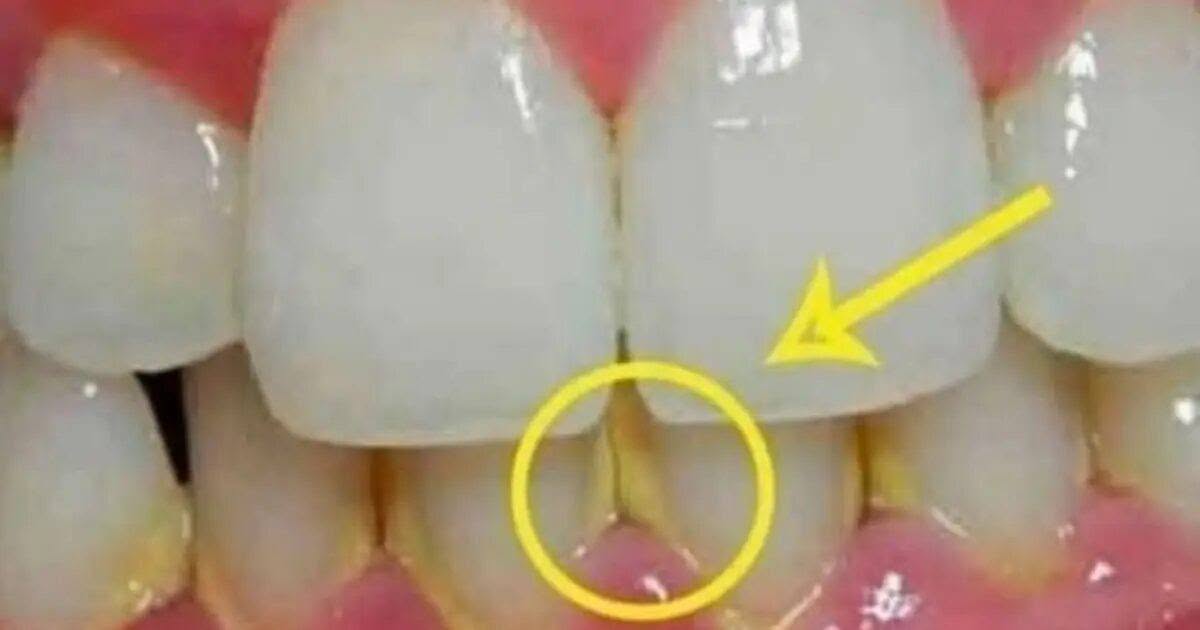
You brush your teeth every morning and night, yet when you look closely in the mirror, you may still notice a yellowish or whitish buildup near the gumline or between your teeth.
It’s easy to assume that brushing harder—or trying a viral homemade remedy—will make it disappear.
But there’s an important difference between plaque and tartar, and understanding it can save you from damaging your teeth and gums.
Plaque is a soft, sticky bacterial film that forms constantly on teeth. Daily brushing and cleaning between the teeth can remove much of it. But when plaque remains long enough, it can harden into tartar, also called calculus, which cannot simply be brushed away at home and generally requires professional removal. CDC
Here’s a simple daily routine that can help keep plaque under better control.
What Is Dental Plaque?
Your mouth naturally contains bacteria.
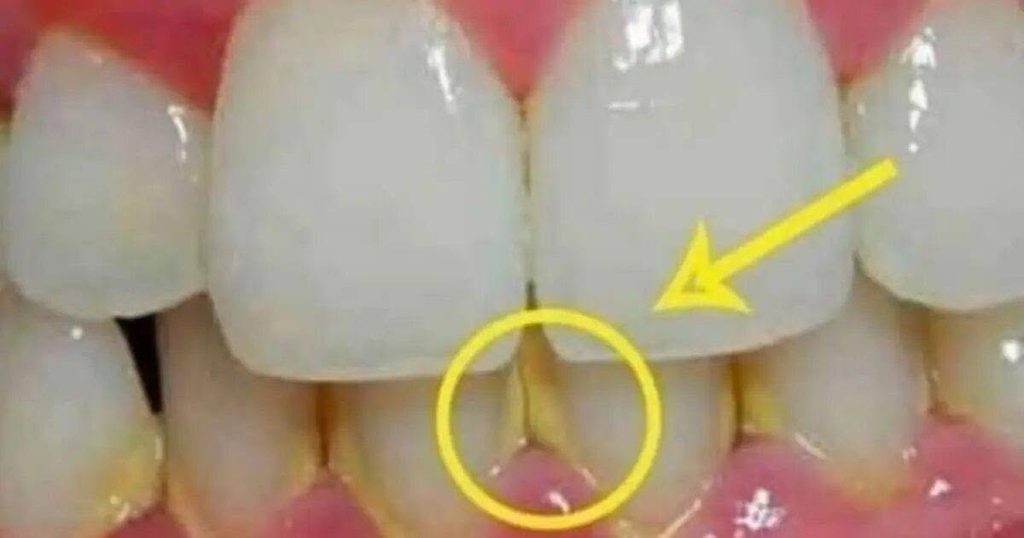
Throughout the day, bacteria accumulate in a sticky film on the surface of your teeth. This is dental plaque.
It particularly likes areas that are easy to miss, including:
- Along the gumline
- Between teeth
- Around crowded teeth
- Around dental restorations
- Behind the lower front teeth
Plaque isn’t always easy to see.
Your teeth can look reasonably clean while plaque is still accumulating in difficult-to-reach areas.
If it isn’t regularly removed, it can contribute to cavities and gum inflammation.
Plaque and Tartar Are NOT the Same Thing
This distinction is extremely important.
Plaque is relatively soft.
It can usually be disrupted and removed with good brushing and interdental cleaning.
Tartar is hardened plaque.
Once plaque mineralizes into tartar, your toothbrush and floss aren’t designed to scrape it off. Professional dental cleaning is generally required. CDC
So if you see a hard yellow or brown deposit firmly attached near your gumline, don’t attack it with sharp tools.
It may be tartar rather than ordinary plaque.
The Simple 5-Minute Routine 🪥✨
You don’t need an elaborate 20-step dental routine.
Consistency is far more important.
For most people, a basic routine can be built around three things:
Brush thoroughly.
Clean between your teeth.
Pay attention to your gums.
The ADA recommends brushing twice daily with fluoride toothpaste for about two minutes and cleaning between the teeth daily. ADA
Step 1: Clean Between Your Teeth
Your toothbrush is excellent for exposed tooth surfaces, but its bristles can’t effectively clean every tight space between teeth.
That’s where floss or another interdental cleaner becomes useful.
The ADA notes that interdental cleaning helps remove food debris and plaque from areas between teeth that toothbrush bristles cannot effectively reach. ADA
You can use:
Traditional dental floss
Floss picks
Interdental brushes
or another appropriate interdental cleaner.
The best choice depends partly on the spacing between your teeth and your individual dental needs.
How to Floss Properly
Don’t simply snap floss downward between your teeth.
Slide it gently through the contact point.
Curve the floss around the side of one tooth in a C-shape and move it gently along the tooth surface near the gumline.
Then clean the neighboring tooth.
Move systematically around your mouth so you don’t forget sections.
If you’re unsure about your technique, your dentist or dental hygienist can demonstrate it.
What If Your Gums Bleed When You Floss?
Bleeding gums shouldn’t automatically be interpreted as proof that floss is damaging you.
Red, swollen, or easily bleeding gums can be signs of gingivitis, the earliest form of gum disease. CDC
However, aggressive flossing can also injure gum tissue.
Use a gentle technique.
If your gums continue bleeding regularly, become painful or swollen, or you have other concerning symptoms, arrange a dental evaluation.
Step 2: Brush for Two Full Minutes ⏱️
Many people believe they brush for two minutes but actually stop much sooner.
Two minutes isn’t particularly long—but it feels surprisingly long when you’re standing at the sink.
Try dividing your mouth into four sections:
Upper right — 30 seconds
Upper left — 30 seconds
Lower right — 30 seconds
Lower left — 30 seconds
That gives you approximately two minutes of brushing.
Don’t Forget the Gumline
Plaque often accumulates where teeth and gums meet.
Brush gently around this area rather than focusing only on the center of each tooth.
Don’t scrub aggressively.
More pressure doesn’t necessarily produce cleaner teeth.
Overly aggressive brushing can irritate gums and contribute to tooth wear or gum recession.
A gentle, systematic technique is preferable.
Manual or Electric Toothbrush?
Both can work.
The ADA notes that manual and powered toothbrushes can effectively remove plaque and reduce gingival inflammation when used appropriately. ADA
An electric toothbrush can be helpful for people who struggle with manual brushing technique or dexterity, but buying an expensive toothbrush doesn’t automatically guarantee better oral hygiene.
Technique and consistency still matter.
Step 3: Use Fluoride Toothpaste
Fluoride toothpaste isn’t just there to make your breath smell minty.
Fluoride helps protect teeth against decay.
Use an appropriate fluoride toothpaste and brush twice daily.
You don’t need to cover the entire toothbrush with an enormous strip of toothpaste to get cleaner teeth.
More toothpaste doesn’t equal more plaque removal.
Step 4: Don’t Forget Your Tongue 👅
Your tongue can collect bacteria and debris.
After brushing your teeth, gently clean your tongue with your toothbrush or a tongue scraper.
Don’t scrub aggressively.
Tongue cleaning may help remove coating and improve breath, but it isn’t a substitute for brushing and interdental cleaning.
Step 5: Mouthwash Is Optional
Many people think their dental routine isn’t complete without mouthwash.
That’s not necessarily true.
Certain therapeutic mouthrinses can help reduce plaque or gingivitis when used alongside brushing and interdental cleaning, but mouthwash doesn’t replace mechanical cleaning. ADA
Think of an appropriate mouthwash as a possible addition—not as a shortcut.
Can You Remove Tartar at Home?
This is where many viral dental hacks become problematic.
If you see hardened material attached to your teeth, don’t try to scrape it off using:
Needles
Knives
Metal picks
Scissors
or improvised dental instruments.
Dental professionals use specialized instruments with proper visibility, technique, and knowledge of tooth and gum anatomy.
Trying to imitate professional scaling at home can injure your gums or damage tooth surfaces.
Why Does Tartar Often Appear Behind the Lower Front Teeth?
Some people notice that tartar accumulates particularly quickly behind their lower front teeth.
This area is close to openings of major salivary glands.
Minerals present in saliva can contribute to plaque mineralization, making this a common location for calculus buildup.
If you repeatedly develop tartar there despite good home care, regular professional cleaning can help manage it.
Can Baking Soda Remove Tartar?
Baking soda appears in countless social-media “dentist secrets.”
But don’t confuse removing superficial stains or plaque with removing established calculus.
Once substantial tartar has hardened onto the teeth, homemade pastes aren’t a substitute for professional scaling.
Aggressively scrubbing teeth with abrasive mixtures can also be counterproductive.
What About Lemon Juice? 🍋
Avoid rubbing lemon juice directly onto your teeth as a whitening or tartar-removal treatment.
Lemon is highly acidic.
Repeated acid exposure can contribute to enamel erosion.
Once enamel has been permanently lost, your body doesn’t simply grow a new layer.
A brighter-looking smile isn’t worth damaging the protective surface of your teeth.
Vinegar Isn’t a Dental Scaling Treatment Either
Another viral recommendation is applying vinegar directly to teeth to “dissolve tartar.”
Don’t treat your teeth like a kitchen appliance.
Acidic household ingredients aren’t substitutes for dental treatment.
If hard deposits need to be removed, have them professionally cleaned.
Don’t Scrub With Salt
Salt is another common ingredient in homemade whitening and plaque-removal recipes.
Aggressive abrasive scrubbing isn’t necessary and can irritate oral tissues.
Your daily routine doesn’t need to hurt in order to work.
What About Hydrogen Peroxide?
Hydrogen peroxide is included in some professionally formulated oral-care products at controlled concentrations.
That’s very different from experimenting with concentrated peroxide at home.
Don’t assume that if a small amount is used in a dental product, stronger homemade mixtures must work better.
They can irritate your gums and other oral tissues.
Why Plaque Matters
If plaque remains around the gumline, it can trigger inflammation.
The earliest stage of gum disease is gingivitis.
Possible signs include:
Red gums
Swollen gums
Tender gums
and
Gums that bleed easily.
Gingivitis is generally reversible with appropriate oral hygiene and professional care. CDC
What Happens If Gum Disease Progresses?
Untreated gingivitis can progress in some people to periodontitis.
Periodontitis is much more serious.
It involves destruction of the tissues supporting the teeth and can include bone loss.
Unlike gingivitis, the damage associated with periodontitis isn’t simply reversed by brushing better for a few days, although professional treatment can help slow and manage the disease. CDC
That’s why persistent gum problems deserve attention.
Signs You Shouldn’t Ignore ⚠️
Consider seeing a dentist if you regularly experience:
- Bleeding gums
- Red or swollen gums
- Persistent bad breath
- Gum recession
- Loose teeth
- Pain when chewing
- Significant tartar buildup
- Persistent tooth sensitivity
Gum disease can sometimes progress significantly before symptoms become obvious, making regular dental examinations important.
Does Professional Cleaning Damage Teeth?
Some people avoid dental scaling because they believe removing tartar will weaken their teeth or create gaps.
Professional cleaning is designed to remove deposits that shouldn’t be there.
When heavy tartar has accumulated between teeth or around the gumline, removing it can reveal spaces that were previously filled or hidden by deposits.
The cleaning didn’t create the underlying problem.
Why Teeth May Feel Different After Scaling
After substantial tartar is removed, your teeth can temporarily feel different.
The surfaces may feel smoother.
Spaces may seem more noticeable.
Some people experience temporary sensitivity.
This doesn’t mean tartar was protecting the teeth.
Leaving harmful deposits in place isn’t a safer alternative.
The Morning Routine
Your morning routine can be very simple:
Clean your teeth thoroughly for approximately two minutes.
Use fluoride toothpaste.
Gently clean your tongue.
If interdental cleaning fits best into your morning routine, do it then.
The important thing is doing it consistently.
The Nighttime Routine 🌙
Your evening routine is particularly important because you don’t want to go to sleep with the day’s plaque and food debris still sitting around your teeth.
Before bed:
Clean between your teeth.
Brush thoroughly with fluoride toothpaste.
Gently clean your tongue if desired.
Then avoid turning your nighttime brushing into the beginning of another snack session.
Should You Floss Before or After Brushing?
Either approach can be acceptable if you’re thorough.
The ADA notes that people can floss before or after brushing; consistency and proper cleaning matter most. ADA
Choose the order you’re most likely to follow every day.
What About Water Flossers?
Water flossers can be another option for cleaning between teeth.
Some people find them easier or more comfortable than traditional floss.
Interdental brushes may also be particularly useful when there are larger spaces between teeth or for certain people with periodontal needs.
Your dentist can recommend the most appropriate method for your mouth.
Why Your Teeth Can Still Look Yellow After Cleaning
Healthy teeth aren’t naturally paper-white.
Tooth color varies considerably between individuals.
Removing plaque and surface stains can make teeth look cleaner, but it won’t necessarily turn naturally ivory-colored teeth bright white.
Don’t mistake an unnaturally white social-media filter for the standard of dental health.
Plaque Removal Isn’t the Same as Teeth Whitening
These are two different goals.
Plaque removal is part of maintaining oral health.
Whitening aims to change tooth color.
A clean tooth can still naturally have a yellowish or ivory shade.
Likewise, very white teeth aren’t necessarily healthy teeth.
Diet Matters Too
Frequent exposure to sugary foods and drinks can contribute to tooth decay.
Rather than sipping sugary drinks continuously throughout the day, pay attention to both the amount and frequency of sugar exposure.
Water is generally a tooth-friendly drink.
Good dental health isn’t created solely in the bathroom—it also depends on everyday habits.
Smoking and Gum Health 🚭
Smoking is an important risk factor for severe periodontal disease and can make gum problems harder to manage. CDC
If you smoke, quitting benefits far more than your smile.
It supports both oral and overall health.
Don’t Wait for Pain Before Seeing a Dentist
Dental problems don’t always hurt during their early stages.
Gum disease, cavities, and other problems can develop before severe pain appears.
The CDC recommends regular dental care and notes that adults should generally have a dental checkup at least annually, with frequency individualized according to professional advice. CDC
Your Simple Daily Checklist 🦷✨
You don’t need a drawer full of expensive products.
Focus on these habits:
🪥 Brush twice daily for about two minutes.
🦷 Use fluoride toothpaste.
🧵 Clean between your teeth every day.
👅 Clean your tongue gently if desired.
💧 Stay hydrated.
🚭 Avoid tobacco.
🍬 Limit frequent sugary foods and drinks.
👨⚕️ Get regular dental checkups and professional cleaning when needed.
Most importantly, don’t try to scrape hardened tartar off your own teeth with sharp objects.
The Bottom Line
That yellow buildup around your gumline isn’t something to attack with lemon juice, vinegar, knives, or viral “miracle” mixtures.
If it’s still soft plaque, consistent brushing and interdental cleaning can help remove it and prevent further accumulation.
But once plaque hardens into tartar, professional dental cleaning is generally required. CDC
The real “secret” to a cleaner smile isn’t a mysterious kitchen ingredient.
It’s surprisingly simple:
Two minutes of good brushing, daily cleaning between your teeth, and consistent professional dental care.
Five minutes spent caring for your mouth every day can accomplish far more than most viral dental hacks—and without putting your enamel or gums at unnecessary risk.