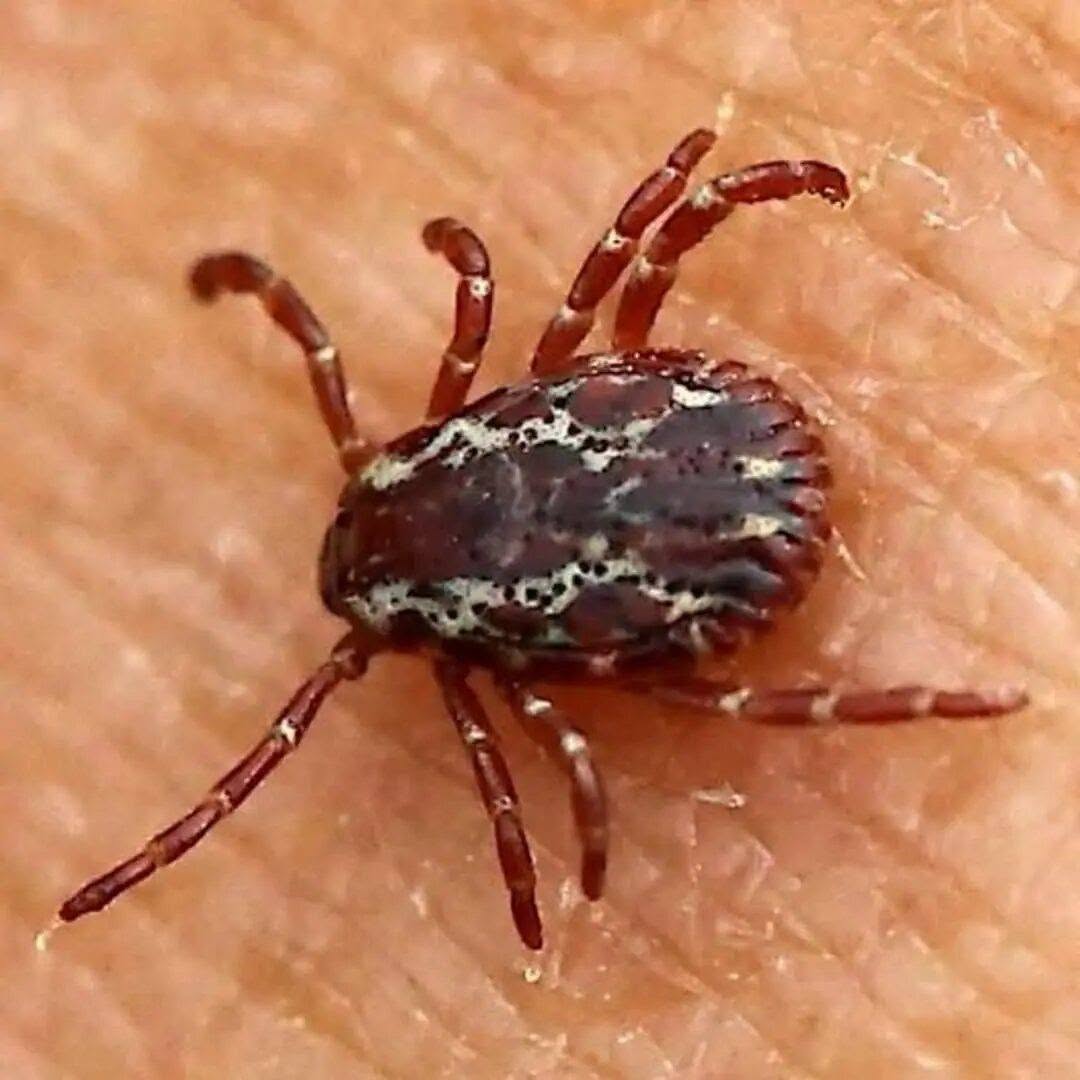
Finding a tick inside your home can be unsettling, especially if you have children or pets. These tiny arachnids feed on blood, and some species can transmit infections to humans and animals.
But finding one tick doesn’t necessarily mean your entire home is infested.
Ticks can enter a house in several ways, particularly by hitching a ride on dogs, cats, clothing, shoes, outdoor equipment, or people after spending time outside.
The important thing is knowing what to do next—and what not to do.
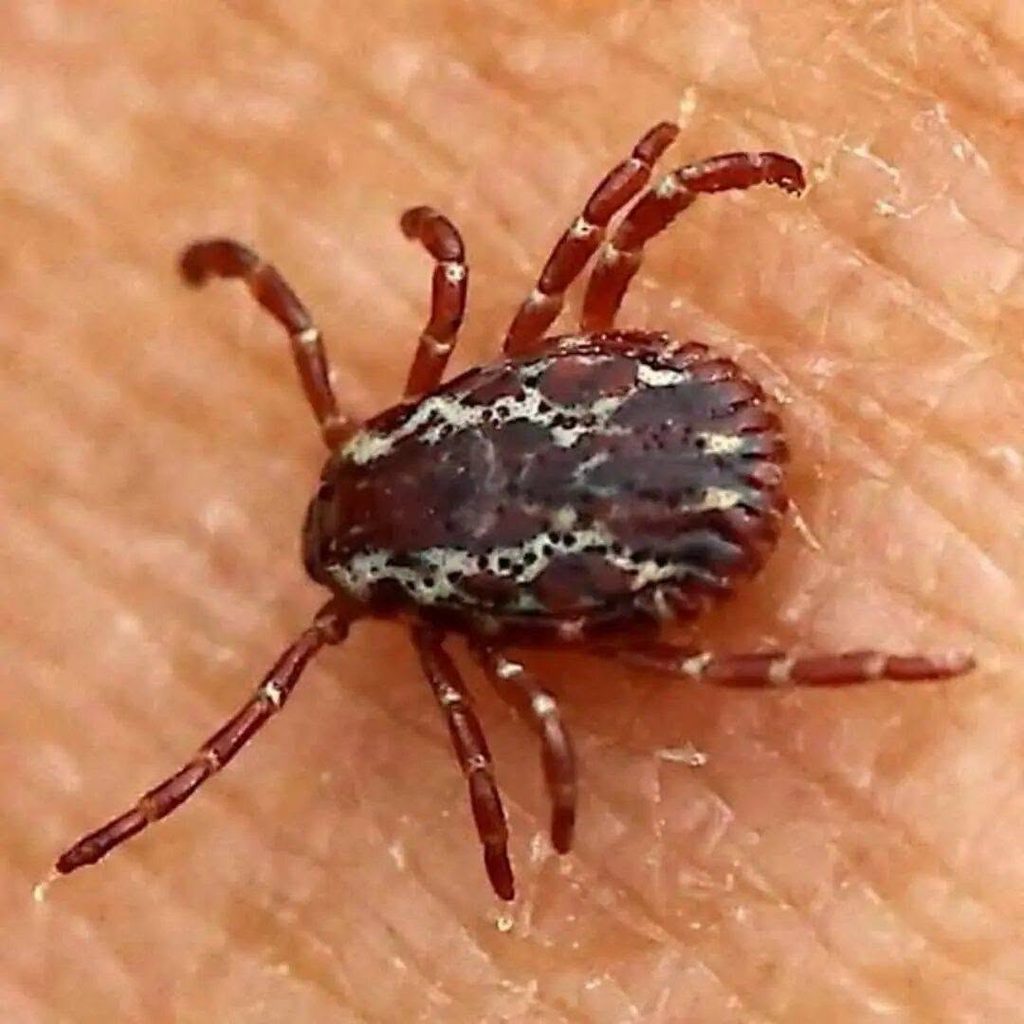
First: Is It Really a Tick?
Ticks are arachnids, meaning they’re related to spiders and mites rather than insects.
Adult ticks generally have eight legs, while their very young larval stage has six.
Their appearance varies significantly depending on species, life stage, and whether they’ve recently fed.
They may be:
- Brown
- Reddish-brown
- Dark brown
- Blackish
- Patterned
- Very small and flat
- Larger and swollen after feeding
A photograph can resemble a tick without being enough to determine the exact species, so identification by an expert may sometimes be useful.
How Do Ticks Get Inside Your Home?
Ticks usually don’t appear because your house is dirty.
They often arrive accidentally.
Pets
Dogs are particularly common tick carriers.
A tick can attach while your dog is walking through:
Tall grass
Bushes
Wooded areas
Parks
Fields
Gardens
The tick may remain attached to the animal or eventually fall off indoors.
People
Ticks can also hitchhike on:
- Pants
- Socks
- Shoes
- Jackets
- Backpacks
After outdoor activities, one may enter the house without being noticed.
Wildlife
Rodents and other animals around a property can also contribute to tick exposure.
Reducing places that attract rodents and other wildlife around the home may therefore help.
What Should You Do If You Find a Tick Indoors?
Don’t panic.
Start with a careful inspection.
Step 1: Check Everyone in the Household
If you’ve found a tick indoors, particularly after outdoor activity, check exposed and hidden areas of the body.
Ticks often attach in less obvious locations.
Check:
Hair and scalp
Behind the ears
Around the waist
Under the arms
Behind the knees
Around the groin
Between the legs
Around the ankles
A shower after outdoor activity can also provide an opportunity to inspect the body carefully.
Step 2: Check Your Pets 🐕
Run your hands slowly through your pet’s coat.
Pay particular attention to:
- Around the ears
- Under the collar
- Around the neck
- Between the toes
- Around the legs
- Under the front legs
- Around the tail
Ticks can be extremely small, so use good lighting.
If you aren’t sure whether a bump is a tick, don’t pull aggressively.
A veterinarian can help.
What If the Tick Is Attached to Your Skin?
Remove it as soon as possible using proper technique.
You’ll need fine-tipped tweezers.
Correct Tick Removal
Grasp the tick as close to the skin’s surface as possible.
Try to hold it by the mouthpart area rather than squeezing its swollen body.
Pull upward with steady, even pressure.
Don’t violently twist or jerk it.
Once removed, clean the bite area and your hands appropriately.
Don’t Crush the Tick With Your Fingers
Avoid squeezing or crushing an attached tick with bare fingers.
If you need to preserve it temporarily for identification, place it in a sealed container or bag.
Otherwise, dispose of it in a way that prevents it from escaping.
Wash your hands afterward.
Don’t Burn an Attached Tick 🔥
One dangerous old-fashioned trick involves touching the tick with:
A hot match
A cigarette
or another heated object.
Don’t do this.
You could burn yourself, and it isn’t the recommended removal method.
Fine-tipped tweezers are much safer.
Don’t Cover It With Random Substances
Another common internet recommendation is covering an attached tick with:
Petroleum jelly
Nail polish
Essential oils
Alcohol
or other substances in an attempt to make it detach.
Don’t delay removal while waiting for these remedies to work.
The recommended approach is prompt mechanical removal with fine-tipped tweezers.
What If Part of the Tick Remains?
Sometimes small mouthparts can remain in the skin.
If they can be removed easily with clean tweezers, you may be able to remove them carefully.
If they can’t be removed easily, don’t repeatedly dig into your skin and cause additional injury.
The skin may eventually expel the remaining material naturally.
If the area becomes increasingly painful, swollen, red, or infected, seek medical advice.
Should You Save the Tick?
You may choose to place the tick in a sealed container or plastic bag.
A photograph can also be useful.
Depending on where you live and your symptoms, a healthcare professional may be interested in knowing what type of tick was involved.
However, don’t delay medical care while trying to identify the tick yourself.
Can Ticks Spread Disease?
Some ticks can transmit pathogens responsible for human and animal illnesses.
The diseases involved vary considerably depending on:
Tick species
Geographic region
How long the tick was attached
Local pathogen prevalence
Not every tick carries disease.
And being bitten by a tick doesn’t automatically mean you’ll become ill.
Still, tick bites deserve appropriate attention.
Symptoms to Watch After a Tick Bite ⚠️
After removing an attached tick, monitor yourself for symptoms.
Seek medical advice if you develop concerning symptoms such as:
Fever
Unusual rash
Increasing headache
Significant fatigue
Muscle or joint aches
Swollen lymph nodes
Neurological symptoms
or other unexplained illness following a tick bite.
Not every tick-related infection produces the same symptoms, and not every rash looks identical.
Tell the healthcare professional that you recently had a tick bite.
Don’t Rely Only on the Famous “Bull’s-Eye” Rash
Many people believe a tick-related illness always causes a perfect red bull’s-eye rash.
That’s an oversimplification.
Rashes can vary, and some infected people may not notice a typical rash at all.
So if you become ill after a known tick bite, don’t dismiss your symptoms simply because you don’t have a perfect circular rash.
What If You Find a Tick on Your Dog? 🐶
If it’s attached, proper removal is also important.
Fine-tipped tweezers or an appropriate tick-removal tool may be used carefully.
Grasp the tick close to the dog’s skin and remove it with steady pressure.
If you’re uncomfortable doing this—or if the tick is in a difficult location—contact your veterinarian.
Afterward, ask about appropriate tick prevention.
Tick Prevention for Pets Is Extremely Important
If your dog repeatedly brings ticks indoors, treating the house alone won’t solve the underlying problem.
Your pet may need an appropriate tick-prevention product.
Options can include:
Oral medications
Topical treatments
Tick collars
or other veterinary products.
The correct choice depends on the animal.
Never assume that a tick product designed for dogs is safe for cats.
Some ingredients used in dog parasite-control products can be dangerous to cats.
Ask a veterinarian which option is appropriate for your pet.
Does One Tick Mean Your House Is Infested?
Usually, not necessarily.
A single tick may simply have been carried inside.
However, finding ticks repeatedly is different.
If you’re regularly discovering ticks:
On floors
Around pet bedding
Near walls
On furniture
On pets
or throughout several rooms, further investigation is warranted.
Certain tick species are better adapted to living and reproducing indoors than others.
Vacuum Thoroughly
If ticks have been found indoors, vacuuming can be a useful first step.
Focus on:
Baseboards
Carpet edges
Under furniture
Cracks and crevices
Pet resting areas
Around doors
Upholstered furniture
Dispose of the vacuum contents appropriately afterward so any collected tick cannot simply crawl back into the house.
Wash Pet Bedding
If your pet spends time outdoors and you’ve found ticks, wash its bedding according to the fabric instructions.
Dry items thoroughly.
Also inspect:
Blankets
Crate bedding
Pet beds
and other frequently used resting areas.
Don’t Spray Random Pesticides Everywhere
Finding a tick can trigger the urge to spray the entire house.
That’s not always necessary and can expose your family and pets to chemicals unnecessarily.
If pesticides are needed, use products specifically labeled for the intended purpose and follow the instructions exactly.
Never assume that using twice as much product will work twice as well.
And don’t mix pesticides with other household chemicals.
Be Extremely Careful Around Children and Pets
Any pest-control product must be stored and used safely.
Keep children and animals away from treated areas for the period specified on the product label.
Never apply household insecticide directly to a pet.
Use veterinary parasite-control products only as directed.
What About Essential Oils?
Essential oils are often promoted online as “natural tick killers.”
Natural doesn’t automatically mean safe.
Concentrated essential oils can irritate skin, and some can be harmful to pets, particularly when used incorrectly.
Don’t cover your pet, furniture, or home with concentrated essential oils as an improvised tick-control strategy.
Inspect Your Yard 🌿
If ticks repeatedly appear on people or pets, look beyond the inside of the house.
Ticks often thrive in areas that provide humidity and protection.
Reducing favorable habitat can help.
Consider:
Keeping grass trimmed
Removing excessive leaf litter
Reducing dense vegetation near frequently used areas
Keeping outdoor sitting areas maintained
Reducing rodent hiding places
Creating a more open, well-maintained environment can make parts of the yard less favorable to some ticks.
Check Yourself After Outdoor Activities
Prevention begins before a tick ever reaches your house.
After walking through grassy, brushy, or wooded environments:
Inspect your clothing
Check your skin
Check children
Inspect pets
Pay particular attention to hidden areas.
Ticks can be tiny and surprisingly easy to miss.
Don’t Forget Your Clothing
Ticks can travel into your house on clothing before attaching to the skin.
After spending time in a tick-prone area, inspect your clothes carefully.
Follow appropriate washing and drying instructions for the garments.
Also check backpacks and outdoor equipment.
Protect Your Ankles and Legs
When spending time in tick-prone areas, clothing can provide an additional physical barrier.
Long pants, closed shoes, and appropriate clothing can reduce exposed skin.
Light-colored clothing can also make crawling ticks easier to notice.
Use Appropriate Repellents
When visiting areas where ticks are common, an appropriate insect repellent can provide additional protection.
Use repellents exactly according to their label instructions, particularly when applying them to children.
Some products are intended for skin, while others are intended for clothing and equipment.
Don’t interchange them.
When Professional Pest Control May Be Necessary
Consider professional pest-control assistance if:
Ticks continue appearing despite cleaning and pet treatment
You find many ticks indoors
You suspect ticks are reproducing inside
You can’t identify where they’re coming from
The problem continues for weeks
A professional can identify the pest and determine whether targeted treatment is necessary.
This is generally more effective than randomly spraying multiple products around the house.
Protecting Children 👶
Children often play close to the ground, where ticks may be encountered.
After outdoor activities, parents can check:
Scalp
Hairline
Behind the ears
Neck
Armpits
Waist
Behind the knees
Ankles
Finding and removing an attached tick promptly is important.
If your child develops illness after a known tick bite, tell the healthcare professional about the exposure.
Protecting Pets 🐕🐈
For households with pets, prevention is one of the most important strategies.
Talk to your veterinarian about a reliable parasite-prevention plan.
Regularly inspect animals after outdoor activity.
Keep pet bedding clean.
And remember:
Never use a dog-only tick treatment on a cat unless a veterinarian confirms it’s safe.
Common Tick Myths
“Ticks only live in forests.”
Not necessarily.
Ticks can be encountered in grassy, brushy, wooded, and other outdoor environments.
“If I find one tick, my house is infested.”
Not necessarily.
One tick may simply have hitchhiked indoors.
“Every tick bite causes disease.”
No.
Not every tick carries pathogens.
“You should burn the tick off.”
No.
Use proper mechanical removal.
“Essential oils are always safer.”
No.
Natural substances can still cause irritation or toxicity.
“A tick bite always causes a bull’s-eye rash.”
No.
Symptoms vary considerably.
A Simple Action Plan
If you find a tick in your house:
1. Remove or contain the tick safely.
2. Check yourself and everyone else in the household.
3. Inspect your pets carefully.
4. Properly remove any attached ticks with fine-tipped tweezers.
5. Clean the bite area.
6. Vacuum areas where pets spend time.
7. Wash pet bedding and heavily used blankets.
8. Review your pet’s tick-prevention plan with a veterinarian.
9. Monitor anyone who was bitten for concerning symptoms.
10. Seek professional pest control if ticks repeatedly appear indoors.
When to Seek Medical Care
Contact a healthcare professional if you’ve had a tick bite and subsequently develop:
- Fever
- A new or expanding rash
- Severe headache
- Significant muscle or joint pain
- Unexplained fatigue
- Neurological symptoms
- Increasing redness or signs of infection around the bite
Depending on the circumstances, location, tick type, and duration of attachment, a clinician can determine whether further evaluation or treatment is appropriate.
The Bottom Line 🕷️🏠
Finding a tick inside your house is worth taking seriously—but it doesn’t automatically mean you have an infestation or that someone will become sick.
The tick may simply have entered on a person, pet, clothing, or outdoor equipment.
Start by checking everyone in the household and carefully inspecting your pets. If a tick is attached, remove it promptly using fine-tipped tweezers and steady upward pressure rather than burning it, crushing it, or covering it with random substances.
Then focus on prevention: keep pet parasite protection up to date, inspect people and animals after outdoor activities, wash pet bedding, vacuum appropriate areas, and reduce tick-friendly habitat around your property.
And if ticks continue appearing inside your home, don’t keep experimenting with stronger DIY chemicals.
Identify the source and consider professional pest-control or veterinary advice.
A calm, systematic response is far more effective than panic.