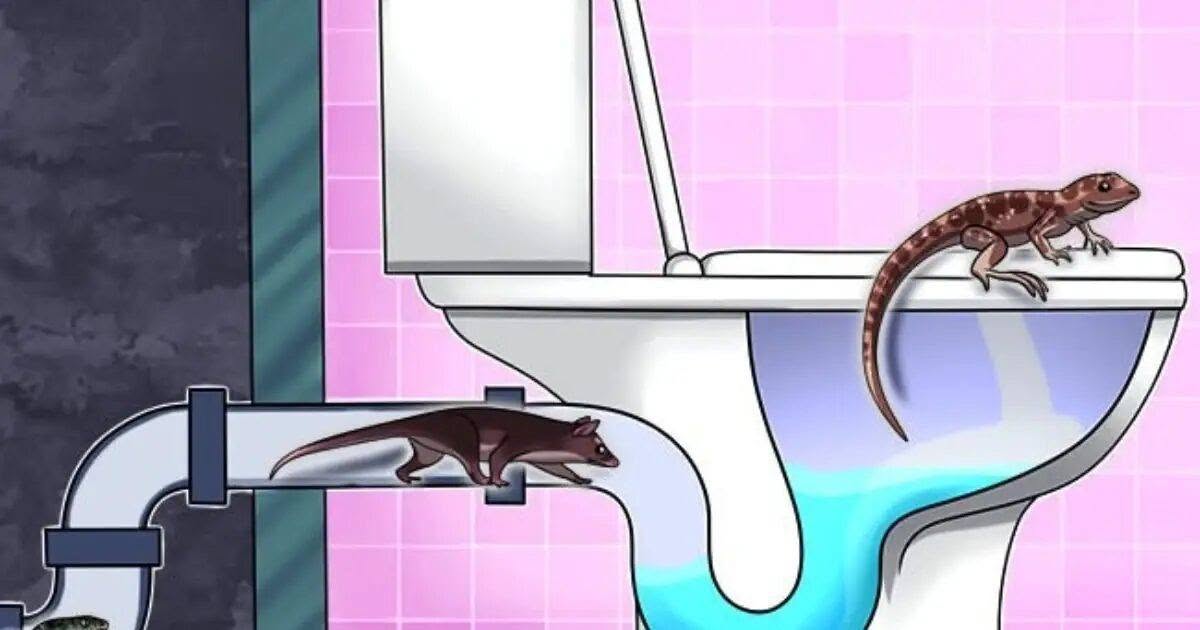
Imagine walking into your bathroom in the middle of the night, turning on the light, and discovering something moving inside or around your toilet.
It sounds like a scene from a movie, but stories about rats, snakes, frogs, lizards, and other small animals appearing in toilets regularly circulate online.
That raises an unsettling question:
Can an animal actually travel through plumbing and emerge from a toilet?
In certain circumstances, yes, it can happen. However, it is unusual, and the likelihood depends heavily on the animal, the plumbing system, local wildlife, and the condition of the home’s drains and sewer connections.
Here’s how it can happen—and what homeowners can do to reduce the risk.
How Could an Animal Enter a Toilet?
A toilet isn’t simply connected to an open pipe.
Its plumbing contains a curved section called a trap, which holds water and creates a barrier between your bathroom and the drainage system.
That water barrier is one reason sewer gases normally don’t enter your home.
But it isn’t necessarily an impossible physical barrier for every animal.
Some animals are capable swimmers, while others may enter damaged or poorly protected parts of a drainage system and eventually find their way toward a toilet.
Rats Are Surprisingly Capable Swimmers 🐀
Rats are probably the animal most commonly associated with stories about toilets.
They are agile, adaptable and capable of moving through surprisingly confined spaces.
In areas where rats have access to sewer systems, they may travel through pipes while searching for food, shelter or an escape route.
That doesn’t mean a rat is likely to appear in the average toilet.
But if a building has pest problems, damaged sewer lines or vulnerable plumbing connections, unusual encounters can occasionally happen.
What About Snakes? 🐍
Stories of snakes appearing in toilets tend to generate even more attention.
In some regions, snakes may enter homes through openings around plumbing, damaged drains, ventilation systems or other structural gaps.
A snake found near a toilet doesn’t automatically prove that it traveled all the way through the sewer system.
It may have entered the building somewhere else and simply ended up in the bathroom.
This distinction is important because social-media posts often assume the most dramatic explanation without knowing how the animal actually entered.
Frogs and Lizards Can Appear Too 🐸🦎
Small reptiles and amphibians sometimes find their way into bathrooms, especially in warmer climates.
They may enter through:
- Gaps around pipes
- Open windows
- Ventilation openings
- Floor drains
- Damaged screens
- Cracks around doors
- Poorly sealed plumbing penetrations
Because bathrooms provide moisture, they can be attractive places for certain small creatures.
Again, seeing one near the toilet doesn’t necessarily mean it climbed through the toilet itself.
Why Plumbing Condition Matters
Well-maintained plumbing makes unwanted entry less likely.
Problems can arise when there are:
Cracked pipes
Broken drain covers
Open sewer connections
Damaged seals
Poorly protected vents
Unused or improperly maintained drains
Older homes and buildings with deteriorated plumbing may have more potential entry points than newer, properly sealed systems.
One Important Prevention Step: Fix Plumbing Problems
If you’ve noticed repeated pest activity around drains, don’t simply keep removing the animals.
Look for the source.
A plumber may be able to inspect the drainage system and identify damaged pipes, loose fittings, broken seals or other openings.
If rodents are involved, a pest-control professional may also be useful.
The goal should be preventing entry rather than repeatedly dealing with animals after they get inside.
Keep Drain Covers in Good Condition
Floor drains, outdoor drains and other drainage openings should have appropriate covers where required.
Broken or missing covers can provide an easier route for pests.
Check areas such as:
- Bathrooms
- Basements
- Garages
- Laundry rooms
- Outdoor drainage areas
If a cover is cracked or missing, replace it with something suitable for that specific drain.
Seal Gaps Around Plumbing
Take a look underneath sinks and around pipes entering walls or floors.
Sometimes you’ll find surprisingly large gaps around plumbing penetrations.
Those spaces can become entry routes for insects and small animals.
Appropriate sealing can help reduce pest access while also making the home look cleaner.
However, don’t block required ventilation or drainage openings.
If you’re unsure what should be sealed, ask a plumber or qualified contractor.
Keep Food Sources Under Control 🍽️
Rodents don’t usually enter homes because they’re interested in toilets.
They’re looking for things such as:
Food
Water
Shelter
Warmth
Keep food in closed containers, clean crumbs and spills, secure garbage and avoid leaving pet food accessible overnight.
Reducing available food can make your property less attractive to rodents in the first place.
Check the Exterior of Your Home
Sometimes the bathroom isn’t the original entry point.
Walk around the exterior and look for:
- Damaged vents
- Openings around utility lines
- Cracks
- Broken screens
- Gaps around doors
- Unprotected drainage openings
Pest prevention often works best when you think about the entire building, rather than only the toilet.
Does Closing the Toilet Lid Help?
Keeping the toilet lid closed when it isn’t being used is a reasonable hygiene habit and provides an additional physical barrier.
However, it shouldn’t be treated as a complete pest-control solution.
If animals are actually entering through the plumbing system, the underlying access point should be investigated and corrected.
A closed lid addresses the symptom—not necessarily the cause.
What Should You Do If You Find an Animal in Your Toilet? 😳
First, don’t panic.
Avoid reaching into the bowl or trying to grab an unfamiliar animal with your bare hands.
Some animals may bite or scratch when frightened.
Keep children and pets away from the bathroom.
If possible, close the bathroom door to prevent the animal from moving into other areas of the house.
Then contact an appropriate professional, such as local animal control, pest control or a plumber, depending on the animal and situation.
Should You Just Flush It?
Trying to solve the problem by repeatedly flushing isn’t necessarily a good idea.
You may not know what animal you’re dealing with, whether it can return, or whether there’s an underlying plumbing problem.
If an animal has genuinely entered through the drainage system, discovering how it gained access is more useful than simply trying to send it back.
What If It Happens More Than Once?
One unusual incident could be just that—unusual.
Repeated incidents deserve more attention.
If you repeatedly find animals or signs of rodents around toilets, drains or plumbing areas, consider having both the plumbing and the property inspected.
Look for evidence such as:
- Droppings
- Gnaw marks
- Scratching noises
- Unusual odors
- Damaged drain covers
- Gaps around pipes
- Repeated animal sightings
These clues can help identify where the problem begins.
Don’t Pour Random Chemicals Down the Toilet
When people become worried about pests in drains, they sometimes pour bleach, pesticides or mixtures of household chemicals into the toilet.
That’s not a good DIY pest-control strategy.
Some chemicals can damage plumbing, while mixing cleaning products can create dangerous fumes.
Never mix household chemicals unless the product instructions explicitly say it’s safe.
A physical plumbing or pest problem usually requires a physical solution.
Are Toilet Animal Stories Common?
No.
The internet can make rare events appear much more common than they really are.
One unusual photograph can be shared thousands of times, making people think the same thing is happening everywhere.
Millions of people use toilets every day without ever encountering an animal inside one.
So there’s no reason to become afraid of using your bathroom.
The sensible response is simply to maintain your plumbing and address pest problems when they appear.
Why Older Plumbing May Need More Attention
Plumbing systems age like everything else in a house.
Over time, pipes can:
- Crack
- Shift
- Corrode
- Develop loose connections
- Become damaged by tree roots
- Lose protective covers
These issues don’t automatically mean animals will enter.
But damaged infrastructure can create opportunities for pests and can also cause much more common problems such as leaks, odors and blockages.
That’s why periodic plumbing maintenance can be worthwhile.
Outdoor Drains Matter Too
Homeowners often focus exclusively on the toilet while ignoring what happens outside.
Outdoor drainage and sewer access points can be important.
Make sure appropriate covers remain intact and don’t leave unnecessary openings that could allow pests to enter drainage systems.
If you notice rats frequently around outdoor drains, garbage areas or sewer openings, consider professional pest-control advice.
A Simple Home Prevention Checklist 🏠
You don’t need to turn your house into a fortress.
A few practical habits can make a difference:
Inspect visible plumbing for leaks or damage.
Repair broken drain covers.
Seal unnecessary gaps around pipes.
Keep food and garbage properly stored.
Maintain screens and exterior openings.
Keep the toilet lid closed when not in use if you prefer.
Address rodent activity early.
Have recurring drainage problems professionally inspected.
These measures help with many household pests—not only the rare possibility of an animal appearing in a toilet.
Don’t Let Viral Images Scare You
Pictures showing rats, snakes or lizards climbing dramatically out of toilets are designed to grab attention.
Some may be illustrations or staged images rather than photographs of actual incidents.
Even when an incident is real, one unusual case doesn’t mean the same thing is likely to happen in your home.
The useful lesson isn’t:
“Be afraid every time you open the toilet.”
It’s:
“Maintain your plumbing and don’t ignore signs of pests.”
That’s much more practical.
The Bottom Line 🚽🐀
Yes, under unusual circumstances, certain small animals can potentially enter homes through drains, plumbing systems or openings around pipes.
But finding an animal in a bathroom doesn’t automatically prove that it traveled through the sewer and climbed out of the toilet.
Animals may also enter through cracks, vents, windows, damaged drain covers or gaps around plumbing.
The best protection is straightforward:
Maintain your plumbing, repair damaged drains, seal unnecessary openings, control food waste and address rodent or pest problems promptly.
And if you ever lift the toilet lid and find an unexpected visitor staring back at you?
Don’t reach for it.
Close off the room, keep children and pets away, and get appropriate professional help.
Because while the chances may be small, that’s one bathroom surprise nobody wants to handle with their bare hands. 😳🚽