An electric kettle is one of the simplest appliances in the kitchen. Fill it with water, switch it on, wait a few minutes, and you’re done.
Because we use kettles so routinely, it’s easy to forget that they combine electricity, very hot water, steam, and a high-powered heating element in one small appliance.
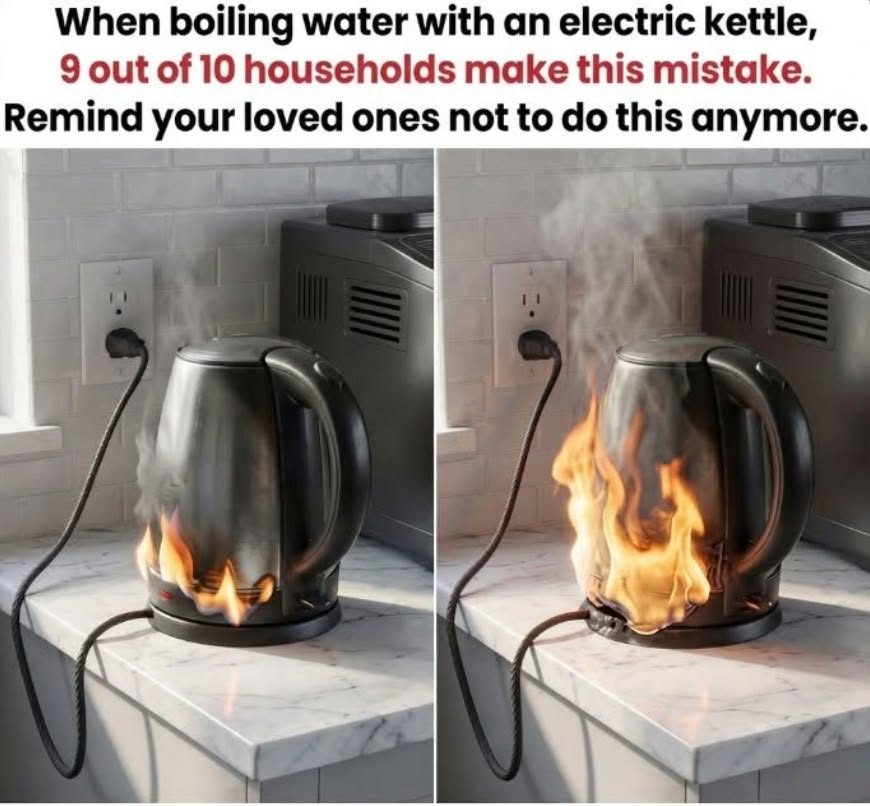
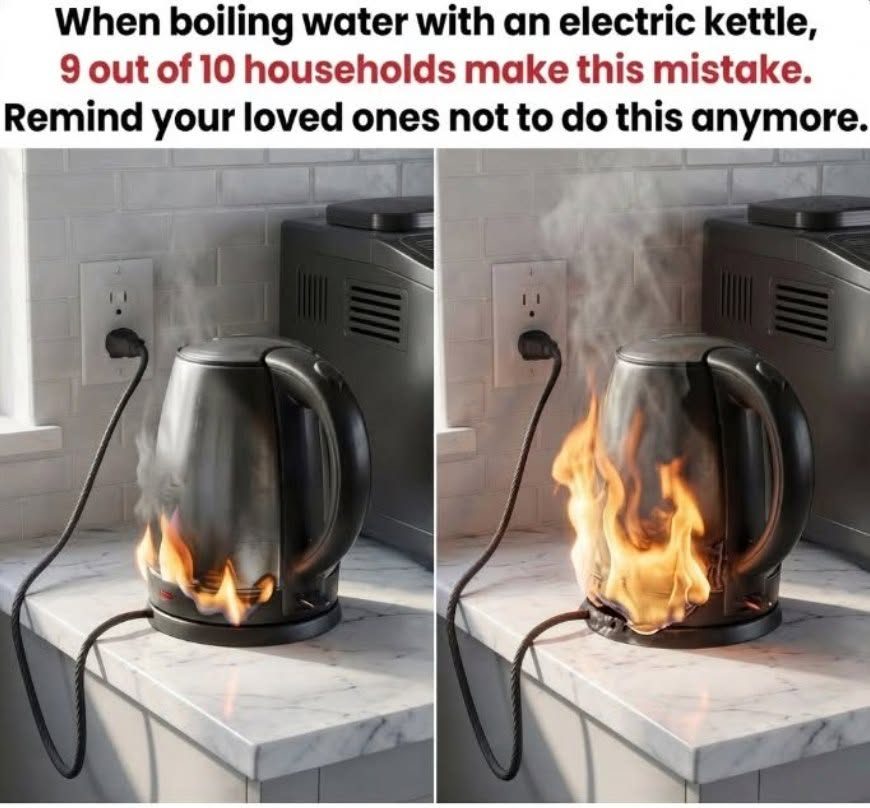
You may have seen viral posts claiming that “9 out of 10 households make this dangerous kettle mistake.” That statistic shouldn’t be taken literally without evidence. However, there really are several common kettle habits worth avoiding.
Here are the mistakes that actually matter.
1. Filling the Kettle Above the MAX Line
One of the easiest mistakes is simply adding too much water.
The maximum-fill mark isn’t there just to tell you the kettle’s capacity. Leaving adequate space helps boiling water and steam remain safely contained.
Overfilling can increase the chance of boiling water escaping through the spout or lid.
Always stay at or below the MAX indicator and follow the instructions for your specific model.
2. Boiling Too Little Water
The opposite can also be a problem.
Some kettles specify a minimum water level. Running a heating appliance with insufficient water can cause overheating.
Many modern kettles include boil-dry protection, which automatically switches the appliance off when there isn’t enough water. Electrical Safety First specifically recommends this safety feature.
Even with this protection, don’t deliberately run your kettle empty.
3. Ignoring a Damaged Cord or Plug 🔌
Take a quick look at your kettle’s cable and plug occasionally.
Warning signs include:
- Frayed or exposed wires
- Burn or scorch marks
- A plug or socket becoming unusually hot
- Buzzing or crackling sounds
- Sparks
- A persistent burning smell
Electrical Safety First recommends regularly checking kettle plugs, sockets, and cables for signs of damage. If you notice burning smells, sparking, or unusual noises, unplug the kettle and stop using it.
Don’t continue using a damaged appliance because “it still works.”
4. Letting Water Reach the Electrical Base
With cordless kettles, the jug lifts away from an electrical base.
That base needs to stay dry.
Avoid placing the kettle immediately beside a sink where splashes are common, and don’t set a dripping-wet kettle onto its powered base.
Electrical Safety First recommends keeping electric kettles away from sinks and other liquids that could spill onto them.
If you’ve spilled a significant amount of water over an electrical base, disconnect the power safely and don’t use the appliance until it is completely dry and safe to operate.
5. Using the Kettle With Wet Hands
Water and mains electricity are a bad combination.
Avoid plugging in, unplugging, or operating electrical equipment with wet hands. General kitchen electrical-safety guidance specifically warns against touching switches or electrical equipment when your hands are wet.
Dry your hands first.
It takes only a few seconds.
6. Opening the Lid While Water Is Boiling ♨️
Steam can cause serious burns.
Don’t put your face or hands above the kettle while it’s boiling, and don’t unnecessarily open the lid during or immediately after boiling.
When pouring, keep your hands away from the steam escaping from the spout.
Also remember that the outside of some kettles—particularly stainless-steel models—can become extremely hot. Electrical Safety First warns against touching the outside of a hot kettle.
Use the handle.
7. Leaving the Cord Hanging Over the Counter
A dangling cable can turn a kettle into a serious burn hazard.
A child—or even an adult walking past—could pull the cord and bring a kettle full of near-boiling water off the counter.
Keep the cable safely away from the edge and out of children’s reach. Electrical Safety First specifically recommends positioning kettle cables so children and pets can’t tug them.
8. Ignoring Limescale Buildup
If you live in an area with hard water, you may eventually notice a chalky white deposit inside your kettle.
That’s limescale.
Regular descaling can help maintain the kettle and its heating performance.
But don’t pour random household chemicals into the kettle because you saw a cleaning hack online. Follow the manufacturer’s cleaning instructions and use products appropriate for descaling kettles.
Electrical Safety First advises following the manufacturer’s cleaning guidance rather than using unsuitable cleaners inside the appliance.
After descaling, rinse thoroughly according to the product instructions.
9. Continuing to Use a Cracked or Faulty Kettle
This is probably the mistake worth taking most seriously.
If your kettle:
Leaks
Sparks
Smells like burning
Makes unusual electrical noises
Trips your circuit breaker
Has visible cracks or electrical damage
stop using it.
Don’t keep switching it back on to “see if it happens again.”
Electrical Safety First recommends immediately unplugging kettles showing damage, sparking, unusual smells, or electrical faults and contacting the retailer or manufacturer.
Could an Electric Kettle Really Cause a Fire?
A properly functioning kettle used according to its instructions shouldn’t spontaneously burst into flames like the dramatic image in the Facebook post.
The picture should therefore not be interpreted as showing what normally happens when someone makes a simple kettle mistake.
However, defective electrical appliances can present genuine fire hazards.
There have been real kettle recalls involving defective heating elements that could produce sparks and create a potential fire risk.
There have also been recalls and safety warnings involving other kettle defects, including electrical faults and dangerous releases of hot steam or liquid.
So electrical appliance safety isn’t something to ignore—the viral imagery is simply much more dramatic than normal kettle use.
Should You Unplug Your Kettle After Every Use?
If your manufacturer’s instructions recommend unplugging it when not in use, follow them.
Electrical Safety First also recommends unplugging electric kettles when they aren’t being used.
At minimum, don’t leave a faulty or suspicious appliance connected to the power supply.
What About Boiling the Same Water Twice?
You may have heard another viral warning:
“Never reboil water in your kettle.”
For ordinary safe drinking water, simply boiling it twice isn’t inherently dangerous.
The more useful habit is to boil only approximately as much water as you need.
It saves time and electricity and avoids repeatedly heating an unnecessarily full kettle.
Don’t Use the Kettle for Things It Wasn’t Designed For
Unless the manufacturer specifically says otherwise, an ordinary electric kettle is designed for water.
Don’t use it to boil:
- Milk
- Soup
- Eggs
- Pasta
- Oil
- Sauces
These substances can foam, overflow, burn onto the heating surface, or interfere with the appliance’s normal operation.
If you want an appliance capable of cooking food, use one specifically designed for that purpose.
Where Should You Place Your Kettle?
Choose a:
Stable
Flat
Dry
Heat-resistant
surface.
Keep it away from the edge of the countertop.
Keep the electrical connection away from water.
And position the cable so nobody can accidentally pull it.
Also avoid placing the kettle where escaping steam repeatedly hits cabinets or other surfaces.
Be Especially Careful Around Children 👶
A kettle doesn’t need to catch fire to cause a serious injury.
Hot water itself is dangerous.
Keep the kettle and cable well away from children, and don’t leave a full kettle where a child could grab the handle or pull the cord.
The safest position is toward the back of a stable counter with the cable securely out of reach.
A 20-Second Safety Check
Before switching your kettle on, quickly check:
Water: Is it between the MIN and MAX marks?
Base: Is it dry?
Cable: Is it undamaged and safely positioned?
Kettle: Are there cracks or leaks?
Plug/socket: Any burning smell, discoloration, or unusual heat?
Position: Is the kettle stable and away from the counter edge?
That’s usually all it takes.
The Bottom Line
Electric kettles are generally convenient and safe when they’re functioning correctly and used according to their instructions. Many modern models also include useful safeguards such as automatic shut-off and boil-dry protection.
The important mistakes to avoid aren’t mysterious “secret dangers.”
They’re simple:
Don’t overfill the kettle.
Don’t run it without enough water.
Keep the electrical base dry.
Keep the cable away from children.
Avoid touching hot surfaces and escaping steam.
Regularly inspect the cord and plug.
And never continue using a kettle that sparks, leaks, smells burnt, or appears damaged.