A “flat stomach” is one of the most common promises in diet posts online. You may see lists claiming that avoiding 10 specific foods will somehow melt belly fat in days.
The reality is more useful—and less dramatic.
No single food automatically creates belly fat, and eliminating one food cannot specifically burn fat from your stomach. Body weight is influenced by overall calorie intake, physical activity, sleep, health conditions, medications, hormones, genetics, age, and other factors.
That doesn’t mean food choices are irrelevant. Certain foods and drinks are easy to consume in large amounts while providing lots of calories, added sugar, saturated fat, or relatively little fiber and protein. Eating less of these foods can make healthy weight management considerably easier.
Here are 10 categories worth limiting—without turning your diet into an unnecessarily restrictive “never eat this again” plan.
First: Belly Fat and Bloating Aren’t the Same Thing
Before changing your diet, understand what you’re trying to change.
Abdominal fat is body fat stored around the abdomen. It develops gradually when energy intake exceeds what your body uses over time.
Bloating, on the other hand, can make your abdomen temporarily feel or look larger because of digestive gas, stool, fluid, or other gastrointestinal factors.
A meal can make you feel bloated tonight without having suddenly created a meaningful amount of abdominal fat.
Likewise, losing body fat is a gradual process—not something that happens because of a “detox” drink or one special breakfast.
The CDC notes that gradual weight loss—about 1 to 2 pounds per week—is more likely to be maintained than rapid weight loss.
1. Sugar-Sweetened Soft Drinks
Regular soda is an easy place to start.
Sugary drinks can deliver substantial calories without providing the same fullness you might get from solid, nutrient-dense foods.
Frequently drinking soda, sweetened iced tea, fruit drinks, energy drinks, or other sugar-sweetened beverages can therefore make it easier to consume more calories than you realize.
NIDDK specifically recommends choosing water instead of drinks containing added sugar when trying to manage weight.
Try instead: water, sparkling water without added sugar, or unsweetened tea or coffee.
2. Sugary Coffee Drinks
Coffee itself isn’t necessarily the problem.
What transforms it into a dessert can be the large amounts of flavored syrup, sugar, whipped cream, sweetened creamers, caramel sauces, and other additions.
Some oversized café drinks can contribute a surprising number of calories.
You don’t necessarily have to give up coffee.
Instead, reduce the added sugar, choose a smaller serving, or simplify what goes into the cup.
Small changes repeated every day can matter much more than a dramatic diet followed for only a week.
3. Candy and Sugary Sweets
Candy, gummies, chocolate bars and similar sweets can pack a lot of added sugar and calories into a small serving.
That doesn’t mean one piece of chocolate causes belly fat.
NIDDK specifically notes that people trying to lose weight don’t have to eliminate every favorite food; small amounts of higher-calorie foods can fit into an overall weight-management plan.
The important words are amount and frequency.
Instead of eating directly from a large package, portion out what you intend to eat.
4. Cakes, Cookies, Doughnuts and Pastries
Many desserts combine refined flour, added sugar and substantial amounts of fat.
That combination can make them calorie-dense and easy to overeat.
Think of pastries as occasional treats rather than foods that must be permanently forbidden.
If you eat dessert every evening, reducing the frequency or portion can make a meaningful difference without requiring an extreme diet.
NIDDK recommends limiting foods and beverages high in sugar and choosing small portions of high-calorie treats.
5. Fried Fast Foods
French fries, fried chicken, fried appetizers and similar foods can become highly calorie-dense because frying adds fat.
Restaurant portions can also be much larger than what you would normally serve yourself at home.
NIDDK suggests choosing grilled, baked, steamed or broiled options instead of fried foods when possible.
That doesn’t mean fat itself is the enemy.
Healthy dietary fats can absolutely be part of a balanced diet. The goal is to pay attention to the overall meal, preparation method and portion size.
6. Chips and Highly Processed Snack Foods
Potato chips, cheese-flavored snacks and similar packaged foods can be extremely easy to eat past the point of hunger.
The package itself can also disguise how much you’re consuming.
A large bag may contain several servings.
NIDDK recommends checking Nutrition Facts labels for both serving size and calories and, when buying large packages, dividing snacks into smaller portions rather than eating directly from the package.
A practical alternative might be fruit, vegetables with hummus, plain or lower-sugar yogurt, or a controlled portion of nuts.
7. Large Portions of Refined Grain Foods
White bread, pastries and many refined-grain products aren’t inherently “belly-fat foods.”
Carbohydrates themselves don’t need to be eliminated to lose weight.
In fact, CDC guidance emphasizes that consuming a variety of healthy foods is preferable to eliminating an entire food category such as carbohydrates.
The better strategy is often to choose fiber-rich whole grains more frequently and pay attention to portions.
Examples include oatmeal, brown rice, whole-grain bread and other minimally processed grain foods.
CDC’s current healthy-eating guidance recommends prioritizing fiber-rich whole grains as part of nutritious meals.
8. Oversized Restaurant Meals
Sometimes the problem isn’t a specific food at all.
It’s the portion.
Restaurant meals can contain substantially more food than someone would normally prepare at home.
NIDDK suggests strategies such as sharing a meal, taking half home, choosing smaller sizes, checking calorie information when available, and stopping when comfortably full.
You can therefore eat at restaurants while working toward weight-loss goals.
You simply need a strategy that doesn’t turn every restaurant visit into an enormous calorie surplus.
9. Heavy Sauces, Creamy Dressings and Condiments
A healthy-looking meal can change considerably depending on what gets poured over it.
Large amounts of creamy dressing, mayonnaise-based sauces, cheese sauce, butter or other calorie-dense additions can significantly increase a meal’s energy content.
You don’t have to eat dry salads forever.
Ask for dressing or sauce on the side and add only as much as you actually enjoy.
NIDDK specifically recommends requesting sauces and salad dressings on the side when eating away from home.
10. Sugary Desserts You Eat Without Being Hungry
Ice cream, cheesecake and other desserts aren’t automatically forbidden.
But there’s a difference between enjoying dessert occasionally and eating a large dessert every night simply because it has become routine.
One useful question is:
“Am I actually hungry, or am I eating because I’m bored, stressed, watching television, or following a habit?”
If dessert is important to you, keep it.
Just consider reducing the portion or frequency.
A sustainable diet usually works better than one built around an endless list of forbidden foods.
What Should You Eat Instead?
Instead of focusing entirely on what you’re “not allowed” to eat, build meals around foods that provide nutrients and help with fullness.
Current CDC healthy-eating guidance emphasizes vegetables, fruits, protein foods, dairy without added sugars, healthy fats and whole grains while limiting highly processed foods, added sugars and excessive saturated fat.
A practical plate might contain plenty of vegetables, a source of protein such as eggs, fish, chicken, beans, lentils, tofu or lean meat, an appropriate portion of a fiber-rich carbohydrate, and some healthy fat.
Whole fruit can also be especially useful. CDC notes that whole fruit contains fiber that helps with fullness and recommends choosing it over fruit juice.
Don’t Be Afraid of Fruit
One of the stranger internet diet trends is telling people to avoid bananas, apples, watermelon or other fruit because they contain sugar.
Whole fruit is not equivalent to soda or candy.
Fruit comes packaged with water, fiber, vitamins and other nutrients.
For most people trying to improve their diet, replacing calorie-dense snacks with whole fruits and vegetables is far more sensible than eliminating fruit because it contains naturally occurring sugar. CDC specifically recommends fruits and vegetables as part of a healthy weight-management eating pattern.
You Don’t Have to Stop Eating Bread
Bread doesn’t magically travel to your abdomen and become belly fat.
Weight management depends much more on the overall dietary pattern and total energy balance.
Choose whole-grain options more often when practical, consider portion size, and look at what accompanies the bread.
Two slices of whole-grain toast with eggs and vegetables are nutritionally very different from a huge pastry and a sugar-loaded coffee, even though both contain carbohydrates.
Protein Can Make Meals More Satisfying
Protein-rich foods can be incorporated throughout the day.
CDC’s 2026 guidance recommends prioritizing protein foods at meals and eating a variety of sources, including meat, poultry, seafood, eggs, beans, peas, lentils, nuts, seeds and soy foods.
Rather than eating a tiny salad and becoming extremely hungry two hours later, build a balanced meal that actually satisfies you.
Can You Specifically Burn Belly Fat?
This is where many viral posts become misleading.
You can’t simply tell your body:
“Take the next five pounds exclusively from my stomach.”
Where your body tends to store and lose fat is influenced by factors including genetics, age, sex and hormones.
A sustainable reduced-calorie eating pattern and regular activity can reduce overall body fat over time, but the exact order in which different areas become leaner varies from person to person.
NIDDK describes successful weight-loss programs as including a healthy reduced-calorie eating plan, appropriate physical activity and strategies that can be maintained long term.
What About Visceral Fat?
Not all abdominal fat is identical.
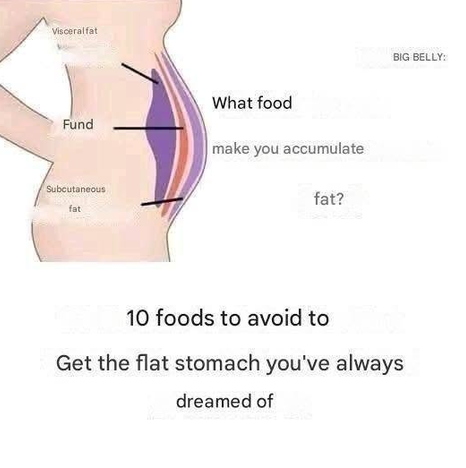
Subcutaneous fat sits beneath the skin.
Visceral fat is stored deeper inside the abdomen around internal organs.
This distinction matters medically because excess abdominal and visceral fat can be associated with metabolic health risks.
But the solution still isn’t a special tea, spice, fruit or “belly-fat-burning” food.
Overall weight management, nutritious eating, physical activity, sleep and other health behaviors matter much more.
Exercise Matters Too
Trying to change abdominal appearance using diet alone overlooks an important part of healthy weight management.
Regular physical activity supports cardiovascular health, fitness and weight management.
A combination of aerobic activity and resistance training can be particularly useful for overall health and preserving or building muscle.
And no, doing hundreds of crunches doesn’t selectively burn the fat sitting directly above your abdominal muscles.
Abdominal exercises can strengthen the muscles, but fat loss requires broader changes.
Sleep and Stress Matter More Than People Think
Food isn’t the entire story.
CDC guidance includes healthy eating, physical activity, adequate sleep and stress management as components of healthy weight loss.
Someone can spend enormous energy searching for the “perfect” food while sleeping five hours a night and struggling with habits that make consistent eating difficult.
Focus on the entire lifestyle rather than one supposedly magical ingredient.
A Simple Day of Eating for Weight Management
You don’t need an exotic “flat belly” menu.
Breakfast could be eggs with vegetables and whole-grain toast, or plain yogurt with oats and fruit.
Lunch might include grilled chicken or beans, a large serving of vegetables and a moderate portion of rice or another whole grain.
For a snack, choose whole fruit, yogurt, vegetables with hummus, or a modest portion of nuts.
Dinner might be fish, chicken, tofu or lentils with vegetables and potatoes, brown rice or another carbohydrate you enjoy.
Water can be your primary beverage.
Dessert can still fit occasionally.
The goal isn’t dietary perfection.
It’s a pattern you can realistically maintain.
Foods That Cause Bloating Are Different for Everyone
If your stomach looks flatter in the morning and significantly larger after meals, part of what you’re noticing may be bloating rather than body fat.
Different people have different digestive triggers.
Carbonated beverages can increase gas for some people. Large meals can temporarily distend the abdomen. Certain fermentable carbohydrates may cause symptoms in people with irritable bowel syndrome. Lactose can cause bloating in people who don’t digest it well.
But don’t eliminate multiple nutritious food groups based on a viral list.
Persistent or severe bloating deserves appropriate medical evaluation, especially when accompanied by pain, vomiting, blood in the stool, unexplained weight loss or other concerning symptoms.
The Biggest Mistake: Trying to Lose Weight Too Quickly
Promises such as “lose 10 pounds in one week” or “melt belly fat in three days” may sound attractive, but they’re not a good foundation for sustainable weight management.
CDC guidance says people who lose weight gradually—about 1 to 2 pounds per week—are more likely to keep it off than those who lose weight faster.
NIDDK also emphasizes realistic goals and notes that an initial target of roughly 5% to 10% of starting body weight within six months is commonly recommended in successful weight-loss programs.
Slow progress is still progress.
Frequently Asked Questions
What food causes the most belly fat?
There isn’t one food that uniquely targets the stomach. Regularly consuming more calories than your body uses can contribute to weight gain, while foods and drinks high in calories, added sugar and fat can make excess intake easier.
Should I stop eating carbohydrates to lose belly fat?
Not necessarily. CDC guidance specifically notes that eating a variety of healthy foods is better than eliminating an entire category such as carbohydrates.
Should I avoid fruit because it contains sugar?
For most people, no. Whole fruit provides fiber and nutrients and is part of a healthy eating pattern.
Is diet soda better than regular soda?
Replacing a high-calorie sugary beverage can reduce sugar and calorie intake, but water remains an excellent everyday beverage. Your overall dietary pattern matters more than one drink.
Can lemon water burn belly fat?
There is no good evidence that lemon water selectively burns abdominal fat. If it helps you replace a high-calorie sugary drink with water, that substitution can be useful—but the lemon itself isn’t melting fat.
Does skipping meals help?
Not necessarily. Skipping meals can make some people extremely hungry and lead to overeating later. NIDDK recommends regular meals as one strategy for managing portions and avoiding excessive hunger.
Can I eat dessert while losing weight?
Yes. Small portions of favorite higher-calorie foods can still fit within a weight-loss plan.
Do I have to count every calorie?
No. CDC notes that constantly counting calories isn’t necessary, although understanding your approximate energy needs and portion sizes can be helpful.
Final Thoughts
If you want to reduce excess abdominal fat, don’t build your entire strategy around a viral list of “forbidden foods.”
Start with the habits that make the biggest difference.
Drink fewer sugar-sweetened beverages. Reduce oversized portions. Eat highly processed snacks and desserts less frequently. Choose vegetables, whole fruits, protein foods and fiber-rich whole grains more often. Stay physically active. Get adequate sleep. And choose a plan you can realistically maintain for months and years—not three miserable days.
Most importantly, remember:
You don’t need to ban bread, fruit, rice, potatoes or every food you enjoy to make progress.
Sustainable weight management is about your overall eating pattern, not finding one ingredient to blame for your stomach.