Have you ever looked at the back of your hands and suddenly noticed that your veins seem much more visible than they used to be?
For some people, the veins appear blue or green beneath the skin. For others, they become raised and prominent enough to look like cords running across the hands and forearms.
Social-media posts sometimes suggest that visible veins reveal a hidden health problem or a specific condition. But the reality is much more nuanced.
Visible veins on the hands are very common and, in many cases, completely harmless. Aging, naturally thin skin, low body fat, exercise and genetics can all make superficial veins easier to see. However, a vein that suddenly becomes painful, red, warm, hard or swollen deserves medical attention.
Why Can You See the Veins in Your Hands?
Your body contains a network of blood vessels that continuously transports blood.
Some veins are located relatively close to the surface of your skin. These are called superficial veins.
The skin on the back of the hands is relatively thin, so these vessels can become particularly noticeable.
The important point is that visibility alone doesn’t necessarily indicate disease.
Let’s look at some of the most common explanations.
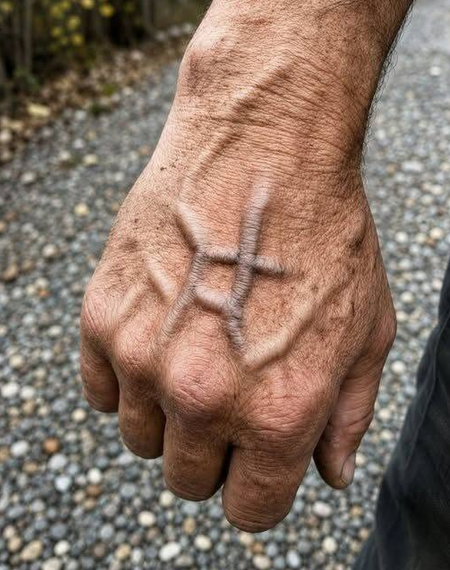
1. Aging Can Make Hand Veins More Visible
One of the biggest reasons hand veins become prominent is simply getting older.
As we age, the skin changes.
It can become thinner and less elastic, while the hands also lose some of the fat and volume that previously concealed underlying structures.
Cleveland Clinic explains that age-related loss of fat and elasticity can make the skin on the hands more translucent.
As a result, veins, tendons and bones may become increasingly noticeable.
So if you’ve gradually noticed more prominent veins over many years—without pain, redness or swelling—normal aging may be part of the explanation.
2. Low Body Fat Can Make Veins Stand Out
There’s another simple explanation: less tissue between the vein and the surface of the skin.
People with relatively low body fat may have particularly noticeable veins on their:
- Hands
- Forearms
- Arms
- Feet
- Legs
Cleveland Clinic notes that as body-fat percentage decreases, veins can become more prominent, particularly on the hands and arms.
This is one reason visible veins are common among lean individuals and athletes.
It doesn’t automatically mean anything is wrong with their circulation.
3. Exercise Can Temporarily Make Your Veins Bulge
Have you noticed that your veins become much more visible during or immediately after exercise?
That’s common.
Physical activity increases blood flow, and muscles can become temporarily fuller during exercise.
People who regularly lift weights may also develop more muscle and lower levels of subcutaneous fat, making superficial veins particularly noticeable.
Cleveland Clinic lists intense exercise as one reason veins in the hands and arms may bulge or become more visible.
If your veins become prominent during exercise and settle afterward without other symptoms, this is generally different from a suddenly painful or inflamed vein.
4. Genetics Can Play a Role
Some people simply have more visible veins than others.
You may notice that your parents or siblings have similarly prominent veins.
Differences in:
skin thickness, body composition, vein position and other inherited physical characteristics
can influence how visible superficial veins appear.
Two healthy people of the same age and weight can therefore have dramatically different-looking hands.
5. Heat Can Make Veins Look More Noticeable
You may notice your veins becoming more prominent on hot days or after being somewhere warm.
Blood vessels can widen as the body regulates temperature.
This can make superficial vessels easier to see temporarily.
When the body cools, their appearance may become less pronounced again.
6. Very Thin Skin Makes Veins Easier to See
The amount of tissue covering a vein matters.
If your skin is naturally thin or has become thinner with age, the veins beneath it become easier to see.
This is especially obvious on the hands because age-related changes can reduce both skin elasticity and underlying volume.
This doesn’t mean the veins themselves suddenly became unhealthy.
Sometimes they simply became more visible through the tissue covering them.
7. Could They Be Varicose Veins?
Prominent veins and varicose veins aren’t necessarily the same thing.
Varicose veins are widened, swollen veins that can become twisted or rope-like.
They’re most commonly associated with the legs, although prominent or abnormal veins can occur elsewhere. The NHS describes varicose veins as swollen, twisted veins under the skin and notes that they’re usually not serious.
Cleveland Clinic explains that weakened superficial veins and increased pressure can stretch veins and interfere with the valves that normally help blood return toward the heart.
A healthcare professional can evaluate a newly enlarged or unusual vein if you’re uncertain about what you’re seeing.
Does Having Visible Veins Mean You Have Good Circulation?
Not necessarily.
This is a common internet claim.
Some people assume that visible veins prove their circulation is excellent.
Others assume visible veins mean circulation is poor.
Neither conclusion can reliably be made from appearance alone.
Visible veins can simply result from superficial vein location, thin skin, aging, exercise or body composition.
Poor circulation tends to produce other symptoms.
Cleveland Clinic lists possible symptoms of impaired circulation including pain, numbness, tingling or coldness in the affected extremities.
So you cannot diagnose circulation quality by looking at hand veins alone.
Does It Mean You Have High Blood Pressure?
Visible hand veins aren’t a reliable way to diagnose high blood pressure.
Blood pressure should be measured properly with an appropriate device.
You shouldn’t assume you have hypertension simply because the veins on your hands look prominent.
Likewise, you shouldn’t assume your blood pressure is normal because your veins aren’t visible.
Does It Mean You’re Dehydrated?
Visible veins alone don’t diagnose dehydration either.
Hydration and environmental conditions can influence the appearance of the skin and circulation, but prominent veins have many possible explanations.
If you’re concerned about dehydration, evaluate the broader situation and symptoms rather than using the appearance of one vein as a diagnostic test.
Why Are My Veins Blue or Green When Blood Is Red?
Your blood isn’t blue or green.
Human blood is red.
Veins can appear blue, green or purple through the skin because of the way light interacts with and travels through skin and underlying tissues.
Skin tone, vessel depth and lighting can all affect the color you perceive.
So a green-looking hand vein doesn’t contain green blood.
When Visible Veins May Need Medical Attention
Most gradually visible hand veins aren’t an emergency.
What matters more is whether the appearance is accompanied by new symptoms.
Cleveland Clinic recommends medical evaluation when prominent veins are associated with:
pain, redness or discoloration, warmth, swelling or bleeding.
Those symptoms are very different from a painless vein that has simply become more visible over time.
Watch for a Painful, Red or Hard Vein
A superficial vein that suddenly becomes:
red + warm + tender + swollen
shouldn’t simply be dismissed as a cosmetic problem.
One possible explanation is superficial thrombophlebitis, which involves inflammation and a blood clot in a superficial vein.
Mayo Clinic describes symptoms including warmth, tenderness, pain, redness and swelling. Sometimes the affected vein feels like a red, hard cord beneath the skin.
That requires medical assessment rather than a home remedy based on appearance.
What About Sudden Hand or Arm Swelling?
Sudden unexplained swelling deserves attention as well.
The NHS advises urgent medical assessment when swelling of the arm or hand has no obvious cause, is severe or painful, starts suddenly, or is accompanied by redness or warmth.
Again, the concern isn’t simply that a vein is visible.
It’s the combination of a new vascular change and symptoms.
When Is It an Emergency?
Seek emergency medical care if symptoms suggesting a blood clot are accompanied by:
shortness of breath, chest pain or coughing up blood.
These can be warning signs of a pulmonary embolism and require immediate attention.
Don’t wait to see whether those symptoms disappear on their own.
Are Spider Veins the Same Thing?
No.
Spider veins are small visible blood vessels that often appear red, blue or purple and may form branching or web-like patterns.
Cleveland Clinic notes that spider veins can occur on the legs, hands or face and are generally harmless themselves, although they can sometimes accompany underlying venous problems.
A large raised hand vein is therefore different from a network of tiny spider veins.
Can Visible Hand Veins Be Removed?
If the veins are healthy but bother you cosmetically, there are medical cosmetic options.
However, treatment shouldn’t begin with trying to destroy or collapse veins yourself.
A dermatologist, vascular specialist or other qualified clinician can first determine whether the veins are simply prominent superficial veins or represent another vascular issue.
Treatment options depend on the vein’s size, location and underlying cause.
Don’t Try Viral DIY Vein Remedies
You may encounter internet recipes claiming that certain creams, oils, herbs or kitchen ingredients can permanently make visible veins disappear.
Be skeptical.
A superficial vein is an anatomical blood vessel beneath your skin.
Rubbing a homemade mixture over the surface isn’t going to safely restructure your circulatory system.
And if a vein is suddenly painful, swollen or inflamed, attempting to treat it cosmetically could delay proper medical evaluation.
Can You Prevent Hand Veins From Becoming More Visible?
You can’t completely control genetics or aging.
But general cardiovascular and skin health still matter.
Regular physical activity supports healthy circulation. Avoiding tobacco is also important because smoking damages blood vessels. Cleveland Clinic recommends regular movement and avoiding tobacco as part of maintaining vascular health.
For the appearance of aging hands, moisturizing and sun protection can help protect the skin itself. Cleveland Clinic recommends both as part of hand care.
None of these measures guarantees invisible veins—and invisible veins aren’t a health goal in themselves.
Why Do Older People’s Hands Often Look So Veiny?
This is primarily a combination of normal structural changes.
Over time, hands can lose:
fat + collagen-related support + skin elasticity + overall volume.
The structures underneath become easier to see.
That’s why an older person’s hands may show veins and tendons dramatically even when there is no vascular disease.
Cleveland Clinic specifically notes that aging hands lose fat and elasticity, creating thinner, more translucent-looking skin.
Why Do Bodybuilders Have Extremely Visible Veins?
Bodybuilders often have several factors working together:
Greater muscle mass can push superficial veins closer to the surface.
Exercise increases blood flow.
And low levels of body fat reduce the amount of tissue covering those veins.
That’s why vascularity can become particularly pronounced during training.
Cleveland Clinic identifies both intense exercise and lower body-fat levels as common reasons veins become more prominent.
Frequently Asked Questions
Is it normal to see veins on your hands?
Yes. Visible hand veins are common and are often harmless, particularly when they’ve developed gradually and aren’t painful, red, warm or swollen.
Why are my hand veins suddenly more visible?
Exercise, heat and changes in body composition can affect visibility. Aging also makes veins easier to see. A sudden unexplained change—especially with pain, redness, warmth or swelling—should be assessed medically.
Are visible veins a sign of being healthy?
Not by themselves. Visible veins don’t reliably prove either excellent or poor health.
Do visible veins mean you’re very fit?
Athletes may have prominent veins because of exercise, muscle development and lower body fat, but non-athletes can have them too.
Why are my veins becoming more visible as I age?
Skin becomes thinner and hands lose some fat and elasticity with age, making underlying veins easier to see.
Should I worry about a painful visible vein?
A painful vein—particularly one that’s red, warm, swollen or hard—should be evaluated. Those symptoms can occur with thrombophlebitis.
Can visible veins mean a blood clot?
Ordinary visible veins aren’t proof of a clot. However, blood clots can cause symptoms including pain, swelling, warmth and redness depending on their location.
The Bottom Line
If the veins on your hands are clearly visible, don’t automatically assume something is wrong.
For many people, prominent hand veins are simply the result of normal anatomy, aging, thinner skin, exercise or lower body fat.
The appearance shown in a photograph alone cannot diagnose a medical condition.
What matters most is how the veins changed and whether you have other symptoms.
A painless vein that has gradually become more visible is very different from one that suddenly becomes swollen, painful, red, warm, hard or tender.
If you develop those symptoms, seek medical advice. And if swelling or pain occurs together with chest pain or shortness of breath, seek emergency medical care.
So the viral headline “If you have visible veins, it means you are…” doesn’t have one dramatic ending.
Sometimes, visible veins simply mean your veins are visible.