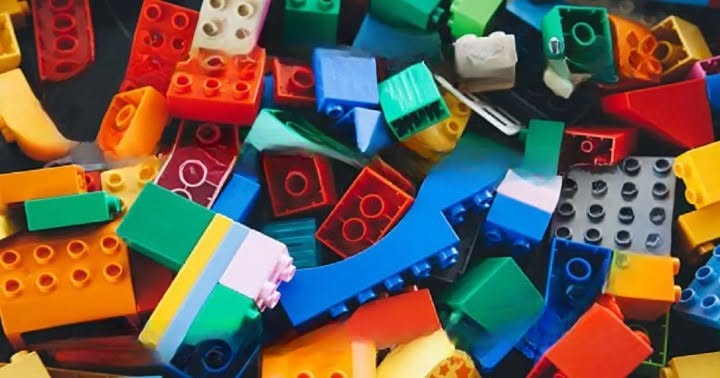
A colorful pile of building blocks can mean hours of fun for a child. But sometimes, something hidden among the toys can turn an ordinary playtime into a frightening moment for the entire family.
A social media post featuring a pile of colorful plastic building bricks recently caught attention with a short, mysterious caption:
“My kid was in shock.”
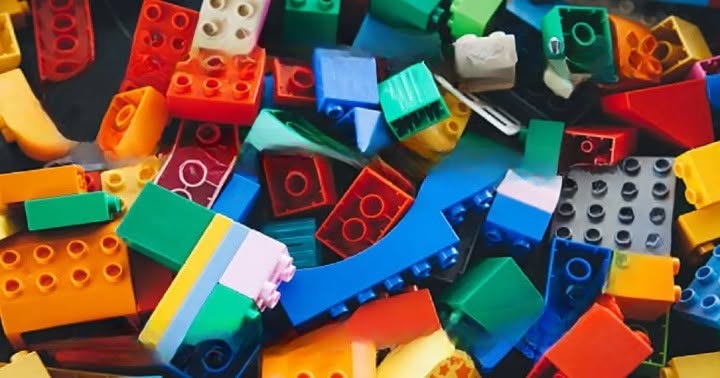
The photograph shows brightly colored toy bricks scattered together, but the post does not explain what happened or why the child was shocked.
Was something unusual hidden among the pieces? Did the child discover a damaged toy? Or was the reaction caused by something entirely different?
Without more information, the answer remains unknown.
Still, the image raises an important subject that many parents overlook: the potential hazards hidden in children’s toy boxes.
From small detachable pieces to damaged plastic, loose magnets, button batteries, and toys that are not appropriate for a child’s age, everyday playthings can sometimes present unexpected risks.
Fortunately, many of these hazards can be reduced through simple precautions.
Here is what parents should know about building bricks, toy safety, and the warning signs that deserve immediate attention.
Why Building Blocks Are So Popular With Children
Colorful interlocking bricks have been a childhood favorite for generations.
They encourage children to use their imagination, experiment with shapes, and create their own miniature worlds.
A simple collection of blocks can become a house, car, castle, spaceship, or imaginary city.
Building toys also provide several developmental benefits.
Children can practice fine motor skills while picking up and connecting pieces.
They can develop spatial awareness by understanding how shapes fit together.
They can also strengthen problem-solving skills through trial and error.
For many families, building blocks are more than toys.
They are part of childhood memories.
However, the same features that make some construction toys appealing—small parts, detachable components, and complex accessories—can also introduce risks.
The level of risk depends on the child’s age, the specific product, and how it is used.
10 Hidden Toy Hazards Every Parent Should Know
1. Small Pieces Can Become Choking Hazards
One of the most important concerns with small building bricks is choking.
Young children naturally explore objects by putting them in their mouths.
A small plastic component may become lodged in the airway.
This is especially concerning for children younger than three years old.
Toy manufacturers often include age recommendations and choking-hazard warnings for products containing small parts.
Parents should take these warnings seriously.
Even when an older sibling can safely use a particular toy, younger children in the household may still be at risk.
Keep small building pieces away from babies and toddlers.
If a child is choking and cannot breathe, cry, or cough effectively, call emergency services and begin age-appropriate choking first aid.
Do not blindly sweep a finger inside the child’s mouth.
2. Broken Plastic Can Have Sharp Edges
Building bricks are designed to withstand repeated use, but they are not indestructible.
Pieces may crack after being stepped on, crushed, or exposed to excessive force.
Broken plastic can create sharp edges.
These may scratch or cut the skin.
A damaged piece may also break into smaller fragments that are easier to swallow.
Inspect toys periodically.
If a brick is cracked, unusually brittle, or has a sharp edge, remove it from the play area.
3. Tiny Accessories May Be Easy to Swallow
Some construction sets include miniature accessories such as wheels, decorative pieces, connectors, or small character components.
These may be significantly smaller than the main building blocks.
Children sometimes place these objects in their mouths while concentrating on play.
The safest approach is to match toys to the child’s developmental stage.
Do not assume that every piece in a construction set is suitable for every child.
4. Loose Magnets Can Be Extremely Dangerous
Certain construction toys use magnets.
Magnets can make building activities exciting, but small, powerful magnets require special attention.
If a child swallows two or more magnets—or a magnet and another metal object—the pieces may attract one another through different sections of the digestive tract.
This can cause serious internal injury.
Possible complications include intestinal perforation, obstruction, and infection.
Suspected magnet ingestion requires immediate medical evaluation, even if the child initially appears well.
Do not wait for abdominal pain or vomiting to develop.
Not all interlocking plastic bricks contain magnets, but parents should inspect mixed toy collections for magnetic accessories or unrelated magnetic toys.
5. Button Batteries May Be Hidden in Electronic Toys
Some toys contain lights, sounds, or moving components powered by small batteries.
Button and coin batteries can cause severe internal injury if swallowed.
A battery lodged in the esophagus can cause tissue damage rapidly.
Always check that battery compartments are securely fastened.
Keep loose batteries away from children.
If you suspect a child has swallowed a button battery, seek emergency medical care immediately.
Do not induce vomiting.
6. Dirty Toys Can Carry Germs
Children frequently handle toys, place them on floors, and share them with friends.
Over time, building blocks may collect dust, dirt, food residue, and microorganisms.
The risk is higher when toys are shared by multiple children or frequently placed in mouths.
Regular cleaning can help maintain hygiene.
However, there is no need to sterilize every toy after every use.
The goal is sensible, routine cleaning.
7. Mixed Toy Collections Can Hide Unexpected Objects
Many families store toys in large containers.
Over time, different sets become mixed together.
A box of building blocks may also contain:
- Coins.
- Loose batteries.
- Broken accessories.
- Small magnets.
- Jewelry pieces.
- Screws.
- Food crumbs.
- Unidentified objects.
Children may not recognize the difference between a toy component and a potentially dangerous object.
Occasionally emptying and inspecting toy containers can help parents identify these hazards.
8. Counterfeit or Poorly Manufactured Toys May Raise Concerns
Not all construction toys are manufactured to the same standards.
Products from unreliable sources may lack appropriate safety testing, labeling, or quality controls.
Some may have poorly fitting parts, brittle plastic, or inadequate warnings.
When purchasing toys, look for clear manufacturer information, appropriate age labeling, and applicable safety certifications.
Avoid products with unexplained damage, strong chemical odors, or missing safety information.
A strong odor alone does not prove that a toy is toxic, but it may justify contacting the manufacturer or discontinuing use until the issue is clarified.
9. Toys Left on the Floor Can Cause Falls
Anyone who has stepped barefoot on a small building brick knows how painful it can be.
But the concern is not limited to foot discomfort.
Scattered pieces can create slipping or tripping hazards.
This is particularly relevant for younger children, older adults, and anyone with mobility difficulties.
Encourage children to clean up after play.
Use designated storage containers and keep walkways clear.
10. Toys Can Become Unsafe When Used Outside Their Intended Age Range
Age recommendations are not simply marketing suggestions.
They often reflect the size of components, complexity of assembly, and potential hazards.
A set designed for an older child may contain pieces that are unsuitable for a toddler.
Parents should consider both the age label and the child’s individual behavior.
A child who frequently places objects in their mouth may need additional supervision even if they are older than the minimum age listed.
What Should You Do if Your Child Finds Something Strange in Their Toys?
Discovering an unfamiliar object in a toy box can be unsettling.
The first step is to stay calm.
Ask the child to stop playing with the object until it has been identified.
Inspect it without unnecessarily handling sharp or potentially hazardous materials.
If the item appears to be a broken toy component, remove it from the play area.
If you suspect it is a battery, magnet, medication, or chemical product, keep it out of children’s reach.
If the child may have swallowed something dangerous, seek medical advice immediately.
A photograph may help identify the object, but do not delay emergency care while searching online.
Ask Your Child What Happened
Children may have difficulty explaining why something frightened them.
Ask simple questions:
“What did you find?”
“Where was it?”
“Did you put anything in your mouth?”
“Did something hurt you?”
Avoid leading questions or assumptions.
Listen carefully to their answers.
If they report swallowing an object, take the concern seriously.
How to Clean Building Bricks Safely
Building toys can become dirty after repeated use.
Fortunately, most ordinary non-electronic plastic bricks can be cleaned with mild soap and water.
Always check the manufacturer’s instructions first.
Step 1: Separate Electronic Components
Remove batteries and keep electronic pieces away from water unless the manufacturer specifically states that they are washable.
Step 2: Prepare Warm, Soapy Water
Fill a container with lukewarm water and a small amount of mild dish soap.
Avoid excessively hot water, which may warp certain plastics.
Step 3: Wash the Bricks Gently
Use a soft cloth or brush to remove visible dirt.
Pay attention to recessed areas where debris may collect.
Step 4: Rinse Thoroughly
Rinse away soap residue with clean water.
Step 5: Allow the Pieces to Dry Completely
Spread the bricks on a clean towel in a well-ventilated area.
Allow them to dry thoroughly before returning them to storage.
Moisture trapped inside enclosed pieces may encourage unpleasant odors or microbial growth.
Step 6: Inspect Before Storing
Look for cracks, loose parts, or signs of damage.
Discard damaged pieces that could create a hazard.
Avoid using harsh chemicals, solvents, or high temperatures unless the manufacturer explicitly approves them.
Can You Put Building Bricks in the Dishwasher?
This is a common question.
Although it may seem convenient, dishwashers can expose toys to high temperatures and strong detergents.
These conditions may damage or deform some plastic components.
For many traditional building bricks, handwashing is the safer choice.
Follow the manufacturer’s cleaning recommendations.
Do not put electronic, motorized, or battery-powered components in the dishwasher.
How Often Should Children’s Toys Be Cleaned?
There is no universal schedule that applies to every household.
Cleaning frequency depends on how the toys are used.
For example, toys may need cleaning sooner if:
- A child has placed them in their mouth.
- They have become visibly dirty.
- Food or drinks have spilled on them.
- They are shared frequently.
- They have been used outdoors.
- Someone in the household has a contagious illness.
Routine handwashing and keeping play areas clean are also important.
How to Organize a Toy Box to Reduce Risks
A well-organized play area can make it easier to identify missing or damaged components.
Use Separate Containers for Different Age Groups
Keep small construction pieces away from toys intended for toddlers.
If older and younger siblings share a room, store small components in a secure location.
Sort Small Accessories
Use compartments or labeled containers for tiny parts.
This makes it easier to notice unusual objects.
Inspect Toys Regularly
Check for cracks, missing pieces, damaged battery compartments, and loose magnets.
Keep Batteries and Tools Separate
Never store spare batteries, screws, or repair tools inside children’s toy containers.
Encourage Cleanup After Play
Teach children to return pieces to their containers when finished.
This reduces clutter and helps prevent falls.
What If Your Child Swallows a Building Brick?
The response depends on the object’s size, shape, and whether the child has symptoms.
Some small, smooth objects may pass through the digestive system without complications.
However, others may cause choking or become lodged.
Seek immediate emergency help if the child has difficulty breathing, persistent choking, severe pain, repeated vomiting, or trouble swallowing.
Any suspected ingestion of a button battery, multiple magnets, or a magnet with a metal object requires urgent medical evaluation, even without symptoms.
Do not induce vomiting.
Do not give food or drink to force the object down.
If you are uncertain what was swallowed, contact a healthcare professional or poison control service for guidance.
Why Do Viral Toy Photos Cause So Much Concern?
Social media posts often use short, emotional captions to attract attention.
A colorful toy photograph paired with a statement such as “My kid was in shock” naturally creates curiosity.
Readers may wonder whether something dangerous was discovered.
But photographs without sufficient context can also lead to speculation.
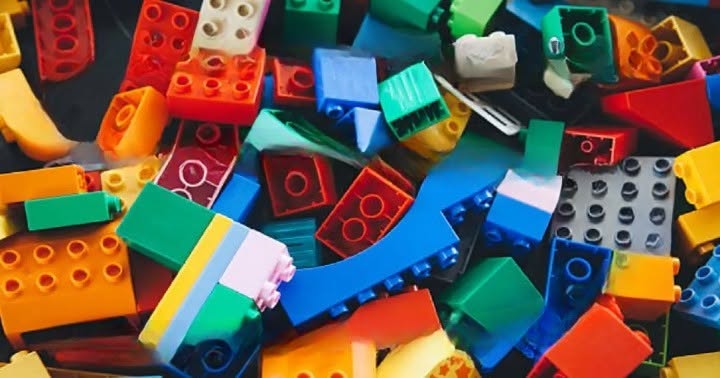
In this case, the image does not provide enough evidence to establish what happened.
There is no visible confirmed hazard or explanation for the child’s reaction.
It would be misleading to claim that the photograph proves a particular dangerous discovery.
The more useful lesson is to recognize that ordinary toy collections deserve occasional safety checks.
Parents do not need to be frightened of every toy.
They simply need to know what to look for.
How Building Toys Support Child Development
Despite the potential hazards of inappropriate or damaged toys, construction play can offer meaningful benefits.
When age-appropriate and used safely, building toys encourage learning through exploration.
Fine Motor Development
Connecting and separating pieces helps children practice controlled finger and hand movements.
Problem-Solving Skills
Children experiment with different designs and learn how to correct mistakes.
Creativity
A small collection of pieces can be transformed into countless imaginary structures.
Spatial Reasoning
Building encourages children to think about size, shape, balance, and positioning.
Patience and Persistence
Complex creations often require repeated attempts.
Children learn that mistakes are part of the process.
Social Skills
Building together can encourage communication, sharing, and cooperation.
These benefits are valuable, and they are not a reason to ignore safety concerns.
Instead, parents can support both creative play and sensible precautions.
Frequently Asked Questions
Are Building Bricks Safe for Children?
Age-appropriate building bricks from reputable manufacturers are generally safe when used according to instructions. Small parts can pose choking hazards for young children.
Can a Child Choke on a Small Building Piece?
Yes. Small pieces can obstruct the airway, especially in toddlers and children who put objects in their mouths.
What Should I Do if I Find a Strange Object in a Toy Box?
Remove the object from the child’s reach, identify it if possible, and check whether it poses a choking, cutting, chemical, magnetic, or battery-related hazard.
Are Magnets in Toys Dangerous?
Small, powerful magnets can be extremely dangerous if swallowed, particularly when more than one magnet is involved.
Can Plastic Building Blocks Be Washed?
Many ordinary non-electronic plastic bricks can be handwashed with mild soap and lukewarm water. Follow the manufacturer’s instructions.
Can Building Bricks Go in the Washing Machine?
Machine washing may damage some pieces or cause them to become trapped in the machine. Manufacturer-approved handwashing is generally preferable.
Should Parents Disinfect Toys Every Day?
Not necessarily. Cleaning should be based on use, visible dirt, contamination, and the household’s circumstances.
Are Cheap Building Toys Always Unsafe?
Not necessarily. Price alone does not determine safety. Look for appropriate testing, manufacturer information, and compliance with applicable standards.
Why Do Children Put Small Toys in Their Mouths?
Young children naturally explore objects through touch and oral exploration. This is one reason small-parts restrictions are important.
What If My Child Is Frightened by Something Found in Their Toys?
Stay calm, listen to what happened, remove any potential hazard, and reassure the child. Seek medical assistance if injury or ingestion is suspected.
A Simple Five-Minute Toy Safety Checklist
Parents can use this quick routine to inspect a play area.
1. Check for broken pieces. Remove cracked plastic or sharp fragments.
2. Look for small objects. Keep choking hazards away from younger children.
3. Inspect electronic toys. Make sure battery compartments are secure.
4. Check for loose magnets. Remove damaged magnetic toys immediately.
5. Clean and organize. Store toys by age group and keep walkways clear.
A few minutes of attention can help prevent avoidable accidents.
Final Thoughts: Sometimes the Biggest Surprise Is Hidden in an Ordinary Toy Box
A pile of colorful building blocks may look completely harmless.
And in most cases, it is simply a collection of toys waiting to become a child’s next creative project.
But the viral photograph accompanied by the words “My kid was in shock” reminds us how quickly an ordinary moment can raise questions.
Because the original post provides no explanation, we cannot know what caused the child’s reaction.
What we can do is use the moment to talk about toy safety.
Small pieces, damaged plastic, loose magnets, unsecured batteries, and unexpected objects mixed into toy containers all deserve attention.
Fortunately, many risks can be reduced with age-appropriate toys, supervision, routine inspections, and safe storage.
The goal is not to take the fun out of childhood. It is to make sure children can explore, build, and imagine in a safer environment.
The next time you see a pile of colorful bricks scattered across the floor, take a moment to look through them.
You may find nothing more than the pieces of an unfinished castle.
But checking occasionally is a simple habit worth keeping.
What About Your Family?
Have you ever found something unexpected hidden inside your child’s toy box?
A missing object? A broken toy? Something that didn’t belong there?
Share your experience in the comments. Your story might help another parent recognize a potential hazard before an accident happens.