Feeling like your chest is full of mucus? Constantly clearing your throat or coughing up thick phlegm? You’re not alone. Excess mucus can be uncomfortable, especially when it interferes with breathing, sleeping, or everyday activities. Fortunately, several simple home-care methods may help loosen mucus, soothe irritated airways, and make it easier to clear phlegm naturally.
That uncomfortable feeling of mucus stuck in your throat can be frustrating.
You cough repeatedly, drink water, and try to clear your chest, but the sensation keeps returning.
Sometimes, the mucus is thick and sticky.
Other times, it feels like something is constantly dripping down the back of your throat.
And when you lie down at night, the problem may become even more noticeable.
Many people immediately search for natural remedies that promise to clear their lungs overnight.
But here’s something important to understand:
Mucus isn’t always a bad thing. In fact, your body produces it to protect you.
The goal isn’t to eliminate mucus completely. It’s to help your body manage excess mucus while addressing whatever is causing it.
In this guide, we’ll explore 15 practical ways to relieve mucus discomfort, common causes of phlegm buildup, remedies that may help, and warning signs that shouldn’t be ignored.
What Is Phlegm, and Why Does Your Body Produce It?
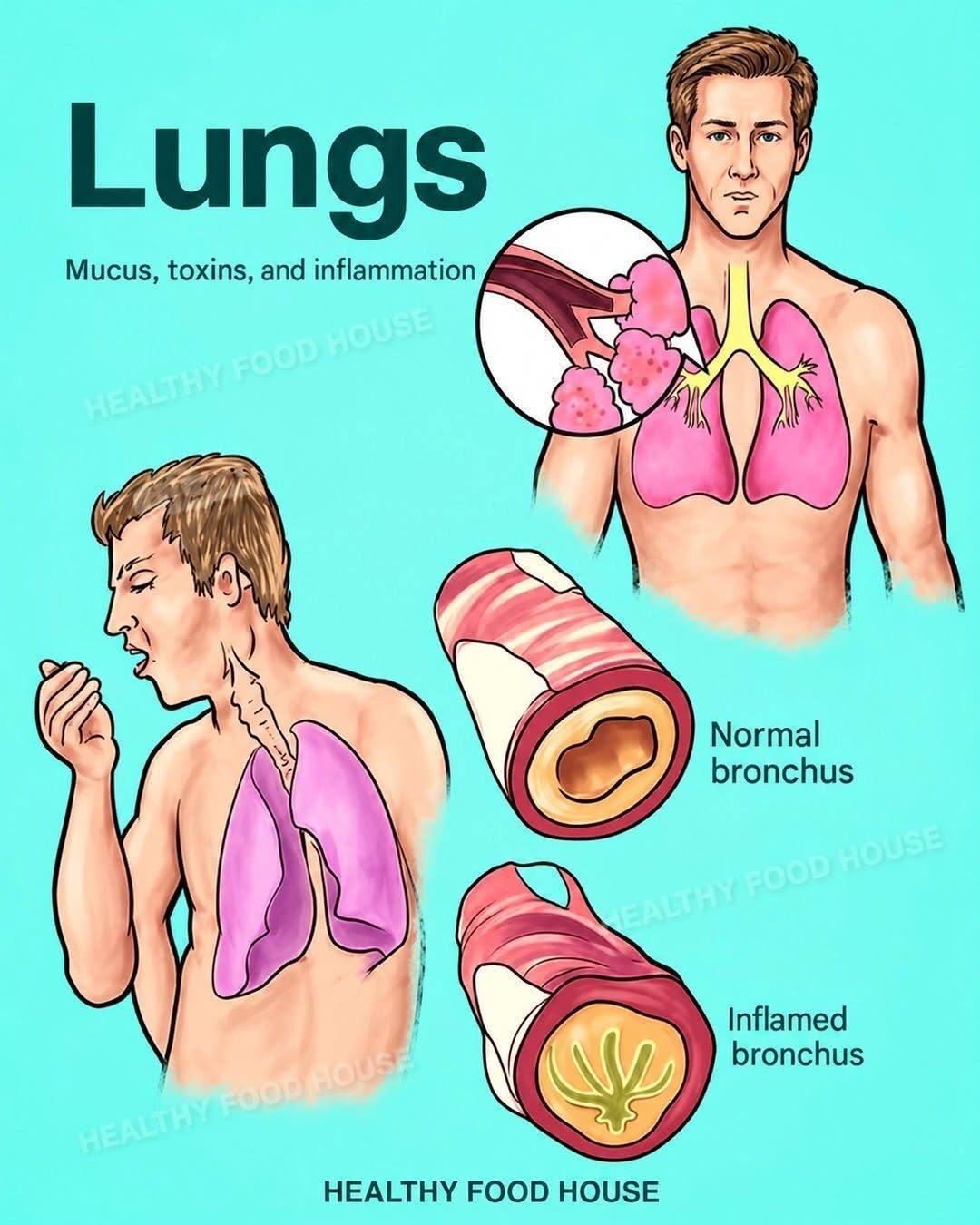
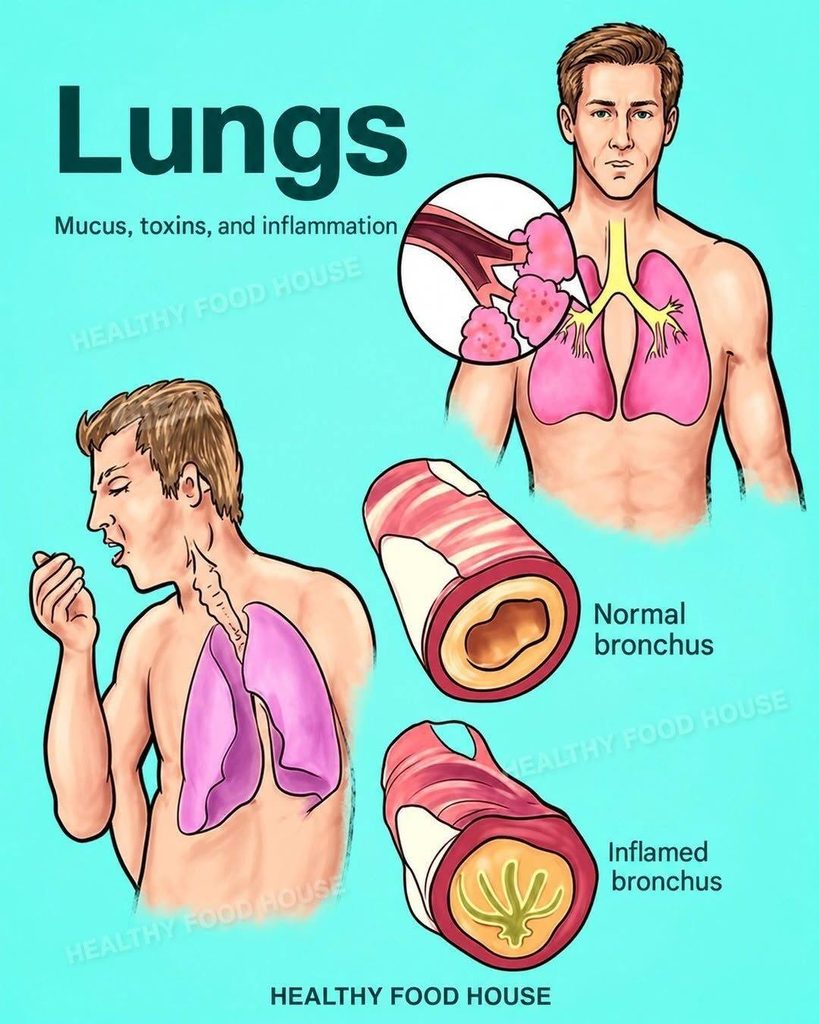
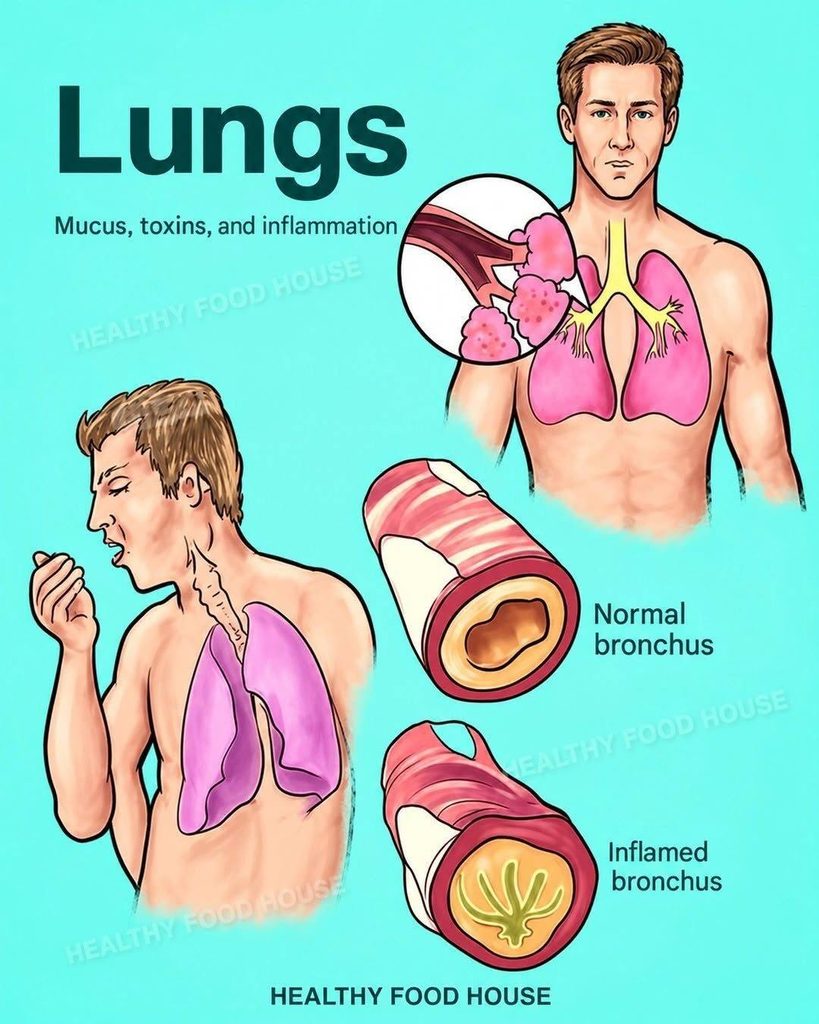
Mucus is a slippery substance produced by tissues throughout your respiratory system.
It lines your nose, throat, and airways, helping trap dust, allergens, and other particles before they can cause irritation.
It also helps keep delicate respiratory tissues moist.
Phlegm is the term commonly used for mucus produced in the lower respiratory tract, particularly the lungs and bronchial tubes.
When your airways become irritated or inflamed, they may produce more mucus than usual.
This can happen during respiratory infections, allergies, or exposure to pollutants.
Your body then attempts to clear the mucus through coughing and the normal movement of tiny hair-like structures called cilia.
Although coughing can be annoying, it’s an important protective reflex.
What Causes Excess Mucus in the Chest and Throat?
Several conditions can cause increased mucus production.
1. The Common Cold
Colds are caused by viruses that infect the upper respiratory tract.
They can trigger congestion, a runny nose, sore throat, and coughing.
As the infection progresses, mucus may become thicker.
2. Influenza
The flu can cause coughing, fever, body aches, fatigue, and respiratory irritation.
Some people experience increased mucus production.
3. Allergies
Pollen, dust mites, pet dander, and mold can trigger allergic reactions.
These may cause excess nasal mucus and postnasal drip.
4. Postnasal Drip
Postnasal drip occurs when mucus from the nose or sinuses flows down the back of the throat.
It can create a persistent urge to cough or clear your throat.
5. Bronchitis
Bronchitis involves inflammation of the bronchial tubes.
Acute bronchitis often follows a viral infection and may produce a cough with mucus.
6. Asthma
Asthma can cause airway inflammation, narrowing, and mucus production.
Symptoms may include wheezing, coughing, chest tightness, and shortness of breath.
7. Acid Reflux
Gastroesophageal reflux can irritate the throat and contribute to chronic coughing or throat clearing.
Not every sensation of throat mucus comes from the lungs.
8. Smoking and Air Pollution
Tobacco smoke and airborne irritants can damage the respiratory tract and interfere with normal mucus clearance.
9. Chronic Lung Conditions
Conditions such as chronic obstructive pulmonary disease (COPD) and bronchiectasis may cause ongoing mucus production.
Persistent or recurrent symptoms should be evaluated by a healthcare professional.
15 Natural Ways to Help Loosen Phlegm and Mucus
These methods focus on comfort, hydration, reducing irritation, and supporting normal airway clearance.
They can be useful for mild symptoms, but they do not replace medical treatment when an underlying condition requires it.
1. Drink More Water Throughout the Day
One of the simplest ways to support mucus clearance is to stay adequately hydrated.
When your body is dehydrated, respiratory secretions may become harder to manage.
Drinking enough fluids helps maintain normal mucus consistency.
Water is an excellent choice.
You can also drink unsweetened herbal tea or enjoy a warm broth.
Try sipping fluids regularly instead of waiting until you’re extremely thirsty.
However, drinking excessive amounts of water will not magically flush mucus out of your lungs.
The goal is normal hydration, not overhydration.
People who have been advised to limit fluids because of a medical condition should follow their clinician’s recommendations.
2. Sip Warm Drinks to Soothe Your Throat
Warm beverages can be comforting when your throat feels irritated.
A cup of warm tea, warm water, or broth may temporarily reduce the sensation of throat discomfort.
Some people find that warm drinks make mucus feel easier to clear.
Consider:
- Warm water.
- Caffeine-free herbal tea.
- Warm chicken or vegetable broth.
- Warm water with a little honey.
Avoid drinks that are hot enough to burn your mouth or throat.
The benefits are mainly related to comfort and hydration rather than directly treating the cause of mucus production.
3. Try Honey for Cough Relief
Honey is a popular home remedy for coughing.
Some research suggests that honey may help reduce cough frequency or severity in people with uncomplicated upper respiratory infections.
Its thick texture can also soothe an irritated throat.
You can try a small spoonful of honey or mix it into a warm beverage.
However, honey does not dissolve mucus inside the lungs.
It may help relieve the cough associated with a respiratory infection.
Important: Never give honey to children younger than 12 months because of the risk of infant botulism.
People with diabetes should also consider honey’s sugar content.
4. Use a Clean Cool-Mist Humidifier
Dry indoor air can make the nose and throat feel irritated.
A cool-mist humidifier may help maintain comfortable indoor humidity.
This can be especially useful during colder months when indoor heating dries the air.
However, humidifiers require regular cleaning.
Dirty water tanks can allow bacteria and mold to grow, potentially worsening respiratory symptoms.
Use distilled or demineralized water when recommended by the manufacturer.
Empty and dry the tank regularly, and follow the cleaning instructions.
Aim for a comfortable indoor humidity level, generally around 30–50%.
Excessive humidity can encourage mold and dust mites.
5. Take a Warm Shower
A warm shower may temporarily relieve nasal congestion and throat discomfort.
The humid environment can feel soothing when your airways are irritated.
Some people find that mucus becomes easier to clear afterward.
However, evidence that steam directly removes mucus from the lungs is limited.
Avoid leaning over bowls of boiling water or inhaling very hot steam.
These practices can cause serious burns.
A comfortably warm shower is a safer option.
6. Gargle With Warm Salt Water
Saltwater gargling may help soothe a sore or irritated throat.
It can be particularly useful when throat discomfort accompanies a cold.
To prepare a simple gargle:
- Add about half a teaspoon of salt to a glass of warm water.
- Stir until dissolved.
- Gargle gently for several seconds.
- Spit the solution out.
Repeat as needed if it feels comfortable.
Do not swallow large amounts of salt water.
Saltwater gargling does not remove phlegm from the lungs, but it may help relieve throat irritation.
7. Use Saline Nasal Spray
If mucus seems to be coming from your nose or sinuses, saline nasal spray may help.
Saline solutions moisturize nasal passages and can loosen nasal secretions.
This may reduce some symptoms associated with congestion or postnasal drip.
Saline sprays are available without a prescription.
They are generally easy to use and can be a practical addition to home care.
If you have significant sinus symptoms, speak with a healthcare professional about appropriate treatment.
8. Consider Nasal Irrigation for Postnasal Drip
Nasal irrigation uses a saline solution to rinse mucus and irritants from the nasal passages.
It may be helpful for some people with nasal congestion, allergies, or sinus symptoms.
A nasal rinse bottle or neti pot can be used, but water safety is extremely important.
Never use untreated tap water for nasal irrigation.
Use distilled, sterile, or previously boiled and cooled water according to established safety guidance.
Clean and dry the device after use.
Nasal irrigation targets the nose and sinuses, not mucus deep inside the lungs.
9. Avoid Cigarette Smoke and Vaping
Smoke is one of the most important respiratory irritants to avoid.
Cigarette smoke can damage airway cilia, increase inflammation, and contribute to excess mucus production.
Vaping aerosols may also irritate the respiratory system.
If you’re experiencing a persistent cough, reducing exposure to smoke and aerosols is particularly important.
Quitting smoking can improve respiratory health over time, although coughing and mucus may temporarily change during the adjustment period.
Avoid secondhand smoke whenever possible.
10. Reduce Dust and Indoor Air Irritants
Your home environment can influence respiratory symptoms.
Common irritants include:
- Dust.
- Tobacco smoke.
- Strong fragrances.
- Cleaning sprays.
- Mold.
- Air pollution.
- Certain chemical fumes.
If you notice that coughing worsens after using scented products or cleaning chemicals, consider reducing exposure.
Ventilate rooms appropriately when outdoor air quality is good.
Use cleaning products according to their instructions.
Never mix household cleaning chemicals, especially bleach with ammonia or acids.
If you suspect mold or another environmental problem, address the source rather than simply covering the odor.
11. Sleep With Your Head Slightly Elevated
Mucus-related coughing often becomes more noticeable at night.
Lying flat may worsen the sensation of postnasal drip or aggravate acid reflux.
Some adults find that sleeping with the upper body slightly elevated helps reduce nighttime discomfort.
A wedge pillow may provide more consistent support than stacking several ordinary pillows.
If reflux is contributing to your symptoms, avoiding large meals shortly before bedtime may also help.
Elevation is not a treatment for all causes of coughing, but it can improve comfort in certain situations.
12. Practice Gentle Controlled Coughing
Coughing helps clear mucus from the lower airways.
However, repeated forceful coughing can leave your throat sore and your chest muscles exhausted.
A gentler technique, sometimes called huff coughing, may help some people move mucus.
Try the following:
- Sit upright in a comfortable position.
- Breathe in slowly.
- Keep your mouth open.
- Exhale firmly but not violently, as though fogging a mirror.
- Rest and breathe normally between attempts.
Avoid prolonged or forceful breathing maneuvers that make you dizzy or short of breath.
People with chronic lung disease may benefit from learning airway-clearance techniques from a respiratory therapist.
13. Stay Gently Active When You Feel Well Enough
Light physical activity can support overall respiratory health.
Walking and changing positions may also help some people mobilize secretions.
However, exercise is not appropriate when you’re experiencing significant breathing difficulty, chest pain, dizziness, or a serious illness.
If you have a mild cold and feel reasonably well, gentle movement may be comfortable.
If you have fever, marked fatigue, or worsening symptoms, prioritize rest.
People with asthma, COPD, or heart conditions should follow their individualized activity recommendations.
14. Eat Nutritious, Balanced Meals
A healthy diet supports normal immune function.
During respiratory illnesses, focus on foods that are easy to tolerate and provide adequate nutrients.
Examples include:
- Vegetables.
- Fruits.
- Whole grains.
- Beans and lentils.
- Eggs.
- Fish.
- Yogurt, if tolerated.
- Soups and broths.
No particular food has been proven to instantly dissolve phlegm in the lungs.
However, eating well supports your body during recovery.
If you have little appetite, smaller meals may be easier to manage.
15. Give Your Body Time to Recover
Many cases of excess mucus are associated with viral respiratory infections.
These illnesses often improve with time.
Getting adequate sleep and avoiding unnecessary physical stress can support recovery.
A cough may continue for some time even after other cold symptoms have improved.
However, symptoms that persist, worsen, or repeatedly return should not automatically be dismissed as a lingering cold.
Sometimes, medical evaluation is necessary to identify asthma, reflux, chronic sinus disease, or another underlying cause.
What Does the Color of Your Phlegm Mean?
Many people become concerned when their mucus changes color.
While color can provide clues, it cannot reliably diagnose a specific illness on its own.
Clear Phlegm
Clear mucus is common and may occur with normal respiratory secretions, allergies, or viral infections.
White Phlegm
White or cloudy mucus may occur when secretions become thicker or when the respiratory tract is inflamed.
Yellow Phlegm
Yellow mucus can appear during infections or inflammation.
It does not automatically mean you have a bacterial infection.
Green Phlegm
Green mucus can also occur with viral or bacterial infections.
Its color alone does not determine whether antibiotics are needed.
Brown Phlegm
Brown mucus may reflect inhaled particles, old blood, or other causes.
Persistent brown sputum should be assessed by a healthcare professional.
Pink or Red Phlegm
Pink or red sputum may contain blood.
Blood in mucus should not be ignored, especially if it recurs or is accompanied by other symptoms.
Coughing up significant amounts of blood requires emergency medical attention.
Can Certain Foods Make Mucus Worse?
One common belief is that dairy products increase mucus production.
However, research generally does not support the idea that milk causes the body to produce more respiratory mucus.
Milk may temporarily create a thicker sensation in the mouth and throat because of its texture.
This is different from increasing mucus production in the lungs.
Unless you have an allergy, intolerance, or another specific reason to avoid dairy, it usually isn’t necessary to eliminate it simply because you have phlegm.
Another popular claim is that spicy foods can clear the lungs.
Spicy ingredients may temporarily increase nasal drainage or make the nose feel less congested.
But they do not cure respiratory infections or remove mucus from deep airways.
In some people, spicy foods can worsen acid reflux and associated throat symptoms.
Does Lemon and Honey Water Help With Phlegm?
Warm lemon and honey water is a familiar home remedy.
It may feel soothing for several reasons.
The warm liquid provides hydration.
Honey may temporarily ease coughing.
Lemon adds flavor and encourages some people to drink more fluids.
However, there is no convincing evidence that lemon water directly dissolves mucus in the lungs.
If you enjoy it and it doesn’t irritate your throat or stomach, it can be a comforting beverage.
People with acid reflux may find that citrus worsens symptoms.
Frequent exposure to acidic drinks can also affect tooth enamel, so avoid sipping highly acidic beverages continuously throughout the day.
Is Ginger Good for Chest Congestion?
Ginger is widely used in traditional remedies.
It contains compounds that have been studied for anti-inflammatory and other biological effects.
However, laboratory findings do not establish that ginger tea can clear chest mucus or treat respiratory infections in humans.
A warm ginger beverage may provide comfort and hydration.
It should not replace prescribed medications or medical evaluation.
Be cautious with concentrated herbal supplements, especially if you take medications, are pregnant, or have an underlying medical condition.
Can You Get Rid of Phlegm Overnight?
This is one of the most common questions people ask.
Unfortunately, there is no reliable natural method that guarantees all chest mucus will disappear overnight.
How quickly symptoms improve depends on the underlying cause.
For example:
- Mild irritation may improve after the trigger is removed.
- Nasal congestion may respond to saline and supportive care.
- A common cold often takes several days to improve.
- Bronchitis-related coughing may last for weeks.
- Chronic respiratory conditions may require ongoing treatment.
Home remedies can make you more comfortable, but they cannot necessarily eliminate the source of the problem.
Be skeptical of products promising to completely cleanse your lungs in a few hours.
When Is Phlegm a Sign of Something More Serious?
Most mild respiratory infections resolve without major complications.
But certain symptoms require prompt medical attention.
Seek urgent care if you experience:
- Difficulty breathing.
- Severe or persistent chest pain.
- Blue or gray lips.
- Confusion or fainting.
- Significant coughing up of blood.
- Rapidly worsening respiratory symptoms.
Contact a healthcare professional if you experience:
- A cough lasting more than three weeks.
- Persistent or recurring fever.
- Unexplained weight loss.
- Night sweats.
- Recurrent episodes of chest congestion.
- Wheezing or shortness of breath.
- Persistent blood-streaked sputum.
- Symptoms that improve and then suddenly worsen.
People with asthma, COPD, weakened immune systems, or other chronic medical conditions may need earlier assessment.
In regions where tuberculosis is a concern, a prolonged cough accompanied by fever, night sweats, or weight loss deserves particular attention.
Do You Need Antibiotics for Green or Yellow Mucus?
Not necessarily.
Antibiotics treat bacterial infections.
They do not work against viruses.
Many respiratory illnesses that cause coughing and colored mucus are viral.
Green or yellow phlegm alone is not a reliable reason to start antibiotics.
Unnecessary antibiotic use can cause side effects and contribute to antibiotic resistance.
A healthcare professional can determine whether antibiotics are appropriate based on your symptoms, examination, and other findings.
Never use leftover antibiotics or someone else’s prescription.
What About Over-the-Counter Mucus Medicines?
Some people find that supportive home care is not enough.
Depending on the cause of symptoms, a pharmacist or healthcare professional may recommend medications.
For example, guaifenesin is an expectorant used in some countries to help loosen respiratory secretions.
Its effectiveness varies, and it does not treat the underlying cause of an infection.
Other medications may be more appropriate if symptoms are caused by allergies, asthma, or acid reflux.
Certain cough and cold products are unsuitable for young children or people with specific medical conditions.
Always check product labels and seek professional advice when needed.
A Simple Morning-to-Night Routine for Mucus Relief
If you’re dealing with mild chest or throat congestion, a consistent routine may help you feel more comfortable.
Morning
Start your day with a glass of water.
Take a comfortably warm shower if it helps relieve congestion.
If your nose feels blocked, consider a saline nasal spray.
Eat a nutritious breakfast and avoid smoke exposure.
Afternoon
Drink fluids regularly.
Take a gentle walk if you feel well enough.
Avoid strong fragrances and other known irritants.
If you’re coughing up mucus, use gentle coughing rather than repeatedly forcing harsh coughs.
Evening
Enjoy a warm caffeine-free beverage.
Keep your sleeping area clean and comfortably humid.
Consider slightly elevating your upper body if nighttime postnasal drip or reflux is a problem.
Avoid smoking and large meals close to bedtime.
Before Bed
Make sure you have water available if your throat becomes dry.
Follow any prescribed respiratory treatment plan.
If symptoms are worsening or you feel short of breath, don’t rely on bedtime remedies—seek medical advice.
Common Mistakes That Can Make Chest Congestion Worse
Sometimes, people unintentionally aggravate their symptoms while trying to feel better.
Here are several mistakes to avoid.
Breathing Over Boiling Water
Very hot steam can cause burns.
Choose safer ways to maintain comfortable humidity.
Using Essential Oils Directly in the Airways
Concentrated essential oils can irritate the respiratory tract.
Some are especially risky around children, pets, and people with asthma.
Smoking to Supposedly Relax the Chest
Smoking irritates the lungs and can worsen mucus production.
Taking Antibiotics Without Medical Advice
Most uncomplicated viral respiratory infections do not require antibiotics.
Ignoring Persistent Symptoms
A cough lasting several weeks may have an underlying cause that requires evaluation.
Assuming All Mucus Comes From the Lungs
Postnasal drip and acid reflux can create a throat-mucus sensation even when the lungs are not producing excess phlegm.
Trying Extreme Detox Remedies
There is no proven homemade mixture that instantly cleanses the lungs.
Your respiratory system has natural protective and clearance mechanisms.
Frequently Asked Questions
What Is the Fastest Natural Way to Loosen Phlegm?
Staying hydrated, using saline for nasal congestion, avoiding irritants, and trying gentle airway-clearance techniques may help. The best approach depends on the cause.
Does Drinking Hot Water Remove Mucus From the Lungs?
Warm water may soothe your throat and help you stay hydrated, but it does not directly wash mucus out of the lungs.
Is Honey Good for Chest Congestion?
Honey may help relieve coughing associated with upper respiratory infections. It does not directly remove mucus from the lungs.
Can I Drink Ginger Tea Every Day for Phlegm?
Ginger tea can be a comforting beverage, but evidence that it treats chest congestion is limited. Check with a healthcare professional if you have medication interactions or other health concerns.
Why Do I Have So Much Mucus in My Throat but No Cough?
Possible causes include postnasal drip, allergies, reflux, and throat irritation. Persistent symptoms should be evaluated.
Why Is My Phlegm Worse in the Morning?
Mucus may accumulate overnight, and conditions such as postnasal drip, reflux, smoking-related airway irritation, or chronic lung disease can contribute.
Is Green Phlegm Always a Sign of Infection?
Green phlegm can occur with infection or inflammation, but its color alone cannot determine the cause or whether antibiotics are needed.
Can Dairy Products Increase Mucus?
Research generally does not show that dairy increases respiratory mucus production. Some people notice a temporary coating sensation after drinking milk.
Is It Better to Spit Out Phlegm or Swallow It?
Swallowing mucus is generally harmless because the digestive system processes it. Spitting it out may be more comfortable for some people.
Can Exercise Help Clear Mucus?
Gentle activity may help some people with mucus clearance, but avoid exercising when you have significant breathing difficulty, chest pain, or severe illness.
How Long Should a Mucus-Producing Cough Last?
The duration depends on the cause. Some coughs associated with respiratory infections can persist for several weeks. Seek medical evaluation for prolonged or worsening symptoms.
Can Mucus in the Chest Be Dangerous?
Excess mucus can be associated with conditions ranging from mild infections to serious respiratory disease. Difficulty breathing, chest pain, or coughing up blood requires prompt attention.
Final Thoughts: Breathe Easier With Simple, Safe Habits
Excess phlegm and mucus can make daily life uncomfortable.
It may interrupt your sleep, irritate your throat, and leave you feeling like you constantly need to cough.
But mucus is also part of your body’s natural defense system.
Instead of trying to eliminate it with extreme remedies, focus on supporting normal respiratory function.
Drink enough water, use safe methods to relieve nasal congestion, avoid smoke and other irritants, and give your body time to recover.
Warm beverages, honey for appropriate age groups, clean humidifiers, and gentle coughing techniques may provide additional comfort.
And remember that persistent or worsening mucus symptoms can sometimes signal an underlying medical condition.
The most effective approach is not simply to suppress the symptom, but to understand what is causing it.
Healthy lungs don’t need a miracle detox. They need clean air, appropriate care, and attention when something isn’t right.
What Helps You Most?
When you have mucus stuck in your throat or chest, which method gives you the most relief?
- Warm water or herbal tea.
- Honey.
- A warm shower.
- Saline nasal spray.
- Drinking more water.
Share your favorite safe home-care habit in the comments, and let others know what works for you!