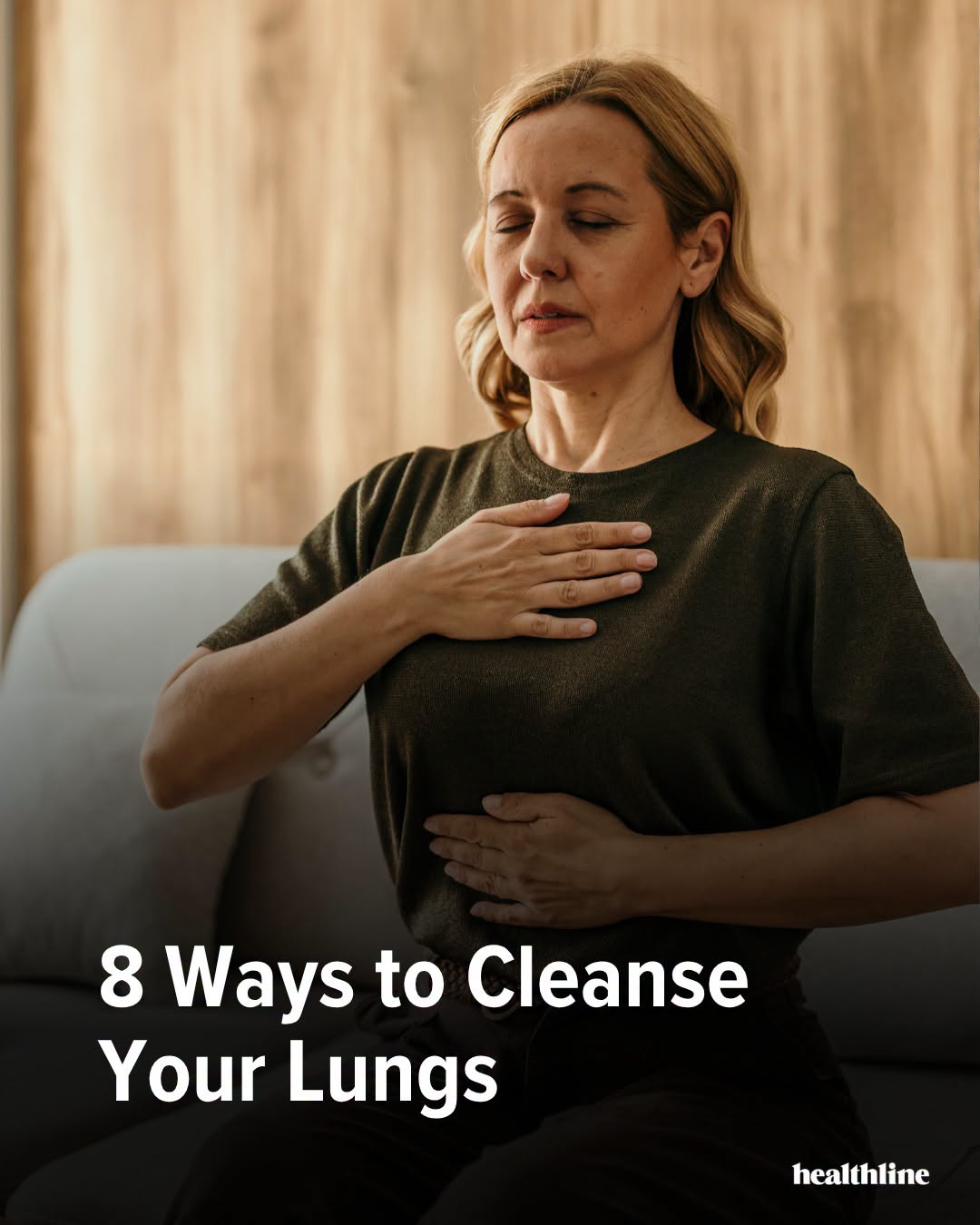
Your lungs work around the clock, taking in oxygen and helping your body remove carbon dioxide. But with everyday exposure to dust, pollution, smoke, and other airborne irritants, you might wonder whether your lungs need a little extra care.
The internet is filled with promises about lung detox drinks, cleansing teas, special breathing techniques, and miracle remedies that supposedly remove toxins from your respiratory system.
But here’s something many people don’t realize:
Your lungs already have their own remarkable cleaning system.
Tiny hair-like structures called cilia help move mucus and trapped particles out of your airways, while specialized immune cells help protect your lungs from harmful substances.
Although no drink, supplement, or breathing exercise can instantly wash pollutants out of your lungs, certain everyday habits can support respiratory health and reduce exposure to harmful irritants.
Here are eight practical, science-informed ways to care for your lungs and help them function at their best.
How Do Your Lungs Clean Themselves?
Before exploring the eight methods, it’s important to understand how your respiratory system works.
Every time you inhale, air travels through your nose or mouth, down your windpipe, and into branching airways inside your lungs.
Eventually, oxygen reaches tiny air sacs called alveoli, where it passes into your bloodstream.
At the same time, carbon dioxide moves from your blood into your lungs so you can exhale it.
Your respiratory system also has several protective mechanisms.
Mucus Traps Particles
The lining of your airways produces mucus that helps capture dust, microorganisms, and other inhaled particles.
Cilia Move Mucus Out
Microscopic hair-like structures called cilia move mucus toward your throat, where it can be swallowed or cleared by coughing.
Coughing Protects Your Airways
Coughing is a natural reflex that helps remove mucus and irritants.
Immune Cells Provide Protection
Specialized cells in the lungs help identify and remove certain foreign particles and microorganisms.
Together, these mechanisms help keep your lungs functioning.
However, smoking, air pollution, respiratory infections, and certain diseases can interfere with these protective processes.
The goal of healthy habits is to support your lungs and reduce harmful exposure—not to perform an imaginary overnight detox.
1. Avoid Smoking and Secondhand Smoke
If there’s one step that can make an enormous difference to lung health, it’s avoiding tobacco smoke.
Cigarette smoke contains thousands of chemicals, including substances that damage the respiratory system.
Smoking can harm the cilia responsible for clearing mucus and particles from the airways.
It also increases the risk of chronic obstructive pulmonary disease (COPD), lung cancer, cardiovascular disease, and other serious conditions.
What Happens When You Quit Smoking?
The body begins recovering after smoking cessation.
Over time, quitting can improve respiratory symptoms and slow the progression of smoking-related lung damage.
Some people notice increased coughing or mucus temporarily after quitting as airway clearance changes.
However, not all lung damage is reversible.
That’s why quitting as early as possible is beneficial.
What About Secondhand Smoke?
Secondhand smoke can also harm the lungs.
Avoid smoking indoors and ask others not to smoke inside your home or vehicle.
If you smoke, evidence-based cessation support—including counseling and appropriate medications—can improve your chances of quitting successfully.
Important: Vaping is not harmless to the lungs. Avoiding inhaled tobacco and nicotine products is a sensible way to protect respiratory health.
2. Improve the Air Quality Inside Your Home
Many people worry about outdoor pollution but forget that indoor air quality also matters.
Dust, mold, smoke, cleaning chemicals, cooking fumes, and other particles can affect the air you breathe.
Because people spend substantial amounts of time indoors, reducing exposure to these irritants can be helpful.
Simple Ways to Improve Indoor Air Quality
- Replace heating and air-conditioning filters according to manufacturer recommendations.
- Use kitchen ventilation when cooking.
- Keep your home free from tobacco smoke.
- Address water leaks and moisture problems promptly.
- Clean dust regularly using methods that avoid spreading it into the air.
- Consider an appropriately sized HEPA air purifier when needed.
- Avoid excessive use of scented sprays, incense, and smoke-producing products.
Why Ventilation Matters
Ventilation helps dilute indoor pollutants by bringing in cleaner outdoor air.
However, opening windows is not always beneficial.
During periods of heavy outdoor pollution, wildfire smoke, or high pollen counts, keeping windows closed may be safer.
Use local air-quality conditions to guide your decisions.
What About Mold?
Visible mold and persistent dampness should be addressed.
Simply covering mold with paint or fragrance doesn’t solve the underlying moisture problem.
If contamination is extensive, professional remediation may be necessary.
3. Practice Gentle Breathing Exercises
Breathing exercises can help some people improve breathing control, manage breathlessness, and relax.
They do not physically scrub toxins from the lungs.
However, certain techniques may be useful, particularly for people who experience breathlessness associated with respiratory conditions.
Two commonly used approaches are diaphragmatic breathing and pursed-lip breathing.
Diaphragmatic Breathing
The diaphragm is a dome-shaped muscle beneath your lungs.
It plays a major role in normal breathing.
How to Practice
- Sit comfortably or lie down in a supported position.
- Place one hand on your upper chest and the other on your abdomen.
- Breathe in gently through your nose.
- Allow your abdomen to move outward naturally.
- Exhale slowly without forcing the air out.
- Continue for a short period while remaining comfortable.
Try not to take unusually deep or rapid breaths.
Overbreathing can cause dizziness or tingling.
Pursed-Lip Breathing
This technique is sometimes recommended for people with COPD or certain types of breathlessness.
How to Practice
- Relax your shoulders.
- Breathe in gently through your nose.
- Purse your lips as though you are about to blow out a candle.
- Exhale slowly through your pursed lips.
- Avoid forcing the air out.
For some people, this technique can make breathing feel more controlled.
If breathing exercises worsen dizziness, chest discomfort, or shortness of breath, stop and seek medical advice.
4. Stay Physically Active
Regular physical activity supports overall cardiovascular and respiratory fitness.
When you exercise, your muscles require more oxygen.
Your breathing and heart rate increase to meet that demand.
Over time, physical activity can improve endurance and help your body use oxygen more efficiently.
This doesn’t mean exercise removes toxins from the lungs.
Instead, it supports the systems involved in breathing, circulation, and physical performance.
Lung-Friendly Activities
Depending on your health and fitness level, consider:
- Walking
- Swimming
- Cycling
- Gentle dancing
- Low-impact aerobic exercise
- Appropriate strength training
Walking is an accessible starting point for many people.
You might begin with a comfortable duration and gradually increase your activity.
How Much Exercise Is Recommended?
For most adults, public health guidance recommends aiming for at least 150 minutes of moderate-intensity aerobic activity per week, along with muscle-strengthening activities.
However, individual abilities and medical conditions matter.
People with heart or lung disease may benefit from a personalized exercise plan.
What If You Have COPD or Asthma?
Exercise can still be beneficial, but the approach may need adjustment.
Pulmonary rehabilitation programs can help some people with chronic respiratory conditions improve physical function and manage breathlessness.
Follow your clinician’s recommendations.
5. Reduce Exposure to Outdoor Air Pollution
Outdoor air pollution can affect respiratory health.
Common pollutants include fine particulate matter, ground-level ozone, nitrogen dioxide, and other airborne substances.
Exposure may aggravate asthma, COPD, and other respiratory conditions.
Long-term exposure to certain pollutants is also associated with increased cardiovascular and respiratory risks.
How to Protect Yourself
Check the local air-quality index when available.
On days with poor air quality:
- Reduce strenuous outdoor exercise.
- Avoid busy roads when possible.
- Keep windows closed if outdoor air is heavily polluted.
- Consider indoor exercise in a cleaner-air environment.
- Follow local public health advice.
What About Wildfire Smoke?
Wildfire smoke contains fine particles that can penetrate deeply into the respiratory system.
During smoke events, reducing exposure is particularly important.
A properly fitted particulate respirator, such as an N95, can reduce exposure to airborne particles when used correctly.
However, respirators do not filter all gases, and suitability varies by individual health circumstances.
People with significant heart or lung conditions should follow appropriate medical guidance.
6. Drink Enough Water to Stay Hydrated
Hydration supports many normal bodily functions.
It also helps maintain the body’s fluid balance, including the moisture needed for normal mucus function.
But there’s an important misconception to address.
Drinking large amounts of water does not flush toxins directly out of your lungs.
Your lungs don’t work like a container that can be rinsed clean by drinking fluids.
Instead, adequate hydration supports normal physiology.
How Much Water Do You Need?
Fluid requirements vary depending on:
- Body size
- Physical activity
- Climate
- Diet
- Pregnancy or breastfeeding
- Medical conditions
For many people, drinking regularly throughout the day and responding to thirst is a practical approach.
Some individuals, particularly those with certain heart or kidney conditions, may need to limit fluids.
Follow medical advice if you have a prescribed fluid restriction.
What About Herbal Teas?
Warm drinks may feel soothing when your throat is irritated.
However, no herbal tea has been proven to detoxify the lungs.
Be cautious with products advertised as lung-cleansing supplements, especially those containing multiple herbs or concentrated extracts.
7. Eat a Balanced Diet Rich in Fruits and Vegetables
A nutritious diet supports normal immune function and overall health.
Fruits, vegetables, legumes, whole grains, and other minimally processed foods provide vitamins, minerals, fiber, and plant compounds.
Some nutrients are involved in maintaining normal tissue function and protecting cells from oxidative damage.
However, eating a particular fruit or vegetable cannot instantly remove smoke particles or reverse established lung disease.
Foods Worth Including
Leafy greens: Provide vitamins, minerals, and other plant nutrients.
Berries: Contain fiber and polyphenols.
Citrus fruits: Provide vitamin C.
Carrots and sweet potatoes: Contain beta-carotene.
Beans and lentils: Supply fiber, protein, and minerals.
Whole grains: Contribute fiber and other nutrients.
Fish: Some varieties provide omega-3 fatty acids.
Can Antioxidant Supplements Clean Your Lungs?
There is no good evidence that high-dose antioxidant supplements cleanse the lungs.
Some supplements can be harmful in certain circumstances.
For example, high-dose beta-carotene supplements have been associated with an increased risk of lung cancer in smokers and some other high-risk groups.
Getting nutrients from a varied diet is generally preferable to taking high-dose supplements without a medical indication.
8. Prevent Respiratory Infections and Seek Appropriate Medical Care
Respiratory infections can cause inflammation and interfere with normal lung function.
Protecting yourself from preventable infections is an important part of respiratory health.
Helpful Prevention Habits
- Wash your hands regularly.
- Avoid close contact with people who are ill when practical.
- Improve ventilation in shared indoor spaces.
- Stay home when you’re sick when possible.
- Follow recommended vaccination schedules.
- Manage chronic respiratory conditions according to your treatment plan.
Vaccines against influenza, COVID-19, pneumococcal disease, and other infections may be recommended depending on age, health status, and local guidance.
Not everyone needs every vaccine.
A healthcare professional can help determine which are appropriate.
Why Regular Medical Care Matters
Persistent respiratory symptoms should not be dismissed as evidence that your lungs simply need a detox.
Symptoms such as chronic cough, wheezing, chest discomfort, or unexplained breathlessness may require evaluation.
Early diagnosis and appropriate treatment can make a meaningful difference.
Can You Really Detox Your Lungs Naturally?
The phrase “lung detox” is popular online, but it can be misleading.
Your lungs continuously use natural protective mechanisms to remove mucus, trapped particles, and certain inhaled substances.
Some exposures cause damage that cannot be reversed simply by drinking a beverage or performing an exercise.
There is no scientifically established juice, tea, supplement, or home remedy that can instantly cleanse the lungs of smoke, pollution, or other toxins.
The most effective strategies focus on:
- Preventing harmful exposure
- Supporting normal respiratory function
- Managing underlying medical conditions
- Staying physically active
- Following evidence-based treatment when necessary
Your lungs don’t need a trendy cleansing product.
They need protection and appropriate care.
What About Steam Inhalation?
Steam inhalation is sometimes promoted as a way to clean the lungs.
Warm, humid air may temporarily feel soothing for some people with nasal or upper-airway congestion.
However, steam does not remove toxins from the lungs or treat the underlying cause of respiratory disease.
There is also a significant risk of burns from hot water or steam.
Leaning over a bowl of boiling water is not recommended, especially for children.
A comfortably warm shower may provide temporary comfort without the same need to handle a container of boiling water.
If you have persistent breathing symptoms, seek appropriate medical advice rather than relying on steam.
Do Lung-Cleansing Teas Actually Work?
Many products claim to cleanse the lungs using ingredients such as ginger, turmeric, peppermint, or other herbs.
Although some plant compounds have been studied for various biological effects, that does not establish that herbal teas remove pollutants from lung tissue.
Claims that a drink can reverse smoking damage, cure asthma, or eliminate chronic lung disease are not supported by reliable clinical evidence.
Some herbal preparations can also interact with medications or cause unwanted effects.
Enjoy herbal drinks as beverages if they’re appropriate for you, but don’t treat them as substitutes for medical care.
How Long Do Lungs Take to Recover After Quitting Smoking?
Recovery after quitting smoking varies.
Some improvements begin relatively soon after smoking cessation.
Over time, respiratory symptoms such as coughing and breathlessness may improve.
The risk of several smoking-related diseases also decreases with sustained abstinence.
However, the extent of recovery depends on factors such as:
- Duration of smoking
- Amount smoked
- Age
- Existing lung damage
- Other environmental exposures
- Overall health
Some smoking-related changes, particularly established emphysema, may be permanent.
Nevertheless, quitting smoking remains beneficial even after many years of tobacco use.
Signs Your Lungs May Need Medical Attention
Not every breathing problem is caused by pollution or poor air quality.
Some symptoms can indicate an underlying respiratory or cardiovascular condition.
Contact a healthcare professional if you experience:
- A cough that persists for several weeks
- Frequent wheezing
- Recurrent chest infections
- Shortness of breath during ordinary activities
- Unexplained fatigue accompanied by breathing difficulties
- Persistent mucus production
- Changes in your usual breathing pattern
Seek emergency medical care immediately if you develop severe difficulty breathing, significant chest pain, blue or gray lips, fainting, or sudden confusion.
Coughing up blood also requires prompt medical evaluation, particularly if it is more than a small streak or occurs with breathing difficulty.
Do not attempt to manage serious respiratory symptoms with home detox remedies.
Common Lung Health Myths You Should Stop Believing
Myth 1: Drinking Lemon Water Cleans Your Lungs
Lemon water can contribute to hydration, but it does not remove toxins directly from lung tissue.
Myth 2: Steam Removes Smoke From Your Lungs
Steam does not reverse smoke-related lung damage.
Myth 3: You Can Detox Your Lungs Overnight
There is no proven overnight lung detox.
Myth 4: Only Smokers Need to Worry About Lung Health
Air pollution, infections, occupational exposures, and other factors can affect nonsmokers too.
Myth 5: More Breathing Exercises Always Mean Healthier Lungs
Breathing exercises may help with certain symptoms, but excessive or forceful breathing can cause dizziness and discomfort.
Myth 6: Herbal Supplements Can Reverse COPD
There is no reliable evidence that herbal supplements reverse established COPD.
Myth 7: If You Don’t Cough, Your Lungs Must Be Healthy
Some lung conditions can develop without obvious early symptoms.
Myth 8: Exercise Flushes Toxins Out Through Your Breath
Exercise supports fitness and respiratory efficiency, but it does not directly eliminate stored pollutants from the lungs.
A Simple Daily Routine to Support Lung Health
You don’t need expensive products or complicated routines to care for your lungs.
Small habits can make a difference.
Morning
Start your day with a comfortable walk or another form of gentle physical activity.
If you enjoy breathing exercises, practice a few minutes of relaxed breathing.
During the Day
Stay hydrated, eat balanced meals, and avoid smoke or unnecessary exposure to airborne irritants.
Check outdoor air quality if pollution is a concern.
At Home
Maintain ventilation and keep your living space free from tobacco smoke.
Clean dust and address dampness when necessary.
Evening
Wind down with relaxing activities and prioritize adequate sleep.
If you have a prescribed inhaler or other respiratory medication, use it as directed.
The goal is consistency rather than perfection.
Frequently Asked Questions
Can You Clean Your Lungs Naturally?
Your lungs have natural clearance mechanisms. Healthy habits can support respiratory function and reduce exposure to irritants, but no home remedy instantly removes all pollutants or reverses lung damage.
What Is the Fastest Way to Improve Lung Health?
Avoiding tobacco smoke and other harmful exposures is one of the most important steps. Appropriate exercise, vaccination, and medical care also matter.
Does Drinking Water Clean Your Lungs?
Water supports hydration but does not directly wash toxins out of the lungs.
Are Breathing Exercises Good for Your Lungs?
Certain breathing exercises may improve breathing control or help manage breathlessness in specific conditions. They do not detoxify lung tissue.
Can Your Lungs Heal After Smoking?
Some recovery occurs after quitting, but certain types of damage may be permanent.
What Foods Are Best for Lung Health?
A varied diet rich in fruits, vegetables, legumes, whole grains, and other nutritious foods supports overall health. No single food cleanses the lungs.
Does Steam Inhalation Remove Mucus?
Warm moisture may temporarily soothe upper-airway symptoms, but steam inhalation does not reliably clear mucus from deep inside the lungs and carries a burn risk.
Can Walking Improve Breathing?
Regular walking can improve physical fitness and exercise tolerance. The benefits depend on individual health and any underlying respiratory condition.
Do Air Purifiers Help?
Appropriately selected and maintained air purifiers can reduce certain airborne particles indoors. They do not remove every type of pollutant.
When Should I See a Doctor for Breathing Problems?
Seek evaluation for persistent cough, wheezing, unexplained breathlessness, or recurrent respiratory infections. Sudden severe breathing difficulty requires emergency care.
Final Thoughts: Your Lungs Don’t Need a Miracle Detox
Your lungs are extraordinary organs that work continuously to keep you alive.
They already have natural systems for trapping particles, moving mucus, and protecting against certain harmful substances.
But those systems work best when you reduce avoidable exposures and support your overall health.
Avoiding smoke, improving indoor air quality, staying active, eating nutritious foods, maintaining hydration, and preventing respiratory infections are practical steps that can make a difference.
The most important thing to remember is this:
There is no magic drink, tea, or breathing trick that can instantly cleanse your lungs.
Real respiratory health comes from consistent habits, reduced exposure to harmful substances, and appropriate medical care.
And if you’re experiencing persistent breathing problems, don’t assume your lungs simply need cleaning.
Getting the right diagnosis is far more valuable than trying an unproven detox.
Which of these eight healthy habits do you already practice?
Tell us in the comments—and share your favorite way to keep the air in your home fresh and clean!