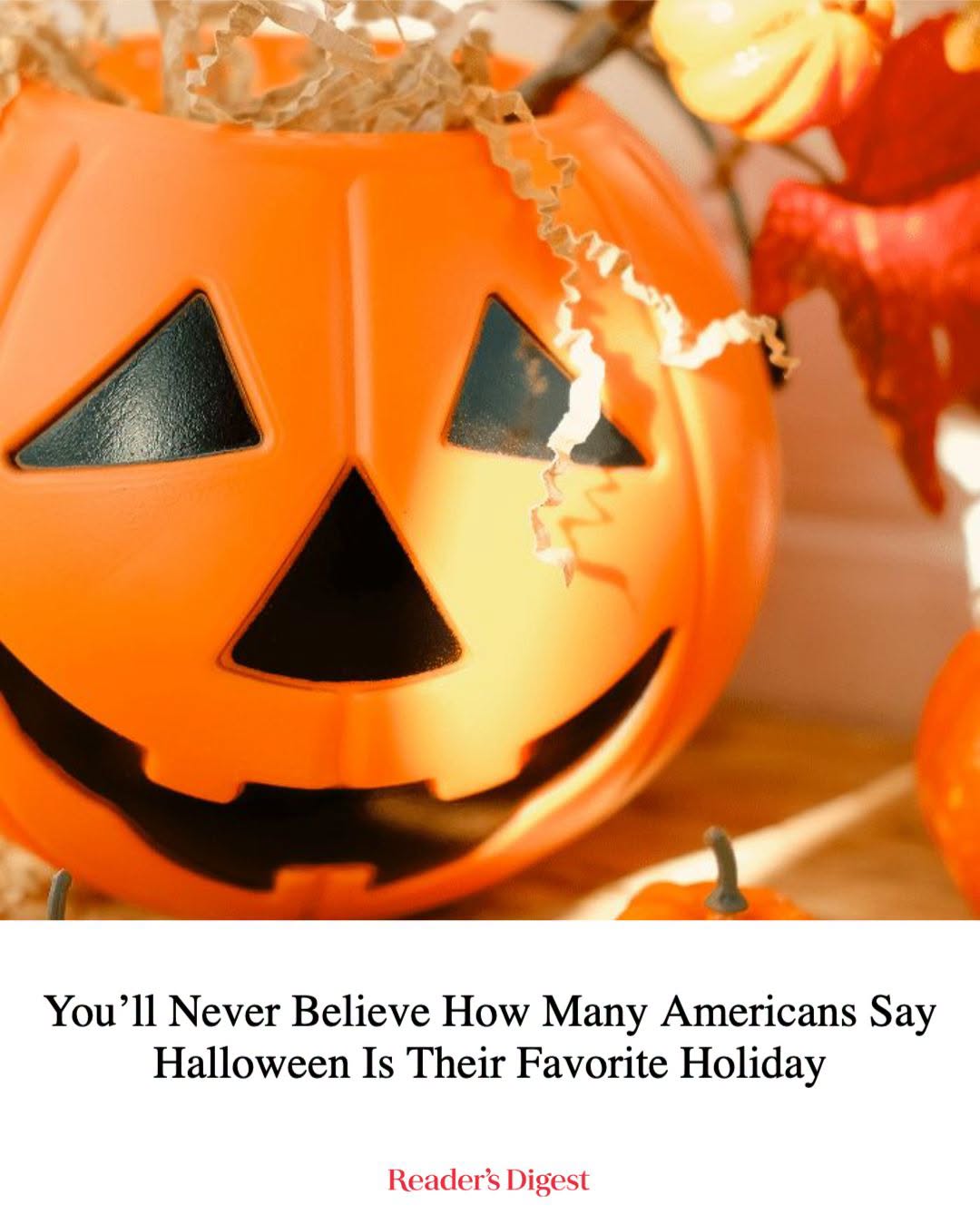
Pumpkins on front porches, glowing jack-o’-lanterns, creative costumes, haunted houses, and bowls overflowing with candy. Halloween has become one of America’s most anticipated celebrations. But how many people actually consider it their favorite holiday?
Every October, neighborhoods across the United States undergo a remarkable transformation.
Ordinary homes become haunted mansions. Front lawns fill with skeletons, ghosts, and giant inflatable pumpkins. Families visit pumpkin patches, children plan their costumes, and adults organize elaborate Halloween parties.
For some Americans, Halloween is simply a fun evening of trick-or-treating.
For others, it’s the highlight of the entire year.
And according to holiday preference surveys, Halloween has developed an especially devoted following.
While Christmas and Thanksgiving generally remain more popular overall, Halloween holds a special place in American culture.
The reasons go far beyond candy and costumes.
From nostalgia and creativity to community traditions and social media, Halloween offers something that many other holidays cannot.
So, just how popular is Halloween—and why do so many Americans love it?
How Many Americans Say Halloween Is Their Favorite Holiday?
The answer depends on the survey, the year, and how researchers ask the question.
Some polls ask respondents to select their single favorite holiday, while others ask which holidays they enjoy celebrating.
Those approaches produce different results.
In surveys asking Americans to name their favorite holiday, Halloween often receives a share in the single digits or low teens, depending on the sample and methodology.
That might seem surprisingly small considering how much attention Halloween receives every October.
But there’s an important distinction.
A person can love Halloween without ranking it above Christmas, Thanksgiving, or another family tradition.
Halloween’s broader popularity is much greater than its share of first-place votes.
Many Americans celebrate the holiday through decorations, candy, costumes, parties, or seasonal activities, even when it isn’t their number-one favorite.
The viral Reader’s Digest headline does not display the underlying survey or its precise percentage. Therefore, it would be misleading to present one specific figure as the verified result of that article.
What is clear is that Halloween has become a major seasonal celebration with an enthusiastic audience.
Why Halloween Has Such a Loyal Following
Halloween stands apart from many other American holidays.
It doesn’t necessarily require a formal family gathering, an elaborate meal, or expensive travel.
Instead, it invites people to be creative, playful, and imaginative.
For one night—or sometimes the entire month of October—ordinary life becomes a little more mysterious.
People dress as fictional characters, transform their homes, and participate in traditions that connect childhood memories with adult entertainment.
Here are some of the biggest reasons Halloween remains so popular.
1. Halloween Brings Back Childhood Memories
For many adults, Halloween is closely connected to childhood.
They remember walking through their neighborhoods carrying plastic pumpkin buckets.
They remember choosing costumes, carving jack-o’-lanterns, and trading candy with friends.
Even the smell of autumn leaves can bring back memories of Halloween evenings.
This nostalgia helps explain why the holiday remains meaningful long after people stop trick-or-treating.
Adults may recreate the traditions they enjoyed as children.
Parents introduce those experiences to their own kids.
And grandparents often enjoy watching younger generations celebrate.
Halloween becomes more than a holiday.
It becomes a collection of shared memories.
2. It’s One of the Most Creative Holidays
One of Halloween’s greatest attractions is the freedom to be imaginative.
There are few limits to what people can create.
Some choose traditional costumes such as witches, vampires, ghosts, and skeletons.
Others dress as movie characters, celebrities, historical figures, or humorous versions of everyday objects.
Costume-making can become an art form.
People spend weeks designing outfits, experimenting with makeup, and creating accessories.
Home decorating offers similar opportunities.
A front porch can become a haunted graveyard.
A garage can turn into a miniature haunted house.
A living room can transform into a mysterious castle.
For creative people, Halloween is an annual opportunity to bring their ideas to life.
3. Halloween Isn’t Just for Children Anymore
Halloween was once associated primarily with children going door to door collecting candy.
Today, adults participate in a wide variety of celebrations.
These include:
- Costume parties
- Haunted attractions
- Horror movie marathons
- Pumpkin-carving competitions
- Themed dinners
- Halloween festivals
- Seasonal baking
- Community events
Many adults enjoy Halloween because it provides an excuse to have fun without the formal expectations associated with some other holidays.
For some people, dressing up and attending a party is more appealing than preparing a large holiday meal.
4. The Decorations Are Part of the Excitement
Halloween decorations have become increasingly elaborate.
Some homeowners begin preparing their displays weeks before October 31.
Giant skeletons, animated monsters, fog machines, and synchronized lighting effects can transform an ordinary house into a neighborhood attraction.
Others prefer a simpler approach.
A few pumpkins, autumn flowers, and warm orange lights can create a welcoming seasonal atmosphere.
Halloween decorating also encourages community interaction.
Neighbors admire one another’s displays.
Families walk through decorated streets.
Children eagerly identify the houses they want to visit on Halloween night.
The result is a holiday that can make entire neighborhoods feel festive.
5. Halloween Candy Is a Major Attraction
It’s difficult to imagine Halloween without candy.
Chocolate bars, gummies, lollipops, and other sweets have become essential parts of the celebration.
For children, collecting candy is often the main event.
For adults, choosing treats and welcoming trick-or-treaters can be equally enjoyable.
Some families even create traditions around sorting candy after returning home.
But Halloween treats aren’t limited to packaged sweets.
Seasonal favorites include caramel apples, pumpkin cookies, decorated cupcakes, popcorn balls, and pumpkin-flavored desserts.
Food plays an important role in making the holiday memorable.
6. Halloween Creates a Sense of Community
In many neighborhoods, Halloween is one of the few occasions when large numbers of residents interact with one another.
People decorate their homes, greet visiting families, and share treats.
Community organizations may organize trunk-or-treat events, costume contests, or seasonal festivals.
Local farms often host pumpkin patches, corn mazes, and hayrides.
These activities give families opportunities to spend time together and connect with their communities.
Of course, participation varies depending on location, safety considerations, and local customs.
Not every neighborhood celebrates in the same way.
Still, the holiday can create a strong sense of shared excitement.
7. Halloween Offers a Break From Everyday Life
Many holidays come with expectations.
People may feel pressure to buy expensive gifts, prepare elaborate meals, or travel long distances.
Halloween can be more flexible.
You can celebrate with a homemade costume, a favorite scary movie, or a bowl of candy.
You can attend a large party or spend a quiet evening at home.
You can decorate your entire house or simply carve one pumpkin.
There is no single correct way to enjoy the holiday.
That flexibility may be one reason it appeals to people with different budgets, interests, and lifestyles.
8. Horror Movies Make October Special
For horror fans, October is practically a month-long festival.
Streaming services and television channels feature scary movies, supernatural thrillers, and Halloween-themed classics.
Some people enjoy genuinely frightening films.
Others prefer family-friendly favorites.
Popular seasonal viewing traditions include movies such as Hocus Pocus, The Nightmare Before Christmas, Halloween, and Beetlejuice.
Watching the same movies every October can become a comforting tradition.
And for people who don’t enjoy horror, there are plenty of lighthearted Halloween films and television specials.
9. Pumpkin Patches Have Become a Fall Tradition
Visiting a pumpkin patch is one of the most recognizable autumn activities in America.
Families travel to farms to choose pumpkins, take photographs, and enjoy seasonal attractions.
Many farms offer additional activities such as:
- Hayrides
- Corn mazes
- Petting zoos
- Apple cider
- Seasonal markets
- Children’s games
- Pumpkin-carving demonstrations
These experiences help extend Halloween beyond October 31.
For many families, the celebration begins weeks earlier.
10. Social Media Has Made Halloween Even Bigger
Halloween has become a major event on social media.
People share photographs of costumes, decorations, recipes, and creative makeup.
Short videos featuring home transformations and elaborate Halloween displays can attract enormous attention.
This visibility encourages new trends.
A creative costume may inspire thousands of people.
An unusual decoration may become a seasonal sensation.
A simple Halloween recipe can spread rapidly across social platforms.
Social media has also helped turn Halloween into a longer celebration, with content appearing throughout September and October.
11. Halloween Appeals to Different Age Groups
Few holidays offer such a wide range of activities for different generations.
Young children enjoy costumes and candy.
Teenagers may prefer haunted houses and horror movies.
Adults might attend parties or decorate their homes.
Older adults may enjoy handing out candy and watching neighborhood celebrations.
Families can choose activities appropriate for their children’s ages and comfort levels.
This flexibility helps Halloween remain relevant as people grow older.
12. The Fall Atmosphere Makes Everything Feel Special
Halloween is closely associated with autumn in much of the United States.
Cooler weather, colorful leaves, warm drinks, and cozy evenings create a distinctive seasonal atmosphere.
For many people, the excitement isn’t limited to Halloween night.
It’s the entire experience of October.
They enjoy wearing sweaters, visiting farms, baking pumpkin desserts, and decorating their homes.
Halloween becomes the centerpiece of a much broader autumn tradition.
13. It’s a Holiday Built Around Fun
Perhaps the simplest explanation for Halloween’s popularity is that it encourages people to have fun.
There’s room for creativity, humor, imagination, and a little harmless mischief.
People can experiment with costumes, tell ghost stories, and enjoy seasonal traditions without taking everything too seriously.
For many Americans, that playful spirit is what makes Halloween special.
Is Halloween More Popular Than Christmas?
Halloween has an enthusiastic following, but Christmas generally ranks higher in American favorite-holiday surveys.
Christmas has strong cultural and religious significance for many families.
It is also associated with gift-giving, family gatherings, music, decorations, and traditions that extend across generations.
Thanksgiving is another major favorite, particularly because of its emphasis on family meals and gratitude.
Halloween occupies a different position.
It may not receive the most first-place votes, but it inspires considerable spending, creativity, and participation.
Comparing the holidays isn’t always straightforward because people value them for different reasons.
Someone may love Halloween decorations but still prefer Christmas because of family traditions.
Another person may enjoy Halloween most because it involves fewer obligations.
Both preferences are perfectly reasonable.
How Much Do Americans Spend on Halloween?
Halloween is a major retail season in the United States.
Consumers purchase costumes, candy, decorations, greeting cards, and party supplies.
National Retail Federation surveys have documented annual Halloween spending in the billions of dollars.
The precise amount changes from year to year based on consumer participation, prices, and purchasing habits.
Popular spending categories include:
Costumes: Outfits for children, adults, and pets.
Candy: Treats for trick-or-treaters and Halloween gatherings.
Decorations: Pumpkins, lights, skeletons, inflatables, and other seasonal displays.
Party supplies: Themed plates, invitations, table decorations, and accessories.
For retailers, Halloween represents an important period of seasonal demand.
For consumers, it offers a wide variety of ways to celebrate at different price points.
Why Some Americans Don’t Like Halloween
Despite its popularity, Halloween isn’t everyone’s favorite holiday.
Some people dislike scary decorations or horror themes.
Others are uncomfortable with the expense of costumes and candy.
Parents may have concerns about traffic, supervision, or neighborhood safety.
Some families choose not to participate for cultural or religious reasons.
Others simply prefer quieter holidays.
These preferences deserve respect.
Celebrating Halloween is a personal choice, and there are many ways to enjoy autumn without participating in traditional Halloween activities.
How to Celebrate Halloween Without Spending Too Much Money
You don’t need an expensive costume or elaborate decorations to have a memorable Halloween.
Here are several budget-friendly ideas.
Make a Costume at Home
Look through clothes and accessories you already own.
A little creativity can turn ordinary items into a fun costume.
Decorate With Pumpkins
A few pumpkins can create a festive atmosphere without requiring expensive decorations.
Host a Movie Night
Invite friends or family to watch Halloween movies at home.
Prepare popcorn and simple snacks.
Bake Seasonal Treats
Pumpkin muffins, decorated cookies, and caramel apples can be fun to make together.
Visit Community Events
Some towns, libraries, and community organizations host free or low-cost Halloween activities.
Organize a Costume Swap
Friends and neighbors can exchange costumes that children have outgrown.
This can save money and reduce waste.
Halloween Safety Tips Every Family Should Know
Halloween should be enjoyable, but basic safety precautions are important.
For families planning to go trick-or-treating:
- Choose costumes that allow children to see and move comfortably.
- Use reflective materials or lights to improve visibility.
- Cross streets at designated crossings whenever possible.
- Supervise young children.
- Follow local traffic rules.
- Check treats for packaging damage or potential allergy concerns.
- Keep candles and open flames away from costumes and decorations.
- Use battery-powered lights when practical.
Drivers should also be especially cautious in residential neighborhoods where children may be walking after dark.
A little preparation can help make the evening safer for everyone.
Fun Halloween Facts You Might Not Know
Halloween Has Ancient Roots
Halloween traditions developed through a combination of historical influences, including the ancient Celtic festival of Samhain and later Christian observances associated with All Saints’ Day.
Modern Halloween celebrations have evolved considerably over time.
Jack-o’-Lanterns Weren’t Always Pumpkins
Early traditions in parts of Europe involved carving vegetables such as turnips.
Pumpkins became especially popular in North America because they were widely available and easier to carve.
Trick-or-Treating Became Widespread in the 20th Century
Although the practice has older cultural roots, modern American trick-or-treating became increasingly common during the twentieth century.
Black and Orange Are Halloween’s Signature Colors
Orange is associated with pumpkins and autumn harvests.
Black is commonly linked with nighttime, mystery, and traditional spooky imagery.
Halloween Is Celebrated Differently Around the World
Countries have their own autumn traditions and celebrations related to remembrance, harvests, or the supernatural.
Halloween-style costume parties and decorations have also become popular in many places outside the United States.
Frequently Asked Questions
When Is Halloween Celebrated?
Halloween takes place every year on October 31.
Is Halloween America’s Favorite Holiday?
Not overall. Christmas generally leads favorite-holiday surveys, while Halloween has a smaller but enthusiastic following.
What Percentage of Americans Say Halloween Is Their Favorite?
The figure varies depending on the survey and year. Some favorite-holiday polls place Halloween in the single digits or low teens, but there is no single universal percentage.
Why Do Adults Love Halloween?
Many adults enjoy costumes, parties, decorations, nostalgia, horror movies, and the freedom to celebrate creatively.
Is Halloween Only for Children?
No. People of all ages participate in Halloween activities.
Why Do People Carve Pumpkins?
Carving jack-o’-lanterns is a tradition that evolved from older customs involving carved vegetables and lanterns.
What Are the Most Popular Halloween Activities?
Common activities include trick-or-treating, decorating, wearing costumes, carving pumpkins, attending parties, and watching Halloween movies.
Is Halloween Expensive?
It can be, but celebrations can also be inexpensive. Homemade costumes and simple activities allow families to participate on a budget.
Why Do Some People Avoid Halloween?
Reasons may include religious beliefs, cultural preferences, safety concerns, cost, or simply not enjoying the holiday.
Can Halloween Be Celebrated Without Scary Decorations?
Absolutely. Many families focus on pumpkins, autumn colors, friendly costumes, crafts, and seasonal food.
Final Thoughts: Why Halloween Holds a Special Place in American Hearts
Halloween may not outrank Christmas or Thanksgiving in every favorite-holiday survey, but its cultural influence is undeniable.
Every October, millions of Americans embrace the opportunity to decorate, dress up, share treats, and enjoy seasonal traditions.
For children, Halloween can be a magical evening filled with excitement.
For adults, it may bring back cherished memories or provide an opportunity to be creative.
For families and communities, it can become a shared celebration that brings people together.
Perhaps that’s the real secret behind Halloween’s popularity.
It isn’t just about costumes, candy, or spooky decorations. It’s about imagination, nostalgia, and the joy of doing something different.
And whether you celebrate with an elaborate haunted house or a single pumpkin on your doorstep, Halloween offers countless ways to make October memorable.
Now we want to know: Is Halloween your favorite holiday, or do you prefer Christmas, Thanksgiving, or another celebration?
Tell us your favorite holiday in the comments—and why you love it!