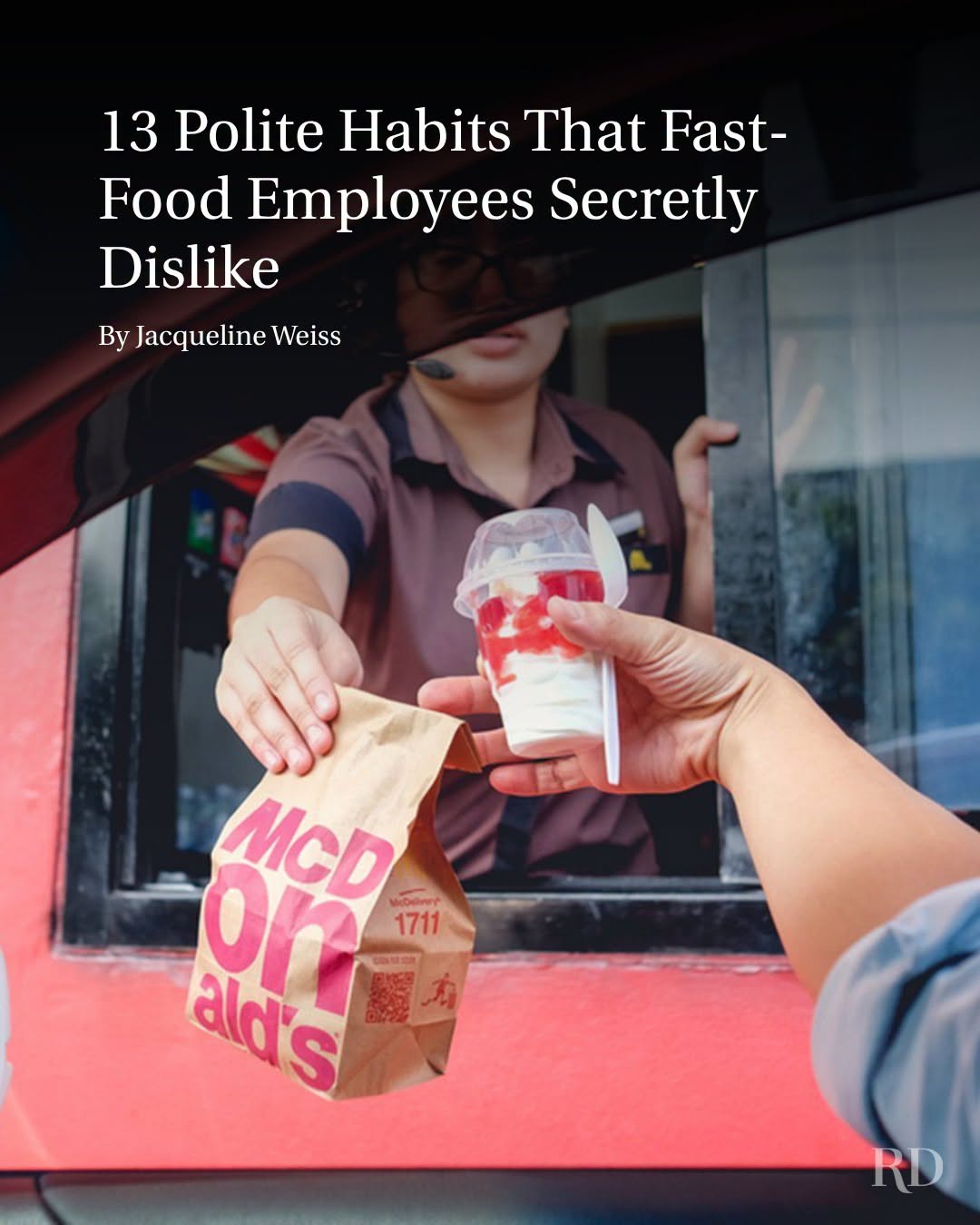
You might think you’re being the perfect customer when you smile, apologize, and try to make a fast-food employee’s job easier. But surprisingly, some of those well-intentioned habits can actually make their work more difficult.
Whether you’re ordering at McDonald’s, Burger King, Wendy’s, or your favorite local restaurant, you probably want to be polite and respectful.
After all, fast-food workers often deal with long lines, complicated orders, impatient customers, and stressful shifts.
But here’s something many people don’t realize: being friendly doesn’t always mean being helpful.
Sometimes, the smallest gestures can unintentionally slow down service or create confusion.
Here are 13 common habits that seem polite but may actually frustrate fast-food employees—and the simple things you can do instead.
1. Saying “Hello?” Repeatedly at the Drive-Thru
You’ve pulled up to the drive-thru speaker, but nobody has greeted you yet.
After waiting a few seconds, you say, “Hello?”
Then you repeat it.
While you may think the employee hasn’t noticed your car, many drive-thrus have sensors that alert workers when a vehicle arrives.
The employee might be finishing another order or helping a customer at the window.
What to do instead: Wait a moment before speaking. If nobody responds after a reasonable amount of time, politely ask whether the speaker is working.
2. Apologizing Too Much for Your Order
“I’m so sorry, but can I have my burger without onions? Sorry, I know it’s annoying!”
Sound familiar?
Some customers apologize repeatedly because they don’t want to inconvenience employees.
But ordinary modifications are part of restaurant service, and lengthy apologies can make the ordering process slower.
What to do instead: Simply say, “Could I please have my burger without onions? Thank you!”
Clear, polite, and easy.
3. Saying “Take Your Time” During a Busy Rush
You notice that the employee looks stressed, so you say, “Don’t worry, take your time!”
Your intention is kind.
However, employees often have to meet service expectations while managing several orders at once.
They may appreciate your patience, but they still need to keep the line moving.
What to do instead: Show patience through your actions. Have your payment ready, answer questions clearly, and avoid unnecessary delays.
4. Making Jokes About How Busy They Are
“Wow, looks like you’re having a relaxing day!”
Or the classic:
“Working hard or hardly working?”
These jokes may sound harmless, but employees might hear them repeatedly throughout their shifts.
When someone is exhausted or overwhelmed, another joke about their workload may not be especially welcome.
What to do instead: Offer a genuine smile and say, “Thanks for your hard work!”
Sometimes, a simple expression of appreciation means more than a joke.
5. Reaching Across the Counter to Help
You notice your order sitting behind the counter and decide to grab it yourself.
You think you’re saving the employee time.
But the food might belong to another customer, or it could be in an area employees need to keep organized for food safety.
What to do instead: Wait until your order is handed to you or your number is called.
If you’re unsure, ask politely.
6. Explaining Your Entire Life Story While Ordering
You want a sandwich without tomatoes.
Instead of simply requesting that, you explain why you dislike tomatoes, what happened the last time you ate them, and what your family thinks about them.
The employee may be trying to take your order while managing other responsibilities.
Long explanations can make it harder to understand what you actually want.
What to do instead: Keep your order simple and specific.
If you have a food allergy, however, clearly explain that it is an allergy and ask about ingredients and cross-contact precautions.
7. Saying “Surprise Me!” When Ordering
Some customers think it’s fun to let the cashier choose their meal.
“Just give me whatever you think is best!”
While the idea sounds friendly, it can put employees in an awkward position.
They don’t necessarily know your budget, preferences, dietary restrictions, or allergies.
What to do instead: Ask for a recommendation based on your preferences.
For example, “What’s your most popular chicken sandwich?”
This makes it easier for the employee to help.
8. Insisting They Keep the Change
You pay with cash and tell the employee to keep the change.
It’s a generous gesture.
However, some fast-food restaurants have policies that restrict employees from accepting tips.
An employee might appreciate your kindness but still be unable to keep the money.
What to do instead: Ask whether tips are accepted.
If not, a sincere thank-you or positive customer review can be another way to show appreciation.
9. Cleaning Your Table the Wrong Way
After finishing your meal, you want to help the staff.
You gather your trash and place everything in one pile.
But some restaurants have specific procedures for separating waste, disposing of liquids, and returning trays.
Placing dirty items in the wrong location can actually create more work.
What to do instead: Use the designated trash bins and tray-return areas.
If there are no instructions, ask an employee where everything should go.
10. Starting Long Conversations During Peak Hours
Friendly conversations can make someone’s day better.
But timing matters.
When the restaurant is packed and employees are rushing to serve customers, lengthy conversations can slow down the workflow.
What to do instead: Keep interactions brief during busy periods.
A smile and a quick “Have a great day!” can be enough.
When the restaurant is quiet, employees may have more time for a friendly exchange.
11. Saying “It’s Fine” When Your Order Is Wrong
You ordered a cheeseburger without pickles, but your sandwich arrives covered in them.
The employee offers to correct the mistake.
You say, “No, it’s fine,” even though you’re disappointed.
Later, you complain about the experience.
This can be frustrating because the employee might have been able to fix the problem immediately.
What to do instead: Be honest and respectful.
Say, “Actually, I ordered this without pickles. Could you please correct it?”
You don’t have to accept an incorrect order just to appear polite.
12. Handing Over a Huge Pile of Uncounted Coins
Paying with coins is perfectly reasonable.
But handing an employee a large pile of unsorted change during a busy rush can slow down the transaction.
The cashier may need to count everything carefully while other customers wait.
What to do instead: Count your coins beforehand when possible.
If you need assistance, ask politely.
Being considerate doesn’t mean you have to stop using cash.
13. Refusing to Move Forward at the Drive-Thru
Sometimes an employee asks you to pull into a designated parking space while your food is being prepared.
You respond, “No problem, I’ll just wait here!”
You might think you’re being helpful.
But staying at the pickup window can prevent other customers from receiving their orders.
What to do instead: Follow the employee’s directions when it is safe to do so.
Moving to a designated waiting area can help the restaurant serve other customers while your order is completed.
Why These Little Habits Matter More Than You Think
Fast-food restaurants are busy environments where employees often perform several tasks simultaneously.
One worker might be taking orders, preparing drinks, processing payments, and helping customers at the same time.
During lunch and dinner rushes, even a small delay can affect several orders.
That doesn’t mean customers should feel guilty about asking questions or requesting reasonable modifications.
It simply means that clear communication and patience can make a big difference.
Employees also have different personalities and preferences. A behavior that one worker finds frustrating may not bother another.
The goal isn’t to follow an impossible list of rules.
It’s to treat workers as people and respect the demands of their jobs.
7 Things Fast-Food Employees Often Appreciate
Want to make someone’s shift a little easier?
Try these simple habits:
- Know your order before reaching the counter. This can help keep the line moving.
- Speak clearly and politely. Employees need accurate information to prepare your food.
- Have your payment ready. Small preparations can save time.
- Respect restaurant policies. Follow reasonable instructions about pickup areas, payments, and ordering.
- Be patient when mistakes happen. Calm communication makes problems easier to resolve.
- Clean up after yourself appropriately. Use designated bins and return areas.
- Say thank you. Genuine appreciation can mean a lot during a stressful shift.
These simple actions are often more helpful than elaborate gestures.
What If an Employee Is Rude to You?
Being respectful doesn’t mean accepting poor treatment.
Customers deserve accurate orders, safe food, and professional service.
If an employee is rude or makes a mistake, you can calmly explain the problem.
If necessary, ask to speak with a manager.
Avoid shouting, insulting employees, or making personal attacks.
Most problems are easier to resolve when both sides communicate respectfully.
Is It Wrong to Be Extra Friendly?
Absolutely not.
Kindness is always valuable.
The important thing is recognizing when your actions are genuinely helpful.
During a quiet afternoon, a friendly conversation may brighten an employee’s day.
During a crowded lunch rush, a short interaction might be more considerate.
Pay attention to the situation and respond accordingly.
Frequently Asked Questions
Do Fast-Food Employees Really Dislike Polite Customers?
No. Most workers appreciate courtesy. The issue is that some behaviors intended to be polite can unintentionally complicate their work.
Is It Rude to Ask for Extra Sauce?
Not necessarily. Just ask politely and understand that some restaurants may charge extra.
Should I Apologize for Customizing My Order?
You don’t need to apologize repeatedly for ordinary requests. A clear and polite explanation is enough.
Is It Okay to Talk to Drive-Thru Employees?
Yes, but avoid lengthy conversations when the restaurant is busy.
Should I Tip Fast-Food Workers?
Tipping practices depend on the restaurant and local customs. Ask whether tips are accepted.
Is It Rude to Pay With Coins?
No. Organizing coins beforehand can simply make the transaction faster.
Should I Complain If My Order Is Wrong?
Yes, you can politely request a correction. You deserve to receive what you ordered.
What’s the Best Way to Be a Good Customer?
Be patient, communicate clearly, follow reasonable instructions, and treat employees respectfully.
Final Thoughts: Sometimes the Simplest Kindness Is the Best
Most people want to be considerate customers.
We smile, apologize, make jokes, and offer to help because we want to make someone else’s day easier.
But sometimes, good intentions can have unexpected results.
The most helpful thing you can do is often surprisingly simple.
Place your order clearly.
Be patient.
Respect the employee’s workspace.
Follow reasonable instructions.
And remember to say thank you.
Fast-food employees work hard to serve customers, often under considerable pressure.
A little understanding can make their day better.
Now it’s your turn: Have you ever done one of these 13 things without realizing it might be unhelpful?
And if you’ve worked in fast food, what’s one customer habit you wish more people would change?
Share your experiences in the comments!