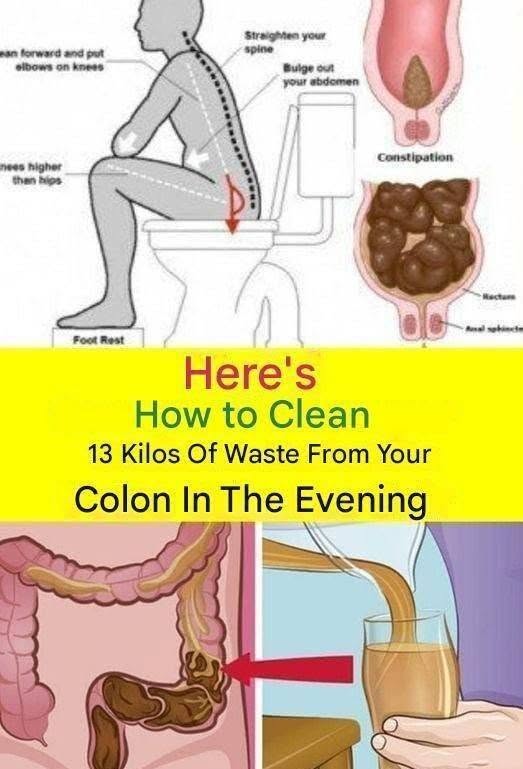
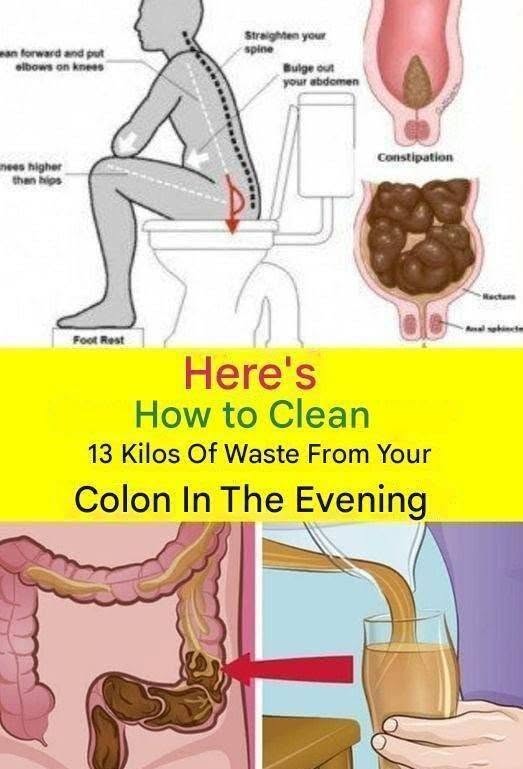
A viral health claim promises that you can remove 13 to 15 kilograms of waste from your colon in a single night. The images often show digestive diagrams, constipation illustrations, and a mysterious homemade drink. But is this dramatic colon-cleansing trick actually possible?
The claim sounds incredible.
Imagine going to bed feeling bloated, uncomfortable, and sluggish, then waking up with a completely clean digestive system.
According to some social media posts, one simple evening routine can supposedly flush years of accumulated waste from your intestines.
But before trying a homemade colon cleanse, there is something important you should know.
There is no credible scientific evidence that a healthy person’s colon routinely stores 15 kilograms of old waste that can be removed overnight.
In fact, attempting to force the digestive system to empty rapidly can sometimes cause dehydration, electrolyte disturbances, and other complications.
The good news is that there are safer, more effective ways to support regular bowel movements, reduce constipation, and improve digestive comfort.
Here’s what you need to know.
What Does Your Colon Actually Do?
The colon, also called the large intestine, is the final major section of the digestive tract.
Its main functions include:
- Absorbing water and electrolytes from intestinal contents
- Helping form and store stool
- Moving waste toward the rectum
- Supporting a complex community of intestinal microorganisms
- Participating in normal digestive and metabolic processes
After food passes through the stomach and small intestine, the remaining material enters the large intestine.
The colon gradually absorbs water, turning the remaining contents into stool.
Muscular contractions then move stool toward the rectum, where it is eventually eliminated.
This is a continuous biological process.
Your digestive system does not normally need a special detoxification drink to remove waste.
Does the Colon Really Contain 15 Kilograms of Old Waste?
One of the most persistent myths about digestive health is that large amounts of old fecal matter become permanently stuck to the intestinal walls.
Some advertisements claim that people carry 5, 10, or even 15 kilograms of waste inside their bodies.
These claims are often used to promote cleansing drinks, supplements, laxatives, or colon irrigation treatments.
However, the idea is misleading.
What Happens in a Healthy Colon?
The colon naturally moves intestinal contents forward through coordinated muscular contractions.
Although stool can remain in the colon longer during constipation, it does not normally form a permanent layer of decades-old waste coating the intestinal walls.
The amount of stool present varies depending on eating habits, bowel movement frequency, intestinal transit time, and medical conditions.
But the dramatic claim that an ordinary person can eliminate 15 kilograms of hidden waste overnight is not supported by medical evidence.
What About Severe Constipation?
Severe constipation can sometimes lead to significant stool accumulation.
In rare cases, fecal impaction or serious bowel disorders may cause substantial retention.
These are medical problems, not normal conditions that everyone needs to cleanse.
Severe cases may require professional treatment.
They should not be managed with aggressive homemade detox remedies.
Why Do People Believe in Overnight Colon Cleanses?
There are several reasons these claims spread so quickly.
1. Dramatic Before-and-After Stories
People may report feeling lighter after taking a laxative or experiencing several bowel movements.
But feeling lighter does not mean kilograms of toxic material have been removed.
Temporary changes in weight may reflect stool, fluid loss, or changes in intestinal contents.
2. Confusion Between Bloating and Waste Accumulation
A swollen abdomen can make someone feel as though their intestines are full of waste.
However, bloating may result from gas, constipation, food intolerance, or other digestive conditions.
It is not proof that the colon contains enormous amounts of stool.
3. Misleading Digestive Illustrations
Viral images sometimes show intestines filled with dark, hardened material.
These illustrations can exaggerate how waste behaves inside the digestive system.
They should not be interpreted as medical scans or evidence of a particular condition.
4. The Appeal of a Quick Fix
Constipation and bloating are uncomfortable.
A promise to solve everything overnight is understandably attractive.
Unfortunately, rapid solutions are not always safe or effective.
What Is Colon Cleansing?
The term colon cleansing can refer to several different practices.
These include:
- Drinking herbal laxative teas
- Taking strong laxatives
- Using enemas
- Undergoing colon hydrotherapy
- Following restrictive detox diets
- Drinking mixtures marketed as intestinal cleansers
These methods are not equivalent.
Some bowel-clearing treatments have legitimate medical uses, while others are promoted without reliable evidence.
Medical Bowel Preparation
Before a colonoscopy, patients may receive prescribed bowel preparation products.
These are designed to clear stool so a clinician can examine the intestinal lining.
The process follows specific medical instructions and is not intended as a routine wellness detox.
Commercial Colon Cleansing
Some wellness services claim that repeated cleansing removes toxins and improves general health.
For otherwise healthy individuals, there is insufficient evidence that routine colon cleansing provides these benefits.
It may also introduce unnecessary risks.
The Potential Dangers of Aggressive Colon Cleansing
A homemade colon cleanse may sound harmless because its ingredients are described as natural.
But natural substances can still cause significant side effects.
Dehydration
Strong laxatives or repeated diarrhea can cause excessive fluid loss.
Symptoms may include dizziness, thirst, weakness, and reduced urination.
Electrolyte Imbalances
The body needs appropriate levels of sodium, potassium, and other electrolytes.
Excessive diarrhea or laxative use can disturb this balance.
Severe disturbances may affect muscles, nerves, and heart function.
Abdominal Cramping
Some laxatives stimulate intestinal contractions.
This can cause painful cramps and urgent bowel movements.
Medication Interactions
Certain herbal products and laxatives may interfere with medications or alter their absorption.
Injury From Enemas or Colon Irrigation
Improperly performed procedures can cause irritation, infection, or, rarely, serious bowel injury.
Delayed Medical Diagnosis
Repeatedly treating abdominal symptoms with detox products may delay the diagnosis of constipation, inflammatory conditions, or other illnesses.
If you experience persistent digestive symptoms, it is safer to identify the underlying cause than to repeatedly attempt to flush out your intestines.
10 Safe Ways to Support Regular Bowel Movements
While there is no scientifically proven drink that removes 15 kilograms of waste overnight, several evidence-based habits can help support digestive health.
1. Eat More Fiber Gradually
Fiber is one of the most important dietary components for bowel regularity.
It helps support normal stool consistency and intestinal function.
There are two broad categories.
Soluble Fiber
Soluble fiber absorbs water and forms a gel-like substance.
It is found in foods such as:
- Oats
- Beans
- Lentils
- Apples
- Citrus fruits
- Psyllium
Insoluble Fiber
Insoluble fiber adds bulk to stool and can help promote intestinal movement.
Sources include:
- Whole grains
- Vegetables
- Nuts
- Seeds
- Wheat bran
Most adults benefit from approximately 22–34 grams of dietary fiber per day, depending on age and sex.
However, increasing fiber too quickly can worsen gas and bloating.
Add fiber gradually and drink sufficient fluids.
People with certain bowel conditions may need individualized dietary guidance.
2. Drink Enough Water
Adequate hydration helps support normal stool consistency.
When the body is dehydrated, stools may become harder and more difficult to pass.
Water is an excellent everyday choice.
Other fluids can contribute to hydration as well.
The amount needed varies with activity level, climate, diet, and medical conditions.
You do not need to force yourself to drink excessive amounts of water to cleanse your colon.
More water is not automatically better.
3. Include Prunes in Your Diet
Prunes are dried plums.
They contain fiber and naturally occurring sorbitol, a sugar alcohol that can help draw water into the bowel.
Some studies suggest that prunes may improve stool frequency and consistency in people with constipation.
How to Try Them
Start with a small serving and assess your tolerance.
Larger portions may cause gas or loose stools.
Prunes can be eaten as a snack or added to breakfast.
They are not a treatment for bowel obstruction or severe fecal impaction.
4. Try Kiwifruit
Kiwifruit contains fiber and other components that may support bowel regularity.
Some clinical studies have found that eating kiwifruit can improve constipation symptoms.
For some adults, incorporating two green kiwifruits into the daily diet may be a reasonable food-based option.
However, results vary.
People with kiwi allergies should avoid it.
5. Move Your Body Regularly
Physical activity supports general health and may help some people maintain regular bowel habits.
You don’t need an intense workout.
Possible activities include:
- Walking
- Gentle cycling
- Swimming
- Light stretching
- Other suitable forms of movement
Choose activities appropriate for your health and mobility.
Regular movement can be especially useful for people who spend long periods sitting.
6. Establish a Consistent Bathroom Routine
The digestive system often becomes more active after meals.
This response is known as the gastrocolic reflex.
For some people, attempting a bowel movement after breakfast can be helpful.
Helpful Habits
- Allow yourself enough time.
- Avoid rushing.
- Do not strain excessively.
- Respond to the urge to have a bowel movement.
- Maintain a consistent routine when possible.
Ignoring the urge repeatedly can contribute to constipation.
7. Improve Your Toilet Position
Body position can influence how comfortably stool passes.
Some people find it helpful to place their feet on a small, stable footstool while sitting on the toilet.
This raises the knees slightly above the hips.
Lean forward gently and relax your abdomen.
Avoid forceful straining or holding your breath for prolonged periods.
The goal is comfortable elimination, not forcing the bowel to empty.
8. Include Fiber-Rich Breakfast Foods
A balanced breakfast can help establish a regular eating routine.
Consider options such as:
- Oatmeal with fruit
- Whole-grain toast
- Yogurt with suitable fruit and seeds
- A bowl of high-fiber cereal
- Whole grains with berries
These foods contribute fiber and other nutrients.
No breakfast combination can guarantee an overnight colon cleanse.
9. Consider Psyllium When Appropriate
Psyllium is a soluble fiber supplement commonly used to improve bowel regularity.
It absorbs water and forms a gel.
For some people, it can help with constipation.
However, it must be taken with adequate fluid and according to product directions.
It is not appropriate for everyone.
People with swallowing difficulties, suspected bowel obstruction, or certain intestinal conditions should seek medical advice before using it.
10. Seek Medical Advice for Persistent Constipation
Lifestyle changes do not resolve every case of constipation.
Some people may benefit from medications such as osmotic laxatives.
A healthcare professional can recommend an appropriate treatment based on symptoms, medical history, and other medications.
Do not use repeated high-dose laxatives to chase a dramatic overnight weight change.
The objective is comfortable, regular bowel function.
A Gentle Evening Routine for Better Digestive Comfort
Instead of trying to remove an unrealistic amount of waste overnight, consider a simple routine that supports your digestive system.
Step 1: Eat a Balanced Dinner
Include vegetables, a suitable source of protein, and whole grains if tolerated.
Avoid unusually large meals if they worsen bloating.
Step 2: Drink Water According to Thirst and Needs
Stay adequately hydrated throughout the day.
There is no need to consume large amounts immediately before bed.
Step 3: Take a Gentle Walk
A short, comfortable walk after dinner may support general well-being.
It can also help some people feel less sluggish.
Step 4: Avoid Unnecessary Detox Products
Skip aggressive laxative teas and unknown herbal mixtures.
Step 5: Get Adequate Sleep
Sleep supports many aspects of health.
Although sleep itself does not cleanse the colon, maintaining a consistent routine can contribute to overall well-being.
Step 6: Allow Time for a Bowel Movement the Next Morning
A calm morning routine, breakfast, and adequate bathroom time may help.
This approach will not remove 15 kilograms of waste overnight.
But it can help build healthier habits over time.
What About Lemon Water, Olive Oil, and Other Viral Colon-Cleansing Drinks?
Social media frequently recommends homemade mixtures as powerful intestinal cleansers.
Let’s examine some common claims.
Lemon Water
Lemon water can contribute to hydration.
However, there is no convincing evidence that lemon juice dissolves years of waste inside the colon.
It may also worsen acid reflux in some individuals.
Olive Oil
Olive oil is a source of unsaturated fat and can be part of a balanced diet.
But drinking large amounts of oil to force bowel movements is not a proven or recommended colon-cleansing treatment.
Excessive intake may cause nausea, diarrhea, or abdominal discomfort.
Apple Cider Vinegar
Apple cider vinegar is sometimes promoted as a detox drink.
There is no reliable evidence that it removes accumulated toxins or kilograms of stool from the intestines.
Concentrated vinegar can irritate the throat and damage tooth enamel.
Saltwater Flushes
Some viral methods involve drinking large quantities of saltwater.
This is not a safe home colon-cleansing technique.
Excessive sodium intake can cause serious electrolyte disturbances and other complications.
Avoid using saltwater flushes as a detox method.
Herbal Laxative Teas
Some products contain stimulant laxatives such as senna.
These ingredients can cause bowel movements, but they do not remove hidden layers of toxins.
They may also cause cramps, diarrhea, dehydration, or electrolyte problems.
Use laxative products only as directed and seek professional advice when necessary.
What Is Constipation?
Constipation is a common digestive complaint.
It may involve:
- Fewer bowel movements than usual
- Hard or lumpy stools
- Difficulty passing stool
- Excessive straining
- A sensation of incomplete evacuation
- Feeling that stool is blocked
Having fewer than three bowel movements per week is one commonly used indicator, but frequency alone does not define every case.
Some people naturally have more frequent bowel movements than others.
What matters is a person’s usual pattern and whether they experience discomfort or difficulty.
Common Causes of Constipation
Possible contributors include:
- Inadequate fiber intake
- Dehydration
- Reduced physical activity
- Changes in routine
- Certain medications
- Pregnancy
- Some medical conditions
- Pelvic floor dysfunction
Persistent constipation may require evaluation to identify the cause.
Can Constipation Cause a Bloated Stomach?
Yes.
Constipation can contribute to abdominal bloating and discomfort.
When stool moves slowly through the intestines, gas and intestinal contents may accumulate.
However, bloating can also result from:
- Food intolerance
- Irritable bowel syndrome
- Swallowed air
- Changes in intestinal motility
- Certain gastrointestinal disorders
Bloating alone does not prove that large amounts of stool are trapped inside the colon.
If bloating is persistent, severe, or associated with other concerning symptoms, consult a healthcare professional.
How Much Waste Does the Body Normally Eliminate?
The amount of stool produced varies widely.
It depends on factors such as:
- Food intake
- Fiber consumption
- Water content
- Intestinal transit time
- Gut microbiota
- Individual digestive patterns
There is no single normal daily stool weight for everyone.
What matters more is whether bowel movements are comfortable and consistent with your usual pattern.
The body does not need to eliminate a specific number of kilograms to be considered healthy.
Does Colon Cleansing Help With Weight Loss?
Aggressive bowel cleansing can cause temporary changes on the scale.
However, those changes generally reflect loss of fluid and intestinal contents rather than meaningful loss of body fat.
Once normal eating and hydration resume, the weight may return.
Repeated laxative use is not a safe or effective weight-loss strategy.
Long-term weight management involves sustainable nutrition, physical activity, sleep, and individualized medical care when appropriate.
Does the Colon Need to Be Detoxified?
The word detox is often used in wellness advertising.
But the body already has systems responsible for processing and eliminating waste products.
The liver and kidneys play major roles in these processes.
The digestive tract also eliminates material the body does not absorb.
A healthy colon continuously performs its normal functions without requiring routine flushing.
There is no strong evidence that commercial colon-cleansing programs improve general health by removing unspecified toxins.
The Difference Between Normal Constipation and Fecal Impaction
Fecal impaction occurs when a large mass of hard stool becomes lodged in the rectum or colon.
It is more common in certain vulnerable populations, including some older adults and people with reduced mobility or chronic constipation.
Possible symptoms include:
- Significant difficulty passing stool
- Abdominal discomfort
- Rectal pressure
- A sensation of blockage
- Sometimes leakage of liquid stool around the impacted mass
Fecal impaction requires medical assessment.
It should not be treated with aggressive homemade cleansing drinks.
When Could Constipation Be an Emergency?
Seek urgent medical attention if constipation occurs with:
- Severe or worsening abdominal pain
- Repeated vomiting
- Significant abdominal swelling
- Inability to pass gas
- Blood in the stool
- Signs of severe dehydration
These symptoms may indicate a more serious condition, including bowel obstruction.
Do not attempt a home cleanse when bowel obstruction is suspected.
Common Mistakes That Can Make Constipation Worse
1. Increasing Fiber Too Quickly
Suddenly eating large amounts of fiber may worsen bloating.
Increase gradually.
2. Ignoring the Urge to Use the Bathroom
Repeatedly delaying bowel movements can make stool harder to pass.
3. Taking Strong Laxatives Without Guidance
Overuse can cause diarrhea and electrolyte disturbances.
4. Drinking Excessive Water
More water is not always better.
Excessive fluid intake can be harmful.
5. Relying on Detox Teas
These products may produce temporary bowel movements without addressing the underlying cause.
6. Assuming Every Digestive Symptom Is Caused by Toxins
Constipation, bloating, and abdominal discomfort have many possible causes.
7. Ignoring Persistent Changes in Bowel Habits
A new or persistent change deserves medical attention, especially when accompanied by bleeding, weight loss, or anemia.
Frequently Asked Questions
Can you really remove 15 kilograms of waste from your colon overnight?
No credible scientific evidence supports this claim for an otherwise healthy person. Severe stool accumulation can occur in certain medical conditions, but it requires proper assessment and treatment.
What is the fastest natural way to relieve constipation?
The best approach depends on the cause. Adequate hydration, appropriate fiber intake, movement, and a regular bathroom routine may help, but they do not guarantee immediate relief.
Does warm water cleanse the colon?
Warm water can contribute to hydration, but it does not flush out years of accumulated waste.
Can lemon water remove toxins from the intestines?
There is no convincing evidence that lemon water performs this function.
Are colon cleanses safe?
Some medically prescribed bowel preparations are appropriate for specific procedures. Routine commercial or homemade cleanses can carry risks and are generally unnecessary for healthy people.
How often should you have a bowel movement?
Normal frequency varies. Some healthy people have several bowel movements per day, while others have fewer per week. Stool consistency and ease of passage are also important.
Can constipation cause weight gain?
Constipation may temporarily affect scale weight because of retained stool and fluid, but it does not directly represent an increase in body fat.
Do probiotics clean the colon?
No. Some probiotics may help particular digestive symptoms in certain people, but they do not physically clean the colon.
Is it safe to take laxatives every night?
Regular laxative use should be based on the type of medication and medical advice. Some products are appropriate for longer-term use under guidance, while others are not suitable for unsupervised frequent use.
Can you have constipation even if you have bowel movements every day?
Yes. Constipation can involve hard stools, straining, or incomplete evacuation even when bowel movements occur daily.
Does fasting clean out the intestines?
Fasting does not remove imaginary layers of old waste from the colon. Restrictive fasting may also be unsuitable for some individuals.
What foods may help with constipation?
Prunes, kiwifruit, oats, beans, vegetables, and other fiber-containing foods may help, depending on individual tolerance.
Should pregnant women try colon-cleansing drinks?
Pregnant women should avoid unverified detox drinks and aggressive laxative regimens. Constipation is common during pregnancy, and a healthcare professional can recommend suitable treatments.
When should I see a doctor for constipation?
Seek advice if constipation is persistent, worsening, new and unexplained, or associated with bleeding, weight loss, significant pain, or other concerning symptoms.
Final Thoughts: Your Colon Doesn’t Need an Overnight Miracle Cleanse
The idea of removing 15 kilograms of waste from your colon in a single evening may sound appealing, especially if you struggle with constipation or bloating.
But the claim is not supported by reliable medical evidence.
Your colon is designed to process and eliminate waste naturally.
While constipation can cause discomfort and stool retention, the solution is not to force the intestines to empty with risky homemade mixtures.
Instead, focus on habits that genuinely support digestive health.
Eat fiber-rich foods when appropriate.
Drink enough fluids.
Stay physically active.
Develop a comfortable bathroom routine.
And seek medical advice when symptoms persist.
A healthy digestive system is not one that has been aggressively flushed overnight. It is one that functions comfortably and consistently over time.
The next time you see a viral promise to remove kilograms of hidden waste with a single drink, remember this:
Good digestive health comes from understanding your body—not from chasing dramatic detox claims.
Medical disclaimer: This article provides general educational information and is not a substitute for professional medical advice. Do not attempt aggressive colon-cleansing methods, especially if you are pregnant, have kidney or heart disease, take regular medications, or have symptoms suggesting bowel obstruction.