Have you ever felt a sudden ache, sharp sensation, or uncomfortable pressure on the left side of your abdomen and wondered what it meant?
Pain on the left side of the body can be confusing. Sometimes it appears after eating, exercising, or sitting in an uncomfortable position. Other times, it develops without an obvious explanation.
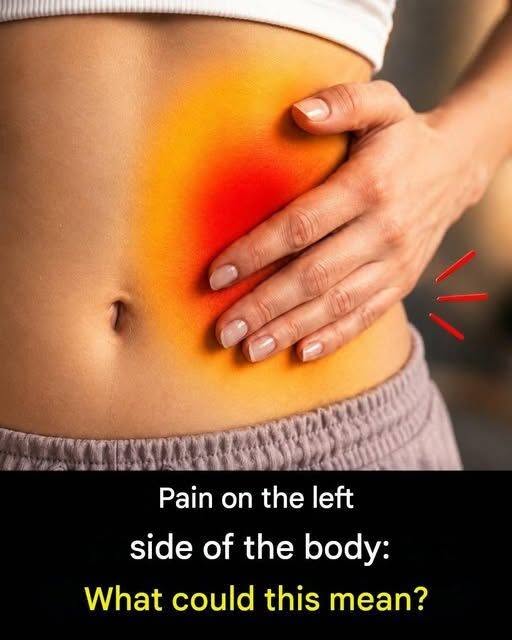
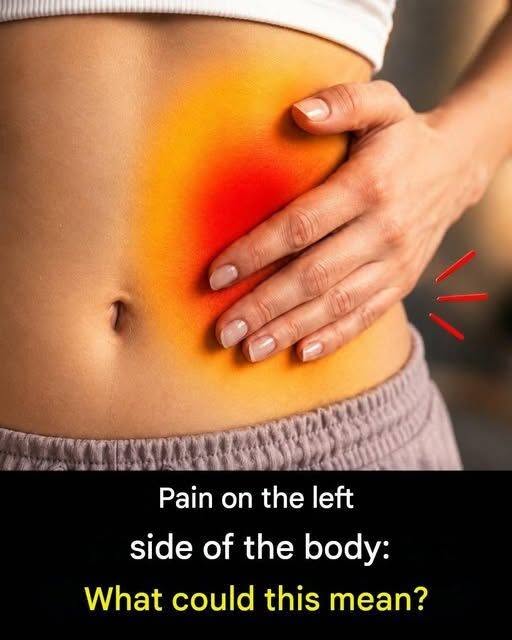
A viral image showing a woman holding the left side of her abdomen has sparked curiosity about what this type of pain might indicate.
The truth is that left-sided pain is not a diagnosis. It can arise from muscles, digestive organs, kidneys, reproductive organs, nerves, or even the heart, depending on exactly where the discomfort occurs.
Some causes are relatively harmless and improve on their own. Others require prompt medical attention.
Here are 12 possible explanations, the symptoms that may accompany them, and the warning signs you should never ignore.
Why Does the Left Side of Your Body Hurt?
Several important structures are located on or near the left side of the body.
These include:
- The stomach
- The spleen
- Parts of the small and large intestines
- The left kidney and ureter
- Abdominal muscles and nerves
- The pancreas, which extends toward the left upper abdomen
- The left ovary and fallopian tube in people who have these organs
Pain may also be referred from another area, meaning the discomfort is felt somewhere other than its actual source.
The most useful clues are often the exact location, severity, duration, and associated symptoms.
1. Trapped Gas and Bloating
One of the most common explanations for mild left-sided abdominal discomfort is intestinal gas.
Gas can accumulate in different parts of the digestive tract, causing pressure, cramps, or a feeling of fullness.
Common Symptoms
- Bloating
- Cramping
- Rumbling sounds
- Passing gas
- Discomfort that changes after a bowel movement
Gas-related pain may move around the abdomen and often improves as digestion progresses.
However, severe or persistent pain should not automatically be attributed to gas.
2. Constipation
Constipation can cause discomfort in the lower abdomen, including the left side.
When stool moves slowly through the colon, it can lead to pressure and cramping.
Signs of Constipation
- Infrequent bowel movements
- Hard or dry stools
- Straining
- Bloating
- Feeling that the bowel has not emptied completely
Adequate hydration, appropriate fiber intake, and physical activity may help some people.
Seek medical attention for severe pain, vomiting, significant abdominal swelling, or inability to pass stool or gas.
3. Diverticulitis
Diverticula are small pouches that can develop in the wall of the colon.
When one or more of these pouches become inflamed, the condition is called diverticulitis.
It commonly causes pain in the lower-left abdomen, although symptoms can vary.
Possible Symptoms
- Persistent lower-left abdominal pain
- Fever
- Nausea
- Changes in bowel habits
- Abdominal tenderness
Diverticulitis can range from mild inflammation to a more serious condition involving complications.
New, persistent abdominal pain accompanied by fever deserves prompt medical evaluation.
4. Irritable Bowel Syndrome (IBS)
Irritable bowel syndrome is a disorder involving interactions between the gut and the nervous system.
It can cause recurring abdominal discomfort associated with changes in bowel movements.
Common Symptoms
- Abdominal cramping
- Bloating
- Diarrhea
- Constipation
- Pain related to bowel movements
IBS can cause discomfort on either side of the abdomen.
However, unexplained weight loss, blood in the stool, anemia, or persistent fever are not typical features of uncomplicated IBS and require further investigation.
5. Kidney Stones
A kidney stone can cause intense pain when it moves through the urinary tract.
Pain may begin in the back or side and travel toward the lower abdomen or groin.
Possible Symptoms
- Severe pain in the flank
- Pain that comes in waves
- Nausea or vomiting
- Blood in the urine
- Frequent or painful urination
Kidney stones can be extremely painful.
Fever or chills with suspected kidney stone symptoms may indicate an infected obstruction and require emergency care.
6. Kidney Infection
A kidney infection, also called pyelonephritis, can cause pain in the back or side of the abdomen.
It usually occurs when bacteria infect the urinary tract and reach the kidney.
Warning Signs
- Fever
- Chills
- Pain in the side or back
- Burning during urination
- Frequent urination
- Nausea or vomiting
Kidney infections require medical treatment, often with antibiotics.
Prompt evaluation is particularly important during pregnancy, in people with diabetes, and in those with weakened immune systems.
7. Muscle Strain
Sometimes, the cause of left-sided pain is not an internal organ.
Abdominal and side muscles can become strained after exercise, lifting heavy objects, coughing, or sudden movements.
Typical Symptoms
- Pain that worsens when twisting or bending
- Localized tenderness
- Discomfort when coughing or laughing
- Pain following unusual physical activity
Mild muscle strains often improve gradually.
However, severe pain or pain without a clear muscular trigger should be evaluated rather than assumed to be a strain.
8. Gastritis or Stomach Ulcers
Pain in the upper-left or central upper abdomen may sometimes be related to the stomach.
Gastritis refers to inflammation of the stomach lining.
Peptic ulcers are sores that develop in the lining of the stomach or upper small intestine.
Possible Symptoms
- Burning or aching upper-abdominal pain
- Nausea
- Feeling full quickly
- Indigestion
- Discomfort associated with meals
Certain medications, including nonsteroidal anti-inflammatory drugs, and infection with Helicobacter pylori can contribute to ulcer disease.
Vomiting blood or passing black, tarry stools requires emergency medical assessment.
9. Pancreatitis
The pancreas is located behind the stomach and extends toward the left side of the upper abdomen.
Pancreatitis occurs when the pancreas becomes inflamed.
Possible Symptoms
- Significant upper-abdominal pain
- Pain extending into the back
- Nausea
- Vomiting
- Fever in some cases
Acute pancreatitis can be serious and often requires hospital treatment.
Severe, persistent upper-abdominal pain, particularly with repeated vomiting, needs urgent evaluation.
10. Spleen-Related Problems
The spleen is located in the upper-left abdomen beneath the rib cage.
It helps filter blood and supports immune function.
Certain illnesses can cause the spleen to enlarge, sometimes producing discomfort or a feeling of fullness.
Injury to the spleen can cause internal bleeding.
Warning Signs
- Pain beneath the left ribs
- Discomfort after abdominal injury
- Pain that may extend toward the left shoulder
- Dizziness or faintness following trauma
Severe left-upper abdominal pain after a fall, accident, or impact requires emergency assessment, especially if accompanied by weakness, dizziness, or fainting.
11. Ovarian Cysts and Other Gynecological Conditions
For people with ovaries, pain in the lower-left abdomen may originate from the reproductive system.
Possible causes include ovarian cysts, endometriosis, pelvic inflammatory disease, or menstrual-related discomfort.
Possible Symptoms
- One-sided pelvic pain
- Menstrual changes
- Pelvic pressure
- Pain during certain activities
- Nausea in some cases
A ruptured ovarian cyst can sometimes cause sudden pain.
Ovarian torsion, in which an ovary twists and compromises its blood supply, is a medical emergency.
Sudden severe one-sided pelvic pain, especially with nausea or vomiting, requires urgent assessment.
Important Pregnancy Warning
If pregnancy is possible, one-sided lower-abdominal pain can sometimes indicate an ectopic pregnancy.
An ectopic pregnancy occurs when a pregnancy develops outside the uterus, most commonly in a fallopian tube.
Symptoms may include one-sided pelvic pain, vaginal bleeding, dizziness, or shoulder-tip pain.
Severe pain, fainting, or shoulder-tip pain with a possible pregnancy requires emergency care.
Even milder one-sided pain with bleeding during early pregnancy should be assessed promptly.
12. Heart-Related Pain
Not all left-sided pain comes from the abdomen.
Discomfort on the left side of the chest, shoulder, arm, jaw, or upper back can sometimes be associated with heart disease.
A heart attack does not always cause the dramatic chest pain shown in movies.
Possible Warning Signs
- Chest pressure or tightness
- Pain spreading to an arm, jaw, neck, or back
- Shortness of breath
- Cold sweating
- Nausea
- Unexplained faintness
Some people experience less typical symptoms.
If you suspect a heart attack, call emergency medical services immediately.
Do not wait for the pain to become severe.
What Does the Location of Left-Sided Pain Tell You?
The exact location can help narrow down the possible causes.
| Pain location | Possible explanations |
|---|---|
| Upper-left abdomen | Stomach problems, gas, spleen conditions, pancreatitis |
| Lower-left abdomen | Constipation, diverticulitis, bowel disorders |
| Left flank or back | Kidney stones, kidney infection, muscle strain |
| Lower-left pelvis | Ovarian conditions, bowel problems, urinary conditions |
| Left chest or arm | Muscle or nerve problems, heart-related conditions |
These are possibilities, not definitive diagnoses.
Several conditions can produce pain in overlapping areas.
When Is Left-Sided Pain Dangerous?
Many episodes of mild abdominal discomfort are temporary.
However, certain symptoms should never be ignored.
Seek Emergency Medical Care If You Experience:
- Sudden, severe abdominal pain
- Chest pain or pressure with breathlessness or sweating
- Fainting, confusion, or signs of shock
- Severe abdominal pain after an injury
- Vomiting blood
- Black, tarry stools with concerning symptoms
- Severe pelvic pain with possible pregnancy
- Severe abdominal pain with a rigid or very tender abdomen
- Fever and severe flank pain with suspected urinary obstruction
Seek prompt medical advice for pain that persists, worsens, repeatedly returns, or occurs with fever, unexplained weight loss, or changes in bowel or urinary habits.
How Doctors Diagnose Left-Sided Pain
A healthcare professional may begin by asking several questions:
- Where exactly does it hurt?
- When did the pain begin?
- Is the pain sharp, dull, burning, or cramping?
- Does it come and go?
- Is it related to eating or bowel movements?
- Does movement make it worse?
- Are there urinary symptoms?
- Is there fever, nausea, or vomiting?
- Could pregnancy be possible?
A physical examination can help identify tenderness and other important findings.
Depending on the situation, tests may include blood tests, urine analysis, pregnancy testing, ultrasound, CT imaging, or an electrocardiogram.
Not everyone needs all these investigations.
The choice depends on the symptoms and suspected cause.
What Can You Do for Mild Left-Sided Abdominal Discomfort?
If the discomfort is mild, short-lived, and not accompanied by warning signs, some general measures may help.
1. Rest and Observe
Pay attention to whether the pain changes with movement, eating, or bowel movements.
2. Stay Hydrated
Drink water regularly unless a healthcare professional has advised you to restrict fluids.
3. Avoid Heavy Meals Temporarily
If digestive discomfort seems likely, smaller meals may be easier to tolerate.
4. Try Gentle Movement
A short walk may help with mild bloating or gas, provided movement does not worsen the pain.
5. Avoid Self-Medicating Without Understanding the Cause
Some painkillers can irritate the stomach or be unsuitable for certain medical conditions.
This is especially important during pregnancy or if you have kidney disease, ulcers, or take other medications.
6. Seek Advice If Symptoms Continue
Persistent or recurring pain deserves assessment even if it is not severe.
Home measures should never delay care for possible emergencies.
Frequently Asked Questions
Is pain on the left side always serious?
No. Many causes are relatively minor, including gas and muscle strain. However, persistent, severe, or unusual pain requires evaluation.
What organ is on the left side of the abdomen?
Several organs are located there, including the stomach, spleen, left kidney, and portions of the intestines. In people with ovaries, the left ovary is also in the pelvic region.
Can gas cause sharp pain on the left side?
Yes. Trapped intestinal gas can cause sharp or cramping discomfort, although other conditions can cause similar symptoms.
Why does my lower-left abdomen hurt?
Possible causes include constipation, diverticulitis, bowel disorders, urinary conditions, and gynecological problems.
Can kidney problems cause left-sided pain?
Yes. Kidney stones and infections may cause pain in the left flank or back.
Can stress cause left-sided abdominal discomfort?
Stress can influence digestive symptoms and muscle tension, but new or persistent pain should not automatically be attributed to stress.
Can left-sided pain be related to the heart?
Yes, particularly when the discomfort involves the chest, arm, jaw, or upper back and is associated with other heart-related symptoms.
Is left-sided abdominal pain normal during pregnancy?
Some mild discomfort can occur during pregnancy, but one-sided pain should not automatically be dismissed. Seek medical advice, especially if pain is persistent or accompanied by bleeding, fever, urinary symptoms, or contractions.
Can a pulled muscle cause pain on the left side?
Yes. Muscle strains can cause localized pain that worsens with movement, twisting, or coughing.
When should I see a doctor?
Seek evaluation if the pain is persistent, worsening, recurrent, or accompanied by concerning symptoms. Sudden severe pain or emergency warning signs require immediate care.
Final Thoughts: Left-Sided Pain Is a Clue, Not a Diagnosis
Pain on the left side of your body can have many explanations.
Sometimes, it is caused by trapped gas, constipation, or a strained muscle.
Other times, it may be associated with conditions affecting the kidneys, intestines, stomach, spleen, reproductive organs, or heart.
The important thing is not to panic—but also not to ignore persistent or unusual symptoms.
Pay attention to where the pain occurs, how it feels, how long it lasts, and whether other symptoms appear.
If the discomfort is severe, sudden, or accompanied by warning signs, seek urgent medical care.
Your body can provide important clues about your health, but understanding those clues often requires a proper medical assessment.
Listening to your body and seeking help when necessary is always better than relying on a viral image to explain your symptoms.
Medical disclaimer: This article is for educational purposes only and does not replace professional medical advice, diagnosis, or treatment.