Losing weight can feel overwhelming, especially when every week brings a new diet, a miracle drink, or a dramatic before-and-after transformation.
One day, you’re told to eliminate carbohydrates. The next, someone claims you must stop eating after 6 p.m. Then another viral post promises that a special tea can make belly fat disappear overnight.
But what if successful weight management didn’t require extreme restrictions?
The truth is that sustainable weight loss usually comes from small, consistent habits rather than drastic diets or quick fixes.
Healthcare professionals generally recommend approaches that improve overall health, support long-term behavior changes, and fit comfortably into everyday life.
If you’re tired of strict diets that leave you hungry, exhausted, or frustrated, these nine practical strategies can help you develop a healthier relationship with food, movement, and your body.
Why Strict Diets Often Fail
Many restrictive diets produce short-term weight loss, but maintaining those results can be difficult.
When people drastically reduce their food intake, they may experience:
- Persistent hunger
- Fatigue and irritability
- Strong cravings
- Difficulty concentrating
- Reduced enjoyment of meals
- Loss of muscle mass
- Difficulty maintaining the diet socially
The body also adapts to changes in energy intake and body weight.
As weight decreases, energy needs may decline, and appetite-related biological responses can make maintenance more challenging.
This helps explain why weight regain is common after highly restrictive diets.
Rather than relying on temporary rules, many clinicians encourage long-term habits that can be maintained without constant deprivation.
1. Start With Small, Realistic Changes
One of the biggest mistakes people make when trying to lose weight is changing everything at once.
They eliminate favorite foods, begin intense workouts, and expect immediate results.
Unfortunately, an overly ambitious routine can become exhausting.
A more sustainable approach is to start with one or two manageable changes.
For example:
- Replace sugary soda with water.
- Add vegetables to lunch and dinner.
- Walk for 15 minutes after a meal.
- Prepare breakfast at home more often.
- Reduce frequent late-night snacking.
Once a habit becomes comfortable, consider adding another.
Why This Works
Small changes are easier to repeat consistently.
And consistency matters more than following an extreme plan for a few days.
Remember: You don’t need a perfect routine. You need one that fits your life.
2. Build Balanced Meals Instead of Eliminating Food Groups
You don’t have to stop eating bread, rice, potatoes, or pasta to manage your weight.
Carbohydrates can be part of a balanced eating pattern.
The important factors include food quality, portions, and overall dietary balance.
A simple way to build meals is to imagine your plate divided into sections:
- Half filled with vegetables and fruit
- One-quarter with protein-rich foods
- One-quarter with whole grains or other starchy foods
Add a moderate amount of healthy fat, such as olive oil, nuts, or avocado.
This approach can help make meals more nutritious and satisfying.
Example of a Balanced Lunch
Try a meal containing:
- Grilled chicken or lentils
- Brown rice or roasted potatoes
- A generous serving of vegetables
- A little olive oil
- Water or unsweetened tea
You can enjoy satisfying meals without following an unnecessarily restrictive diet.
3. Eat Enough Protein to Stay Satisfied
Protein plays an important role in maintaining muscles, supporting tissue repair, and helping people feel satisfied after meals.
Including a protein source in your meals may make it easier to manage hunger.
Good sources include:
- Eggs
- Fish
- Chicken
- Greek yogurt
- Cottage cheese
- Lentils
- Chickpeas
- Beans
- Tofu
Why Protein Matters During Weight Loss
When people lose weight, they may lose both fat and lean tissue.
Adequate protein, combined with appropriate physical activity, can help preserve muscle.
This is especially important for older adults.
However, protein needs vary according to age, activity, health conditions, and body size.
People with certain kidney conditions may require individualized advice.
There’s no need to rely on expensive protein supplements if your usual diet provides enough protein.
4. Increase Fiber Naturally
Fiber is one of the most useful components of a healthy eating pattern.
It supports digestive health and can help meals feel more filling.
Fiber-rich foods often require more chewing and can contribute to satisfaction after eating.
Some excellent sources include:
- Oatmeal
- Lentils
- Beans
- Apples
- Pears
- Berries
- Broccoli
- Carrots
- Whole grains
- Chia seeds
A Simple Daily Habit
Try adding one fiber-rich food to each meal.
For example, eat oatmeal with fruit at breakfast, beans at lunch, and vegetables at dinner.
Increase fiber gradually to reduce bloating and digestive discomfort.
Drinking adequate fluids also helps support normal bowel function.
5. Walk More — Even If You Don’t Go to the Gym
You don’t need an expensive gym membership to become more active.
Walking is one of the most accessible forms of physical activity.
It can support cardiovascular health, improve fitness, and contribute to weight management.
You can begin with short walks and gradually increase your activity.
Easy Ways to Move More
- Walk for 10–15 minutes after dinner.
- Take the stairs when practical.
- Walk while talking on the phone.
- Park a little farther from your destination.
- Take short movement breaks during long periods of sitting.
- Enjoy weekend walks with family or friends.
For general health, adults are commonly advised to work toward at least 150 minutes of moderate-intensity aerobic activity per week, along with muscle-strengthening activities on at least two days.
However, even smaller amounts of movement can provide benefits.
Start at a level appropriate for your health and gradually progress.
6. Pay Attention to Sleep
Sleep is often overlooked when discussing weight management.
Yet sleep influences appetite, energy, mood, and daily habits.
People who regularly sleep too little may experience changes in hunger regulation and find it harder to maintain healthy routines.
Poor sleep can also leave you feeling too tired to exercise or prepare balanced meals.
How to Improve Your Sleep Routine
Try these habits:
- Keep a consistent bedtime.
- Aim for approximately 7–9 hours of sleep if you’re an adult.
- Limit caffeine late in the day.
- Keep your bedroom dark and comfortable.
- Reduce screen exposure before bed.
- Avoid large meals if they cause nighttime discomfort.
Sleep alone doesn’t guarantee weight loss, but it can support the behaviors that make healthy weight management easier.
7. Drink Water and Watch Liquid Calories
Many beverages contain more calories than people realize.
Sweetened coffee drinks, sodas, energy drinks, and fruit-flavored beverages can contribute substantial amounts of added sugar.
Replacing some of these drinks with water can reduce calorie intake without requiring major changes to meals.
What Should You Drink?
Good everyday choices include:
- Plain water
- Sparkling water without added sugar
- Unsweetened tea
- Unsweetened coffee, if tolerated
- Water flavored with fresh fruit
There is no need to drink excessive amounts of water.
Hydration needs depend on activity, climate, diet, and individual health.
Does Lemon Water Burn Belly Fat?
No.
Lemon water can be refreshing, but it doesn’t selectively burn abdominal fat.
Its potential usefulness comes mainly from helping someone enjoy water instead of higher-calorie beverages.
8. Practice Mindful Eating Instead of Constantly Counting Calories
Some people find food tracking useful, but others experience frustration or anxiety when trying to count every calorie.
Mindful eating offers another approach.
It involves paying attention to hunger, fullness, food choices, and the eating experience.
Simple Mindful Eating Habits
- Sit down while eating.
- Eat more slowly.
- Put your phone aside during meals.
- Notice when you’re comfortably satisfied.
- Avoid automatically finishing oversized portions.
- Pay attention to emotional eating triggers.
Mindful eating doesn’t mean ignoring nutritional needs or never tracking food.
It simply encourages greater awareness of eating habits.
Can You Still Enjoy Dessert?
Absolutely.
A sustainable eating pattern can include favorite foods.
Rather than labeling foods as completely forbidden, consider portions, frequency, and your overall dietary pattern.
An occasional dessert does not undo weeks of healthy habits.
9. Manage Stress and Get Support When You Need It
Stress can affect appetite, sleep, energy, and eating behaviors.
Some people eat less when they’re stressed, while others find themselves snacking more frequently.
Chronic stress can also make it harder to maintain consistent routines.
Simple Ways to Reduce Stress
Consider trying:
- Gentle stretching
- Breathing exercises
- Spending time outdoors
- Listening to relaxing music
- Talking with friends or family
- Taking regular breaks from work
- Participating in enjoyable hobbies
You don’t need to eliminate stress completely to improve your health.
Instead, focus on developing healthy ways to respond to it.
When Professional Support Can Help
Sometimes weight management is difficult despite consistent lifestyle changes.
Medical conditions, medications, hormonal factors, and genetics may contribute.
A healthcare professional can help assess these factors and discuss suitable options.
For some individuals, evidence-based weight-management medications or other medical treatments may be appropriate.
Needing additional support is not a sign of failure.
How Quickly Can You Lose Weight Naturally?
Weight loss varies considerably from person to person.
For many nonpregnant adults who would benefit from losing weight, a commonly recommended gradual pace is approximately 0.5–1 kilogram (1–2 pounds) per week.
However, this is a general guideline rather than a target everyone must reach.
Some people lose weight more slowly.
Others experience temporary fluctuations because of hydration, digestion, menstrual cycles, or changes in activity.
Weight can also change without reflecting an equivalent change in body fat.
The goal is sustainable progress, not racing toward a particular number.
Why Losing Just 5% of Your Body Weight Can Matter
You don’t necessarily need a dramatic transformation to experience health benefits.
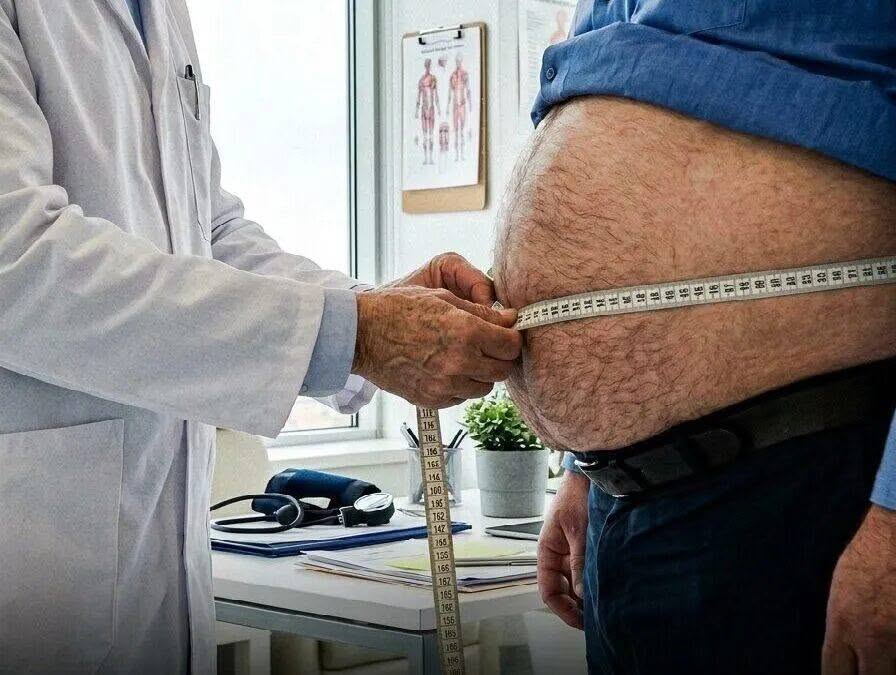
For some adults with excess weight, losing approximately 5% of starting body weight can improve certain health indicators.
For example, someone weighing 100 kilograms who loses 5 kilograms has achieved a 5% reduction.
Depending on the individual, modest weight loss may support improvements in blood pressure, blood glucose, and other metabolic markers.
However, health improvements can also occur through better nutrition, exercise, and sleep even when the scale changes very little.
How to Track Progress Without Becoming Obsessed With the Scale
Body weight is only one measure of progress.
Other useful indicators include:
- Improved energy levels
- Better physical endurance
- Increased strength
- More comfortable movement
- Improved sleep
- Better blood pressure or blood glucose measurements
- Greater consistency with healthy routines
If weighing yourself is helpful, use a consistent approach and focus on longer-term trends.
If frequent weighing causes distress, discuss alternative ways of tracking progress with a healthcare professional.
A Simple 7-Day Plan to Start Building Healthier Habits
You don’t need to change your entire lifestyle immediately.
Try introducing one manageable habit each day.
| Day | Simple Healthy Habit |
|---|---|
| Monday | Replace one sugary drink with water |
| Tuesday | Add vegetables to lunch and dinner |
| Wednesday | Take a 15-minute walk |
| Thursday | Include protein at breakfast |
| Friday | Establish a consistent bedtime |
| Saturday | Prepare one balanced homemade meal |
| Sunday | Review your progress and plan the next week |
You can repeat this plan, adjust it to your schedule, and gradually build on the habits that work best.
Common Weight-Loss Myths You Should Stop Believing
Myth 1: You Must Stop Eating Bread to Lose Weight
False. Bread can fit into a balanced eating pattern. Portion sizes and overall food choices matter more than eliminating one food.
Myth 2: Eating After 6 p.m. Automatically Causes Weight Gain
False. Eating time alone doesn’t determine weight gain. Overall intake, food choices, sleep, and personal routines are more important.
Myth 3: You Need Intense Workouts Every Day
False. Walking and other moderate activities can provide meaningful benefits. Strength training is also valuable.
Myth 4: Skipping Meals Always Helps
Not necessarily. Some people find structured meal timing useful, while others become excessively hungry and overeat later.
Myth 5: Detox Teas Melt Belly Fat
False. No tea has been proven to selectively eliminate abdominal fat.
Myth 6: Healthy Food Must Be Expensive
False. Beans, lentils, oats, eggs, frozen vegetables, and seasonal produce can be affordable, nutritious choices.
Myth 7: Weight Loss Is Only About Willpower
False. Biology, genetics, medications, health conditions, stress, and the environment all influence weight regulation.
Important: Weight-Loss Advice Is Not Appropriate for Everyone
Intentional weight loss is not automatically recommended for every person.
During pregnancy, restrictive dieting and intentional weight-loss programs should generally be avoided unless specifically directed by an obstetric healthcare professional.
Pregnancy requires adequate nutrition to support both maternal health and fetal development.
Children, teenagers, people with eating disorders, and individuals with certain medical conditions also need individualized guidance.
The healthiest goal depends on the person’s age, medical history, nutritional needs, and circumstances.
Frequently Asked Questions
Can I lose weight without following a strict diet?
Yes. Sustainable changes in eating patterns, activity, and daily habits can support weight management without extreme restrictions.
What is the easiest way to start losing weight naturally?
Begin with one or two achievable habits, such as reducing sugary beverages and walking regularly.
Do I need to count calories?
Not necessarily. Some people benefit from tracking, while others prefer portion awareness and balanced meals.
Can walking help reduce belly fat?
Walking contributes to overall physical activity and can support body-fat reduction when combined with appropriate nutrition. It doesn’t specifically target abdominal fat.
Is drinking water before meals helpful?
Water supports hydration, and replacing sugary beverages can reduce calorie intake. Drinking water isn’t a guaranteed weight-loss technique.
Should I eliminate carbohydrates?
No. Whole grains, fruit, vegetables, and legumes provide valuable nutrients and can be included in healthy eating patterns.
Why am I not losing weight despite eating less?
Several factors may contribute, including changes in energy needs, medications, medical conditions, portion estimates, and water retention. A clinician or registered dietitian can help investigate persistent concerns.
Can I lose weight without going to the gym?
Yes. Walking, home-based exercise, and other everyday activities can support weight management.
What matters more: diet or exercise?
Both play important roles. Nutrition often has a substantial influence on weight loss, while physical activity provides many health benefits and helps with long-term maintenance.
Final Thoughts: Healthy Weight Management Doesn’t Have to Be Miserable
Losing weight doesn’t require starving yourself, giving up every favorite food, or following a complicated plan.
For many people, the most effective approach is to build realistic habits that improve health and can be maintained over time.
Start small.
Eat balanced meals.
Move your body in ways you enjoy.
Prioritize sleep.
Manage stress.
And remember that progress doesn’t always appear immediately on the scale.
The goal isn’t to follow the strictest diet for a few weeks. It’s to create a healthier lifestyle you can actually enjoy for years to come. 💚