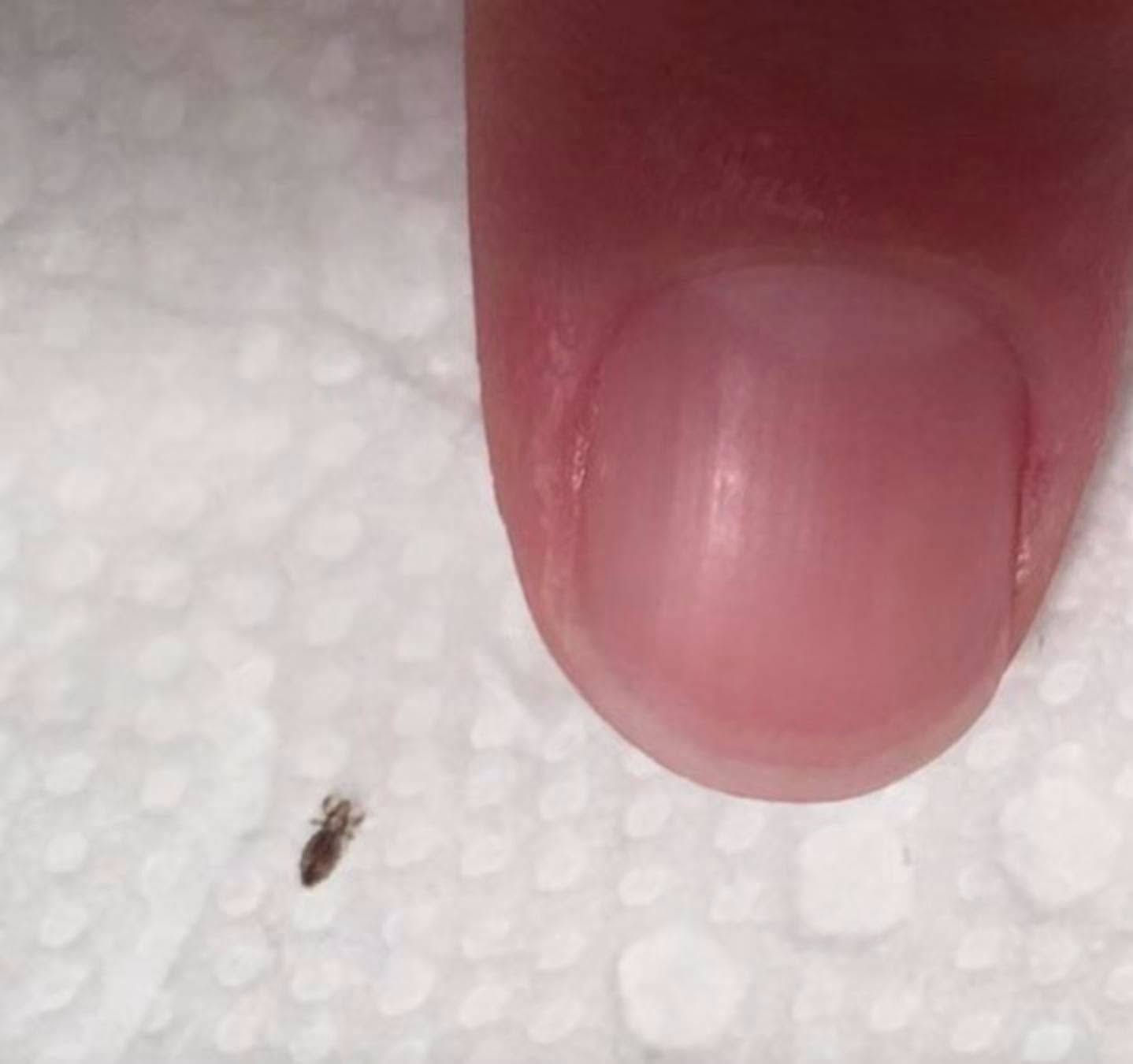
Finding a tiny insect crawling through your toddler’s hair can immediately make you worry—especially if your child attends daycare several times a week.
The first thought for many parents is:
“Is this head lice?”
It certainly could be, because head lice are common among preschool and elementary-school-aged children. However, you should not diagnose head lice from a single photograph of an unidentified insect.
The good news is that head lice are manageable, they are not a sign of poor hygiene, and they are not known to transmit disease.
Here’s how to check your child properly and what to do if you discover lice.
What Are Head Lice?
Head lice are tiny parasitic insects that live close to the human scalp and feed on small amounts of blood.
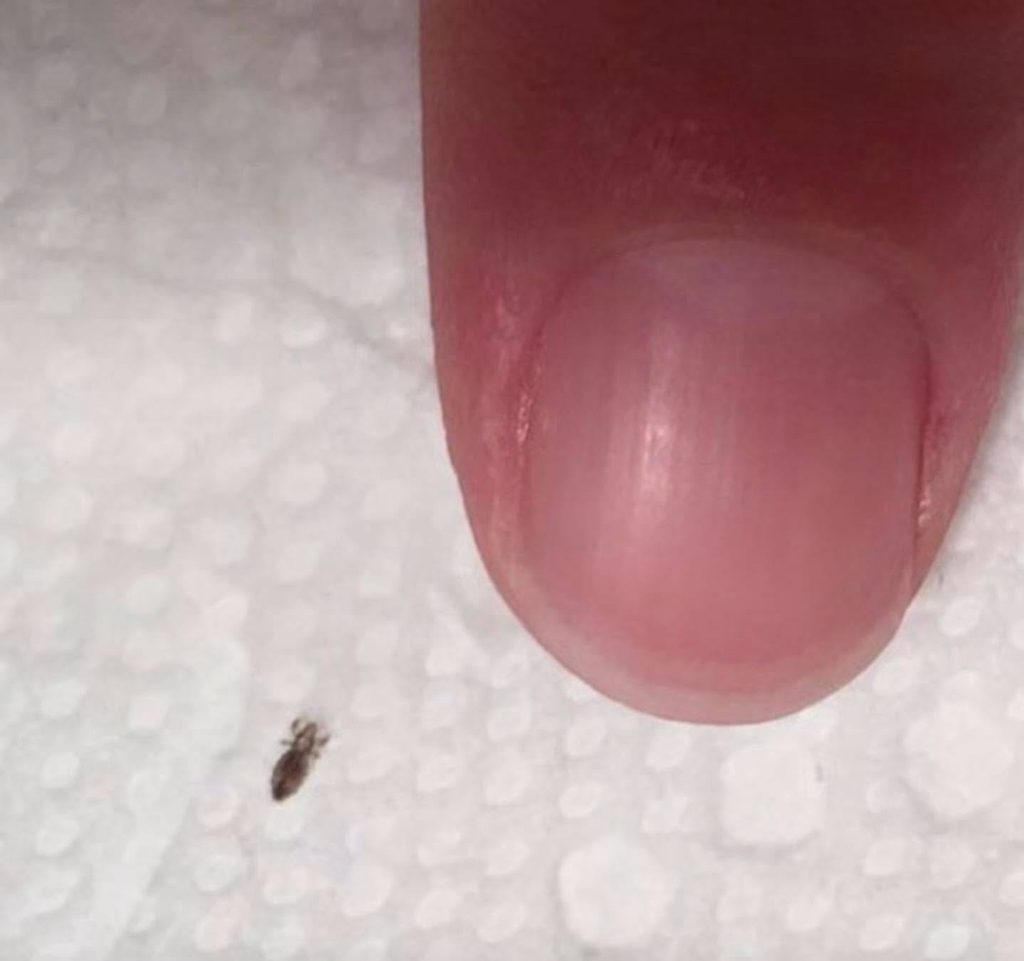
An adult head louse is only about 2–3 millimeters long—roughly the size of a sesame seed.
Young lice, called nymphs, are even smaller.
Their small size is one reason parents may overlook them until they find an insect crawling through the hair or notice eggs attached to individual hairs.
Could the Tiny Bug in the Photo Be a Head Louse?
The insect shown in a viral photograph may resemble a tiny louse-like insect, but a photograph alone isn’t enough for a reliable identification.
Many tiny insects and pieces of debris can look surprisingly similar when photographed close-up.
Instead of relying on the viral image, examine the child’s actual scalp.
The strongest evidence of an active head-lice infestation is finding a live crawling louse in the hair or on the scalp.
Where Should Parents Look First? 🔍
Head lice can be difficult to find because they’re tiny and move relatively quickly.
When examining your child, pay particularly close attention to:
Behind the ears
and
The back of the neck near the hairline.
Use bright lighting.
Separate the hair into small sections and examine the scalp carefully.
A fine-toothed lice comb can make the process much easier.
What Do Head Lice Look Like?
Adult lice are approximately the size of sesame seeds.
They have six legs and can appear tan, grayish, or brownish.
Nymphs look similar but are much smaller.
One important fact:
Head lice cannot fly.
They cannot jump.
They move by crawling.
So the idea of lice jumping from one child’s head across a classroom is a myth.
What Are Nits?
“Nits” is the term commonly used for lice eggs.
Female lice attach their eggs directly to individual hair shafts close to the scalp.
They are extremely small and can be difficult to distinguish from other particles in the hair.
This creates one of the biggest problems with diagnosing head lice.
Parents frequently mistake dandruff for nits.
Nits vs. Dandruff: How Can You Tell?
Dandruff and lint generally move or brush away relatively easily.
A nit is attached firmly to the hair shaft.
If you gently run your fingers along the hair, ordinary debris may slide away.
A nit tends to remain attached.
Nits very close to the scalp are more relevant when determining whether an infestation may be active.
Eggs located much farther down the hair shaft may already be hatched or dead.
Does an Itchy Head Mean Lice?
Not necessarily.
An itchy scalp has many possible causes.
However, itching is one of the most common symptoms associated with head lice.
Other possible signs include:
A tickling or crawling sensation
Difficulty sleeping
Irritability
and
Small sores caused by repeated scratching.
Interestingly, a child can have head lice without immediately becoming itchy.
During a first infestation, itching may take several weeks to develop.
So don’t wait for intense scratching before checking the hair if you have already found a suspicious insect.
Why Are Lice Common in Daycare? 🧸
Young children frequently play very close together.
They hug.
They lean against one another.
They sit close during activities.
Their heads may touch while playing, reading, watching something, or resting.
This provides an opportunity for lice to crawl directly from one person’s hair to another.
Head-to-head contact is the main way head lice spread.
Daycare attendance itself doesn’t mean a child will get lice, but close contact between young children creates opportunities for transmission.
Head Lice Have Nothing to Do With Being Dirty
This myth causes unnecessary embarrassment for families.
A child can have freshly washed hair and still get lice.
Head lice are spread primarily through close contact—not because someone’s home or hair is dirty.
Finding lice shouldn’t be treated as evidence that parents aren’t caring properly for their child.
Can Lice Spread Through Hats and Combs?
It is possible for lice to spread through recently used personal items, although direct hair-to-hair contact is considered the main route.
To reduce unnecessary sharing during an infestation, children shouldn’t share:
Hairbrushes
Combs
Hats
Hair accessories
Towels
or similar personal items.
But there is no reason to panic and throw everything in your house away.
What Should You Do If You Find a Live Louse?
If you find a live crawling louse, carefully examine the entire scalp.
Then check other people living in the household.
Pay special attention to people who:
Share a bed with the child
or
Have frequent close head-to-head contact.
Household members shouldn’t automatically receive medication simply because one person has lice. Treatment should be directed appropriately toward people who are actually infested or according to professional guidance.
How Are Head Lice Treated?
Several treatments for head lice are available.
Depending on where you live, some can be purchased without a prescription while others require a prescription.
The most important rule is:
Follow the product instructions exactly.
Don’t assume that leaving a treatment on twice as long will make it twice as effective.
More medicine isn’t necessarily better and may increase irritation or other risks.
Because the child in this situation is a toddler, parents should pay particular attention to the minimum age listed on the treatment and consult a pediatrician or pharmacist if unsure.
Some Treatments Need to Be Repeated
This is an important reason treatments sometimes appear to “fail.”
Some lice medicines kill crawling lice but don’t reliably kill every egg.
New lice can therefore hatch after the initial treatment.
Depending on the specific medication, a second treatment may be required approximately a week later.
Always follow the instructions for the exact product being used rather than automatically repeating every treatment.
A Fine-Toothed Lice Comb Can Help
A specialized lice or nit comb can help remove crawling lice and eggs from the hair.
Work systematically.
Divide the hair into sections and comb carefully from near the scalp toward the ends.
Clean the comb regularly as you work.
Continue checking the hair after treatment according to the recommended schedule.
Don’t Use Dangerous DIY Treatments 🚫
Social media contains many homemade lice remedies.
Parents may be told to cover a child’s scalp with:
Gasoline
Kerosene
Insecticide
Household pesticides
Strong essential oils
or other inappropriate substances.
Never use these dangerous approaches.
A toddler’s scalp is sensitive, and certain substances can cause poisoning, burns, irritation, allergic reactions, or other injuries.
Use products specifically intended and age-appropriate for treating head lice.
What About Mayonnaise and Oils?
You may have heard that coating the hair in mayonnaise, olive oil, coconut oil, or petroleum jelly “suffocates” every louse.
These home remedies shouldn’t be assumed to be reliable replacements for appropriately tested lice treatments.
The safest approach is to use recommended treatments correctly and ask a healthcare professional if you’re uncertain.
Don’t Spray Your House With Pesticides
Finding lice often makes parents want to disinfect the entire home.
But head lice primarily live on people.
Household pesticide sprays, foggers, and “lice bombs” aren’t necessary for routine head-lice control and can expose your family to potentially harmful chemicals.
Concentrate on the child’s hair and appropriate cleaning of recently used personal items.
Do You Need to Deep-Clean the Entire House? 🧹
No.
You don’t need to spend days disinfecting every wall, toy, floor, curtain, and piece of furniture.
Head lice don’t survive well away from a human host.
Reasonable cleaning is enough.
Vacuum areas where the child frequently sat or lay.
Wash recently used items that had close contact with the child’s head, such as:
Pillowcases
Bed linens
Towels
Hats
and some clothing.
There is no need to throw these items away.
What About Stuffed Animals?
Parents sometimes panic and throw away their children’s favorite toys.
That’s usually unnecessary.
If a non-washable item had substantial recent contact with the child’s head and you’re concerned, it can be temporarily isolated according to appropriate lice-control guidance.
But turning the entire home upside down is generally unnecessary.
Clean Brushes and Combs
Combs and brushes used by someone with lice should be cleaned appropriately.
Don’t immediately share them among family members.
The goal is sensible prevention—not sterilizing the entire household.
Do Pets Spread Head Lice? 🐕🐈
No.
Human head lice live on humans.
Your dog or cat isn’t responsible for giving your toddler human head lice.
There’s no reason to treat household pets for human head lice.
Should Your Child Be Sent Home From Daycare Immediately?
Policies vary between childcare centers, but from a health perspective, finding head lice doesn’t necessarily mean a child needs to be immediately excluded for an extended period.
Children can generally return after appropriate treatment has begun, depending on the facility’s policy.
Policies that require every single nit to disappear before a child returns are increasingly discouraged because nits can remain attached even after successful treatment.
Check your daycare’s specific policy.
Should You Tell the Daycare?
Yes, informing the daycare can be useful.
It doesn’t need to be embarrassing.
The daycare may need to alert families appropriately or remind parents to check their children’s hair.
This can help identify other cases and reduce continued transmission.
Check Brothers and Sisters Too
If one child has confirmed head lice, examine other household members.
Don’t forget siblings who aren’t scratching.
Someone can have lice without obvious symptoms.
Look carefully behind the ears and around the back of the neck.
A fine-toothed lice comb can make detection easier.
Why Does Treatment Sometimes Fail?
Finding lice again after treatment doesn’t automatically mean the parent did something wrong.
Possible explanations include:
Incorrect initial diagnosis
Incorrect treatment application
Not repeating a treatment when required
Reinfestation from an untreated close contact
or
Reduced effectiveness of a particular product against local lice.
If you’ve carefully followed treatment instructions but continue finding active crawling lice, contact your pediatrician or pharmacist rather than repeatedly applying the same medication.
Don’t Keep Applying More Treatment
Parents understandably want the problem gone immediately.
But repeatedly applying lice medication more often than directed can be harmful.
If treatment appears unsuccessful, get professional advice.
A different treatment may be needed.
Scratching Can Cause Another Problem
Head lice themselves aren’t known to spread disease.
However, intense scratching can damage the skin.
Repeated scratching can create small sores, and damaged skin can sometimes develop a bacterial infection.
Watch for:
Increasing redness
Swelling
Warmth
Pain
Pus
or worsening sores.
If these appear, contact a healthcare professional.
When Should You Call Your Pediatrician?
Consider professional advice if:
You aren’t sure the insect is actually a head louse.
Your child is very young and you’re unsure which treatment is age-appropriate.
Treatment doesn’t appear to work despite correct use.
The scalp becomes significantly irritated.
Scratching causes sores that appear infected.
You repeatedly find live crawling lice after treatment.
A pediatrician, pharmacist, or other healthcare professional can help select an appropriate next step.
A Simple Parent Checklist ✅
If you find a suspicious insect in your child’s hair:
1. Don’t panic.
2. Don’t diagnose it solely from a photograph.
3. Examine the scalp under bright light.
4. Check behind the ears and near the back of the neck.
5. Use a fine-toothed lice comb.
6. Look specifically for live crawling lice.
7. Check household members and close contacts.
8. If lice are confirmed, use an age-appropriate treatment exactly as directed.
9. Clean recently used bedding, towels, brushes, and similar items appropriately.
10. Inform the daycare if lice are confirmed.
11. Continue checking the hair after treatment.
The Bottom Line 👶🔍
Finding a tiny bug in your toddler’s hair after daycare can certainly be alarming.
Head lice are one possibility, but a photograph alone cannot confirm that the insect shown is definitely a head louse.
The best way to confirm an active infestation is to find a live crawling louse on the scalp or in the hair. Nits may also be present, especially close to the scalp, but they can easily be confused with dandruff and other debris.
If lice are confirmed, don’t panic.
They’re common among young children, they aren’t caused by poor hygiene, they don’t jump or fly, and head lice aren’t known to transmit disease.
Use an appropriate, age-safe treatment as directed, check close contacts, and avoid dangerous DIY remedies or unnecessary pesticide spraying around your home.
Most importantly, remember: