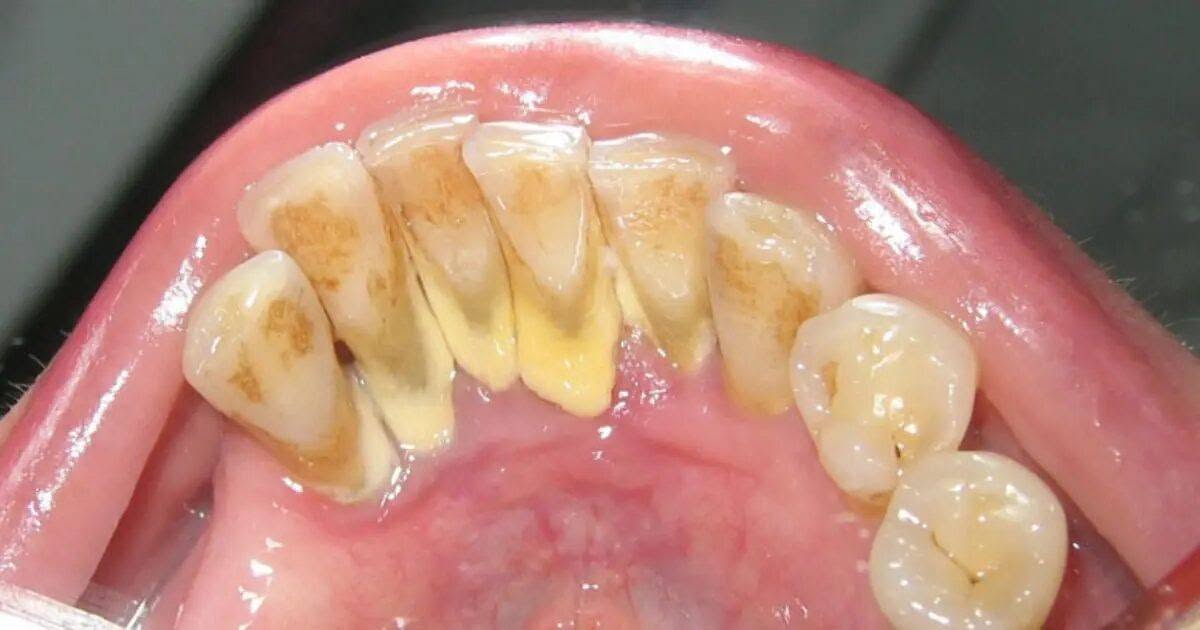
Have you ever looked closely at your teeth and noticed a yellowish or brown buildup near the gumline, especially behind the lower front teeth?
Many viral posts promise that a homemade mixture can dissolve this buildup in minutes. Baking soda, lemon, vinegar, salt, coconut oil, and even sharp tools are frequently promoted as “natural tartar removers.”
But there is an important fact you need to know:
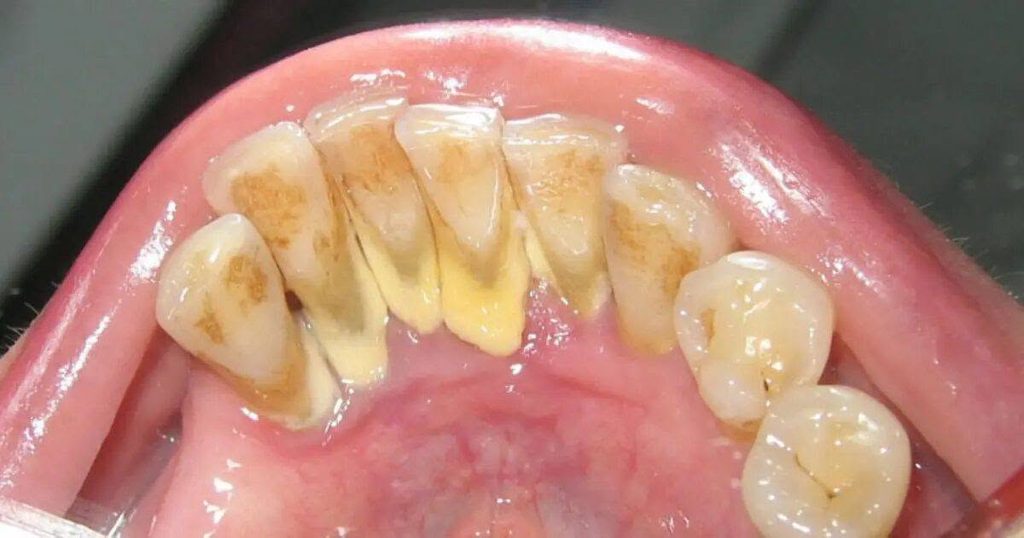
Plaque and tartar are not the same thing.
Soft dental plaque can be removed and controlled at home. But once plaque hardens into tartar, also called dental calculus, ordinary brushing cannot remove it. Professional dental cleaning is generally needed.
Understanding this difference is the key to protecting both your teeth and gums.
What Is Dental Plaque?
Dental plaque is a sticky film containing bacteria that constantly develops on your teeth.
It tends to accumulate particularly around:
- The gumline
- Between teeth
- Behind the lower front teeth
- Crowded teeth
- Dental restorations
- Areas that are difficult to brush
Plaque can be almost invisible at first.
But if it isn’t regularly removed, it can contribute to tooth decay and gum inflammation.
Plaque Can Eventually Turn Into Tartar
Plaque is relatively soft when it first develops.
That’s why brushing and cleaning between your teeth are so important.
If plaque remains on the tooth long enough, minerals can cause it to harden.
The hardened deposit is known as tartar or calculus.
It may appear:
Yellow
Brown
or sometimes darker, particularly around or beneath the gumline.
Once substantial tartar forms, your toothbrush isn’t designed to scrape it away.
Why Tartar Often Appears Behind the Lower Front Teeth
Have you ever wondered why the back of the lower front teeth can develop buildup so quickly?
Salivary gland openings are located nearby.
Minerals in saliva can contribute to plaque becoming mineralized.
That makes this area particularly prone to calculus buildup in some people.
Even someone who brushes regularly may notice deposits developing there.
Can You Remove Plaque Naturally?
Yes—if we’re talking about soft plaque.
And the most effective approach isn’t an exotic homemade recipe.
It’s mechanical cleaning.
That means:
Brushing properly.
Cleaning between the teeth.
Doing both consistently.
These simple habits disrupt plaque before it has enough time to become hardened calculus.
Step 1: Brush Twice Every Day 🪥
Brush your teeth twice daily for approximately two minutes using fluoride toothpaste.
Two minutes may feel surprisingly long.
Try dividing your mouth into four sections and spending approximately 30 seconds on each:
Upper right
Upper left
Lower right
Lower left
This makes it less likely that you’ll repeatedly clean the easy-to-reach front teeth while neglecting the back teeth.
Pay Special Attention to the Gumline
Plaque loves the area where your teeth meet your gums.
Instead of brushing only the visible centers of your teeth, gently clean around the gumline too.
A common brushing approach is to position the bristles toward the gumline at approximately a 45-degree angle and use gentle short movements.
Don’t aggressively scrub back and forth.
Harder brushing doesn’t mean cleaner teeth.
Excessive pressure can irritate the gums and contribute to tooth wear.
Use a Soft-Bristled Toothbrush
For most people, a soft-bristled toothbrush is a sensible choice.
You don’t need extremely hard bristles to remove plaque.
The objective is to disturb the soft bacterial film—not sand down your teeth.
Replace the toothbrush or brush head when the bristles become frayed, typically around every three to four months for many brushes.
Step 2: Clean Between Your Teeth Every Day 🧵
This is one of the most important steps—and one of the most frequently skipped.
A toothbrush cannot effectively clean every tight space between your teeth.
That’s why plaque can accumulate there even in people who brush twice daily.
Options for interdental cleaning include:
Dental floss
Floss picks
Interdental brushes
Water flossers
The most appropriate option depends on your teeth and gums.
The important part is cleaning these areas regularly.
How to Floss Without Hurting Your Gums
Don’t force floss violently downward.
Guide it gently between two teeth.
Curve it around the side of one tooth in a C-shape and move it carefully along the tooth surface near the gumline.
Then repeat against the neighboring tooth.
Continue around your mouth.
If you’re unsure about your technique, a dental professional can demonstrate it.
Why Do My Gums Bleed When I Floss?
People sometimes stop flossing because they notice bleeding.
Bleeding can occur if floss is being used too aggressively.
However, gums that are inflamed from plaque buildup can also bleed easily.
Persistent bleeding shouldn’t simply be ignored.
If your gums repeatedly bleed, become swollen, painful, or increasingly red, arrange a dental examination.
Can You Brush Tartar Away?
Once substantial plaque has hardened into calculus, brushing generally won’t remove it.
This is where many people make a dangerous mistake.
They brush harder.
Then harder.
Then they start scraping.
But aggressive brushing doesn’t turn your toothbrush into a professional scaling instrument.
You may simply injure your gums or wear tooth surfaces while the hardened deposit remains attached.
Never Scrape Tartar With Sharp Objects 🚫
Videos online sometimes show people removing tartar themselves using:
Needles
Pins
Metal picks
Knives
or inexpensive dental-looking instruments purchased online.
This can be risky.
You can:
Cut your gums
Damage tooth surfaces
Push bacteria into irritated tissue
or miss deposits underneath the gumline.
Dental scaling should be performed by an appropriately trained dental professional.
What Happens During Professional Cleaning?
A dentist or dental hygienist uses specialized instruments to remove plaque and hardened calculus from tooth surfaces.
When gum disease is more advanced, deeper cleaning beneath the gumline may be required.
Professional cleaning isn’t simply cosmetic.
Removing deposits makes it easier to maintain healthy tooth and gum surfaces afterward.
Does Removing Tartar Create Gaps Between Teeth?
Some people are shocked after having heavy tartar removed.
Suddenly, spaces appear between teeth that weren’t obvious before.
This can lead to the belief that professional cleaning “created” the gaps.
In reality, thick calculus may have been filling or hiding those spaces.
Removing the deposit reveals the underlying condition.
The tartar wasn’t beneficial structure holding your teeth together.
What About Baking Soda?
Baking soda is probably the most famous natural dental-cleaning ingredient online.
Some toothpastes contain bicarbonate in professionally formulated products.
But that doesn’t mean you should aggressively scrub your teeth with homemade baking-soda mixtures.
And baking soda should not be expected to magically dissolve substantial hardened calculus.
If the deposit is firmly attached to the tooth, professional cleaning is the appropriate solution.
Does Lemon Juice Remove Plaque? 🍋
Lemon juice is often promoted as a natural whitening and tartar-removal remedy.
But lemon is highly acidic.
Repeated exposure of teeth to strong acids can contribute to enamel erosion.
Your enamel is the hard protective outer surface of your teeth.
Once substantial enamel has been lost, your body doesn’t simply regenerate a brand-new layer.
So don’t trade long-term enamel health for a temporary change in appearance.
What About Vinegar?
Vinegar is excellent for certain household cleaning jobs.
Your teeth aren’t household appliances.
Its acidity makes repeated direct use on teeth a poor strategy for dental cleaning.
Even if something can dissolve mineral deposits on a kitchen surface, that doesn’t mean it belongs on tooth enamel.
Salt Isn’t a Miracle Plaque Remover Either
Salt appears in many traditional tooth-cleaning recipes.
But aggressively rubbing coarse salt against teeth and gums isn’t necessary.
Plaque removal doesn’t require painful abrasive scrubbing.
A soft toothbrush, fluoride toothpaste, and interdental cleaning are much more sensible daily tools.
What About Hydrogen Peroxide?
Some commercial dental products contain carefully formulated concentrations of peroxide.
That doesn’t mean concentrated peroxide should be experimented with at home.
Incorrect use can irritate the gums and other tissues inside the mouth.
Follow professionally formulated product directions rather than creating increasingly strong DIY mixtures.
Does Coconut Oil Remove Tartar? 🥥
Oil pulling has become extremely popular online.
Some people swish coconut or another edible oil around their mouths for several minutes.
Even if someone enjoys this practice, it shouldn’t replace the basics:
Toothbrushing.
Fluoride toothpaste.
Interdental cleaning.
Professional dental care.
And oil pulling should not be expected to remove hardened calculus attached to the teeth.
Why Fluoride Toothpaste Matters
Cleaning teeth isn’t only about removing visible dirt.
Fluoride toothpaste helps protect teeth against decay.
That’s why brushing with an appropriate fluoride toothpaste is generally recommended rather than brushing only with water or relying entirely on homemade powders.
You don’t need a huge amount of toothpaste.
Technique and consistency matter more than covering the entire toothbrush with paste.
Manual or Electric Toothbrush?
Both can work well when used correctly.
An electric toothbrush can be useful for people who have difficulty brushing effectively or who simply find powered brushing easier.
But an expensive electric toothbrush doesn’t automatically compensate for poor technique.
You still need to:
Reach every tooth
Brush long enough
Clean around the gumline
and
Clean between your teeth.
Should You Use Mouthwash?
Mouthwash can be useful for some people, particularly when a dentist recommends a specific therapeutic product.
But mouthwash isn’t a replacement for physical plaque removal.
You cannot simply rinse for 30 seconds and expect all the plaque between your teeth to disappear.
Think of appropriate mouthwash as a possible addition to good oral hygiene—not a substitute for brushing and interdental cleaning.
Don’t Forget Your Tongue 👅
Your tongue can collect bacteria and food debris.
Gently brushing your tongue or using a tongue scraper may help reduce tongue coating and improve breath.
Don’t scrape aggressively.
Your tongue shouldn’t bleed after cleaning.
Why Plaque Is Bad for Your Gums
When plaque remains around the gumline, bacteria can contribute to inflammation.
The earliest stage of gum disease is known as gingivitis.
Common signs can include:
Red gums
Swollen gums
Tenderness
and
Bleeding during brushing or flossing.
The good news is that gingivitis can often improve with effective plaque control and appropriate professional dental care.
When Gum Disease Becomes More Serious
If gum disease progresses, it can develop into periodontitis.
This is much more serious than simple gingivitis.
Periodontitis affects the tissues supporting the teeth and can involve bone loss.
Possible warning signs include:
- Receding gums
- Persistent bad breath
- Bleeding gums
- Loose teeth
- Changes in how teeth fit together
- Pain or difficulty chewing
Advanced periodontal disease requires professional treatment.
No homemade paste can rebuild lost supporting bone around a tooth.
Can Tartar Cause Bad Breath?
Plaque and gum disease can contribute to persistent bad breath.
However, bad breath can have several causes.
If brushing, interdental cleaning, tongue cleaning, and hydration don’t improve persistent bad breath, a dental examination can help identify the reason.
Does Yellow Buildup Always Mean Tartar?
Not necessarily.
Teeth can develop discoloration from:
Coffee
Tea
Tobacco
Certain foods
and other sources.
Natural tooth color also varies.
A photograph alone cannot always distinguish between staining and calculus.
A dentist can examine the area directly.
Healthy Teeth Aren’t Naturally Brilliant White
Social media has created unrealistic expectations about tooth color.
Natural healthy teeth can have an ivory or slightly yellowish appearance.
The goal of oral hygiene should primarily be:
Healthy teeth.
Healthy gums.
Controlled plaque.
Prevention of cavities and gum disease.
Not achieving an artificial paper-white color.
Your Simple Morning Routine 🌅
You don’t need a complicated collection of products.
In the morning:
1. Brush for approximately two minutes.
2. Use fluoride toothpaste.
3. Reach every tooth and the gumline.
4. Gently clean your tongue if desired.
If morning is when you’re most likely to remember interdental cleaning, do it then.
Consistency matters.
Your Evening Routine 🌙
Before bed:
1. Clean between your teeth.
2. Brush thoroughly for approximately two minutes.
3. Use fluoride toothpaste.
4. Gently clean your tongue if desired.
Avoid turning brushing into the beginning of another round of sugary snacks afterward.
Diet Matters Too 🍬
Bacteria in dental plaque interact with sugars from foods and drinks and can produce acids that contribute to tooth decay.
Frequent sugary drinks and snacks can repeatedly expose teeth to these conditions.
Pay attention not only to how much sugar you consume but also to how frequently your teeth are exposed to it.
Water is generally a tooth-friendly choice.
Smoking and Your Gums 🚭
Tobacco use is an important risk factor for periodontal disease.
Smoking can also make gum disease more difficult to manage.
Avoiding tobacco is one of the most important steps you can take for both oral and overall health.
When Should You See a Dentist?
Arrange a dental evaluation if you notice:
Large amounts of hard yellow or brown deposits
Persistent bleeding gums
Swollen gums
Receding gums
Loose teeth
Persistent bad breath
Pain when chewing
or other unexplained oral changes.
Don’t wait until severe pain develops.
Some gum problems can progress without dramatic pain in the early stages.
How Often Should You Have a Dental Cleaning?
There isn’t one perfect schedule for everyone.
Some people need professional cleaning more frequently because they develop calculus quickly or have gum disease.
Others may require less frequent treatment.
Your dentist or dental hygienist can recommend an interval based on your individual oral health.
7 Habits That Help Prevent Plaque From Becoming Tartar
Keep these habits simple:
1. Brush twice daily for about two minutes.
2. Use fluoride toothpaste.
3. Clean between your teeth every day.
4. Don’t ignore bleeding gums.
5. Limit frequent sugary foods and drinks.
6. Avoid tobacco.
7. Have professional dental care when needed.
No miracle ingredient is required.
The Biggest Myth About “Natural Tartar Removal”
Perhaps the most misleading promise online is:
“Mix these two kitchen ingredients and hardened tartar will fall off your teeth overnight.”
That’s not how proper dental care works.
Soft plaque can be removed at home.
Established tartar generally requires professional removal.
Trying increasingly acidic, abrasive, or sharp DIY methods may damage your mouth without solving the actual problem.
The Bottom Line 🦷✨
If the buildup on your teeth is still soft plaque, good daily oral hygiene can make a major difference.
Brush twice a day for approximately two minutes with fluoride toothpaste and clean between your teeth daily.
But if you can see or feel hard yellow or brown deposits firmly attached to your teeth, particularly around the gumline or behind your lower front teeth, you may be looking at tartar.
Don’t scrape it with sharp objects.
Don’t attack it with lemon or vinegar.
Don’t expect baking soda to magically dissolve it.
Have hardened deposits removed professionally, then use consistent home care to reduce how quickly they return.
The best “natural secret” for preventing plaque buildup isn’t hidden in your kitchen.