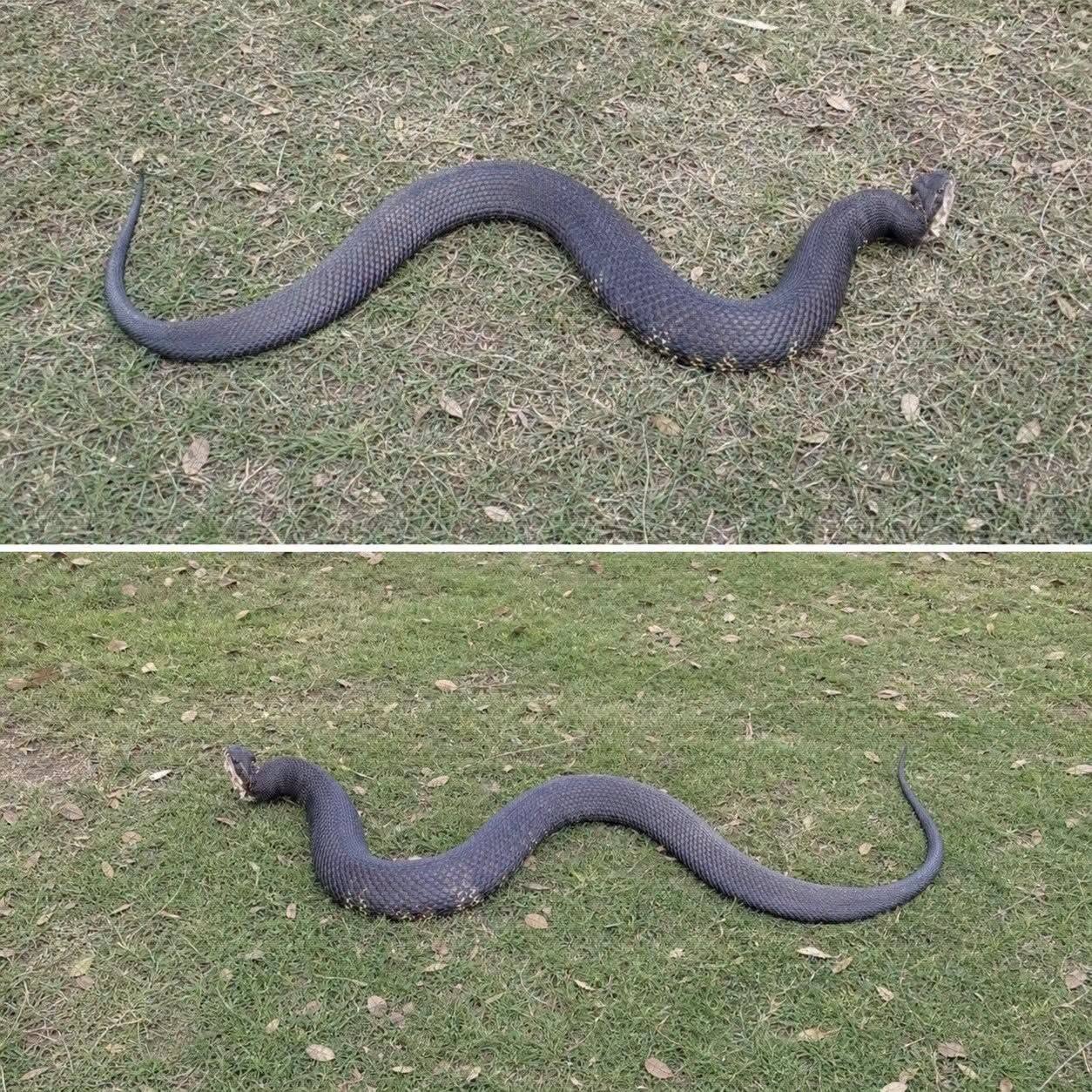
Turkey Hunting Took an Unexpected Turn
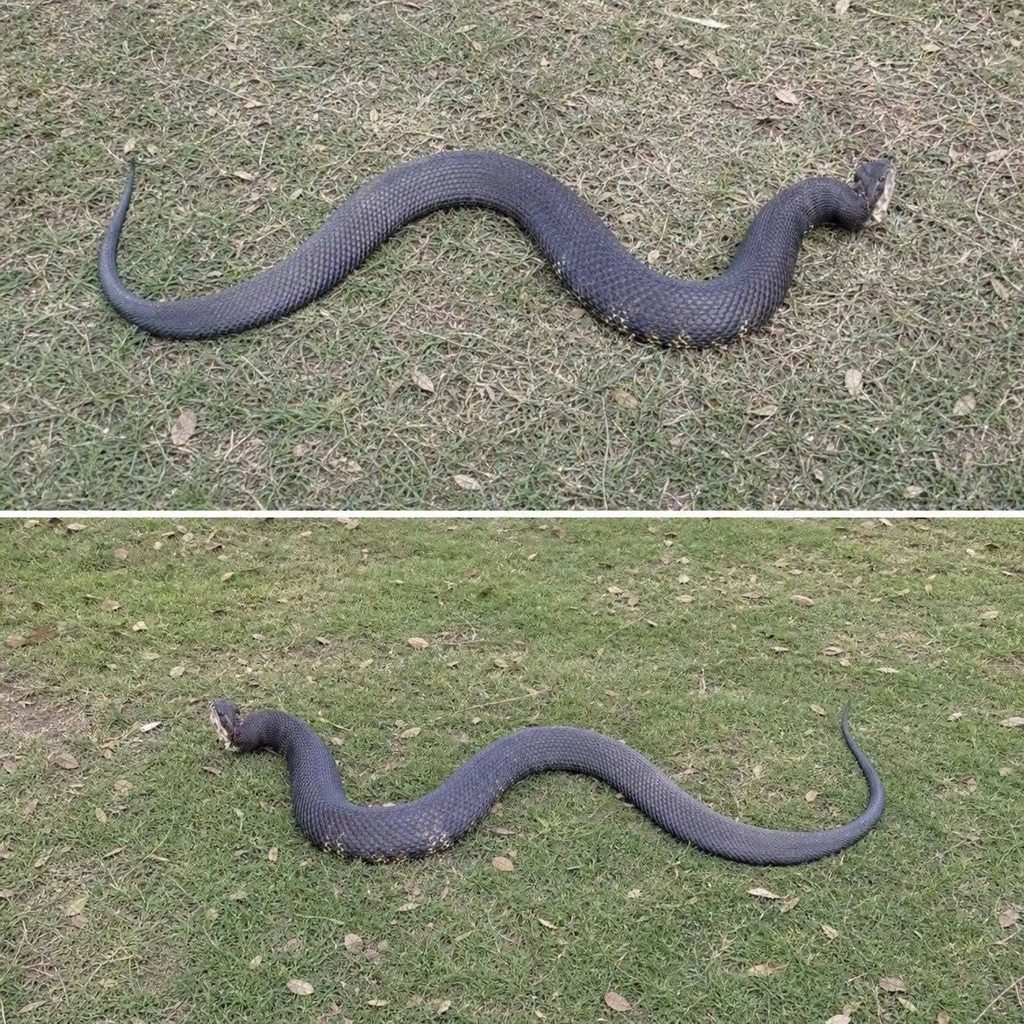
Turkey hunting can take you through tall grass, wooded areas, brush and other places where snakes may be hiding. One hunter recently shared a frightening encounter after discovering a large dark-colored snake and reporting that he had been bitten.
The big question after a snake bite is simple:
What should you do next?
The answer is more important than trying to figure out the snake yourself.
🚨 1. Get Away From the Snake
Move to a safe location immediately. Do not try to catch, kill or handle the snake, even if it appears dead. A photograph from a safe distance can sometimes help medical professionals identify the species.
🚑 2. Get Medical Help Immediately
If a snake may have injected venom, treatment can be time-sensitive. Call your local emergency number or have someone take you to an emergency department.
Do not wait until swelling, pain or other symptoms appear. Some venomous bites can initially seem less serious than they actually are.
If possible, don’t drive yourself, because dizziness, weakness or fainting can occur after a serious bite.
🧘 3. Stay Calm and Keep the Bite Area Still
Try to remain as calm and still as possible and limit movement of the affected limb. This can help slow the spread of venom if the snake was venomous.
Remove rings, watches or tight clothing near the bite before significant swelling begins.
🧼 4. Clean and Cover the Bite
If medical help isn’t immediately available, gently wash the bite with soap and water and cover it with a clean, dry dressing.
If swelling develops, marking the edge of the swelling and recording the time can provide useful information for medical professionals.
❌ What You Should NEVER Do
Several traditional snake-bite remedies can actually make the situation worse.
Don’t:
- ❌ Cut the bite with a knife
- ❌ Try to suck out the venom
- ❌ Apply a tourniquet
- ❌ Put ice directly on the bite
- ❌ Try to capture the snake
- ❌ Drink alcohol as a remedy
- ❌ Wait for symptoms before seeking medical attention
⚠️ Symptoms to Watch For
A serious venomous bite may cause increasing pain, swelling or bruising around the bite. Other possible symptoms include nausea, weakness, breathing difficulties, tingling or neurological changes.
However, the absence of symptoms does not prove that the bite is harmless. That’s why an unknown snake bite should be medically evaluated as soon as possible.
🐍 Can We Identify the Snake From the Photo?
The snake shown in the image is dark-colored and fairly heavy-bodied, but the photograph alone isn’t enough to safely identify the species. Trying to determine whether a snake is venomous from its appearance can be unreliable.
If this is a real bite, medical treatment should take priority over identifying the snake.
Final Takeaway
A snake bite while hunting isn’t something to “wait and see.” Get away from the snake, remain calm and still, remove constricting items, clean and cover the wound, and seek emergency medical attention promptly.
Your health is more important than identifying the snake. 🐍🚑
This article is for general information and does not replace emergency medical care.