Years after COVID-19 vaccines were introduced, questions continue about their safety, possible long-term effects, and whether certain health problems could be connected to vaccination. While research has identified some rare but serious vaccine-related complications, many claims circulating online confuse vaccine side effects with the lasting consequences of COVID-19 infection itself. Here’s what scientists have learned, what remains uncertain, and when symptoms deserve medical attention.
The COVID-19 pandemic changed the world.
Hospitals were overwhelmed, families were separated, and millions of people experienced serious illness.
When COVID-19 vaccines became available, they represented an important development in the global effort to reduce severe disease, hospitalization, and death.
Billions of vaccine doses were administered worldwide.
For many people, vaccination offered protection against the most dangerous outcomes of infection.
But as vaccination campaigns continued, so did questions about safety.
Some people reported chest discomfort, fatigue, headaches, dizziness, or other symptoms after receiving a vaccine.
Others wondered whether conditions diagnosed months or years later might have been caused by vaccination.
Social media amplified these concerns.
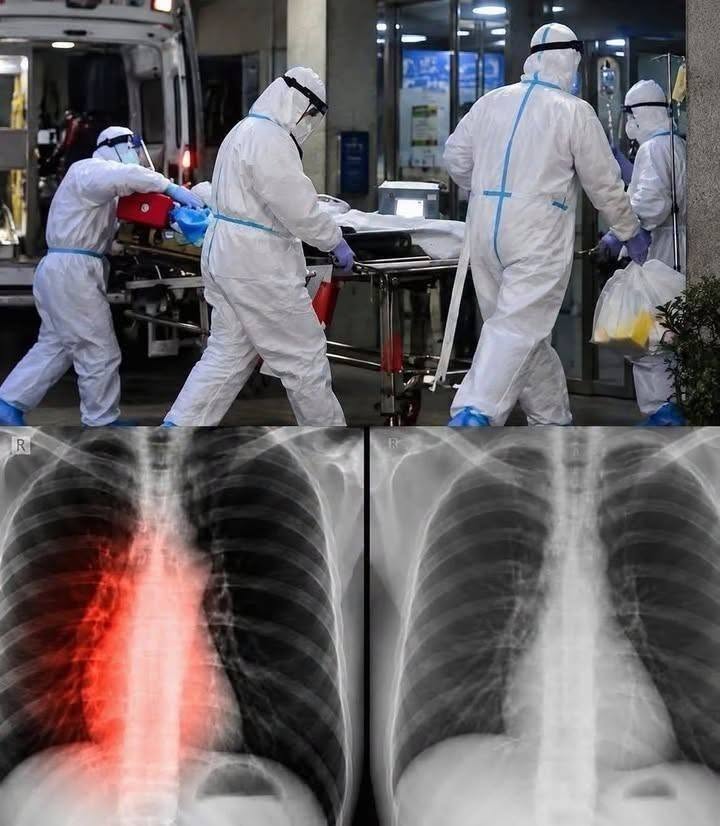
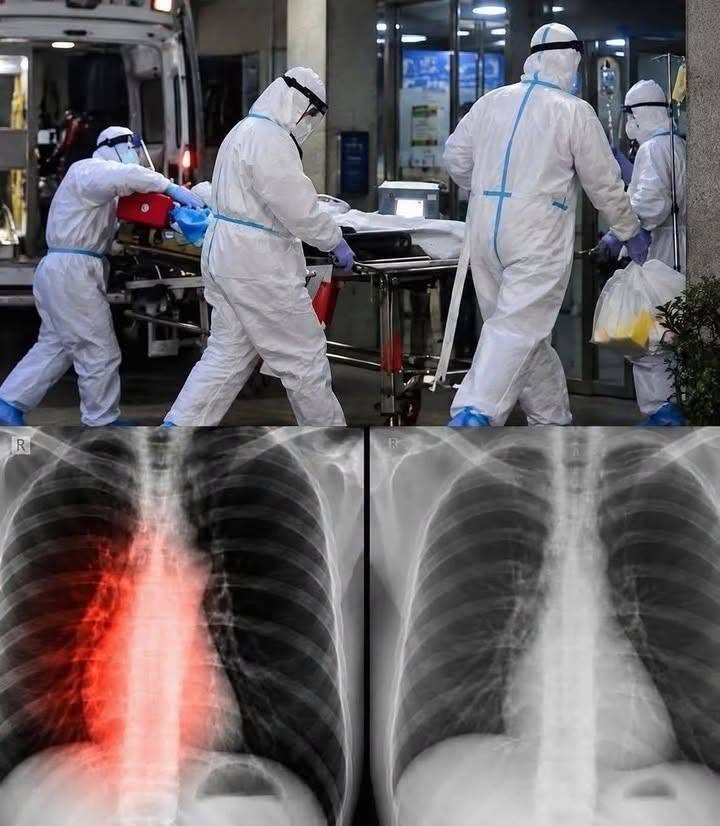
Recently, a viral Facebook post featuring healthcare workers in protective clothing and images of chest X-rays circulated with the headline:
“Questions Persist About Ongoing Health Issues Among Those Vaccinated Against COVID-19.”
The images create a dramatic impression.
But what do they actually prove?
And what does medical research tell us about the potential health effects of COVID-19 vaccines?
The answer requires separating three different issues: established vaccine side effects, rare serious adverse reactions, and health conditions that occur after vaccination but are not necessarily caused by it.
Understanding these differences is essential for making informed health decisions.
Why Are People Still Asking Questions About COVID-19 Vaccine Safety?
COVID-19 vaccination was one of the largest public health interventions in modern history.
Because so many people received vaccines within a relatively short period, health authorities were able to collect extensive safety information.
At the same time, the scale of vaccination meant that many people experienced unrelated medical events after being vaccinated.
For example, heart disease, autoimmune conditions, neurological disorders, and cancer can develop in vaccinated and unvaccinated individuals.
When a medical condition appears after vaccination, the timing may raise a reasonable question.
But timing alone does not establish causation.
Scientists must determine whether a particular condition occurs more frequently after vaccination than would normally be expected.
They also examine whether there is a biologically plausible mechanism, whether results are consistent across studies, and whether other explanations are more likely.
This process has identified genuine rare vaccine risks.
It has also helped distinguish those risks from unsupported claims.
1. What Are the Most Common COVID-19 Vaccine Side Effects?
Most recognized COVID-19 vaccine side effects are mild or moderate and resolve within a few days.
Common reactions include:
- Pain or tenderness at the injection site.
- Fatigue.
- Headache.
- Muscle aches.
- Joint discomfort.
- Chills.
- Temporary fever.
- Swollen lymph nodes.
These symptoms generally reflect activation of the immune system.
They do not necessarily indicate that something harmful is happening.
However, the absence of side effects does not mean that a vaccine failed to produce an immune response.
And experiencing side effects does not guarantee stronger protection.
People respond differently to vaccination.
Age, prior exposure to the virus, vaccine formulation, and individual immune characteristics can influence reactions.
2. Can COVID-19 Vaccines Cause Myocarditis?
Yes.
Myocarditis and pericarditis are recognized rare adverse reactions associated with certain COVID-19 vaccines, particularly mRNA vaccines.
Myocarditis is inflammation of the heart muscle.
Pericarditis is inflammation of the membrane surrounding the heart.
These conditions have received considerable scientific attention.
Who Has the Highest Observed Risk?
The risk has been highest in adolescent and young adult males, particularly after certain mRNA vaccine doses.
Risk varies by age, sex, vaccine product, dose number, and vaccination schedule.
The absolute risk remains low.
However, the increased risk in specific groups is real and has influenced vaccination recommendations in different countries.
What Are the Symptoms?
Possible symptoms include:
- Chest pain.
- Shortness of breath.
- Palpitations.
- An unusually rapid heartbeat.
- Fatigue or reduced exercise tolerance.
Symptoms associated with vaccine-related myocarditis have often appeared within the first week after vaccination.
However, similar symptoms can result from many other conditions.
Does Everyone Recover Completely?
Many patients improve clinically, often with supportive care and activity restrictions.
Nevertheless, some patients experience persistent symptoms or abnormalities on follow-up testing.
Researchers continue studying longer-term outcomes, including cardiac imaging findings.
It would be inaccurate to claim that every patient recovers immediately or that all cases cause permanent heart damage.
Both exaggerations overlook important differences between individual cases.
Can COVID-19 Infection Also Cause Myocarditis?
Yes.
SARS-CoV-2 infection can affect the cardiovascular system.
COVID-19 has been associated with myocarditis and other cardiac complications.
Comparing vaccine-related and infection-related risks requires careful attention to age, sex, vaccination status, circulating variants, and study design.
The relative risks are not identical for every population.
3. What Is Pericarditis?
Pericarditis occurs when the thin sac surrounding the heart becomes inflamed.
It may cause sharp chest pain that changes with breathing or body position.
Some patients experience shortness of breath or palpitations.
Pericarditis can develop after viral infections and through other mechanisms.
It has also been recognized as a rare adverse event following certain COVID-19 vaccinations.
Diagnosis may involve clinical examination, electrocardiography, blood tests, and cardiac imaging.
Treatment depends on the cause and severity.
Anyone experiencing new chest pain should seek medical assessment rather than assuming the cause is a vaccine reaction.
4. Can COVID-19 Vaccines Cause Blood Clots?
Certain COVID-19 vaccines have been associated with a rare but serious clotting disorder.
This condition is known as thrombosis with thrombocytopenia syndrome, or TTS.
A related term is vaccine-induced immune thrombotic thrombocytopenia, or VITT.
The condition was linked primarily to some adenovirus-vector vaccines, including the AstraZeneca and Johnson & Johnson/Janssen vaccines.
It involves unusual blood clotting accompanied by low platelet counts.
Why Was This Important?
The disorder can affect unusual locations, including veins in the brain or abdomen.
Although rare, it can be life-threatening.
Recognition of this risk led to changes in vaccine recommendations and, in some places, withdrawal or discontinuation of certain products.
This is an important example of vaccine safety monitoring identifying a genuine problem and prompting public health action.
What Are Possible Warning Signs?
Symptoms that warrant urgent medical attention may include:
- Severe or persistent headache.
- Blurred vision.
- Severe abdominal pain.
- Unusual swelling of a limb.
- Shortness of breath.
- Unexplained bruising or bleeding.
The timing and relevance of these symptoms depend on the vaccine and clinical circumstances.
Not every blood clot occurring after vaccination is caused by the vaccine.
5. What About Guillain-Barré Syndrome?
Guillain-Barré syndrome, or GBS, is a rare neurological disorder in which the immune system attacks peripheral nerves.
Symptoms may include progressive weakness, tingling, and reduced reflexes.
In severe cases, breathing muscles can be affected.
An increased risk of GBS was identified following certain adenovirus-vector COVID-19 vaccines, particularly the Johnson & Johnson/Janssen vaccine.
This risk has not been demonstrated to the same extent across all COVID-19 vaccine platforms.
GBS can also occur after infections, including respiratory and gastrointestinal illnesses.
The condition requires prompt medical evaluation.
6. Can COVID-19 Vaccines Cause Long-Term Health Problems?
This is one of the most frequently asked questions.
The answer depends on what is meant by long-term health problems.
Most vaccine adverse reactions begin relatively soon after vaccination.
However, a rare adverse event that begins shortly after vaccination may have effects that require months of recovery or follow-up.
For example, a person who develops myocarditis may need continued monitoring.
This is different from claiming that vaccines routinely cause entirely new diseases years after administration.
Current evidence does not support the claim that COVID-19 vaccines commonly cause a broad syndrome of progressive illness beginning years later.
Researchers continue to investigate reported persistent symptoms and possible rare adverse outcomes.
But the existence of ongoing research does not mean that every proposed connection has been established.
7. What Is Post-Vaccination Syndrome?
Some patients have described persistent symptoms beginning after COVID-19 vaccination.
Reported symptoms may include fatigue, dizziness, cognitive difficulties, exercise intolerance, or abnormal sensations.
Researchers have explored whether some individuals might experience a distinct post-vaccination condition.
However, there is no universally accepted diagnostic definition or established mechanism that explains all such reports.
The evidence remains limited and evolving.
This subject requires careful investigation without dismissing patients’ symptoms or automatically attributing them to vaccination.
A person can have genuine, disabling symptoms even when the cause has not yet been identified.
Clinicians should evaluate those symptoms based on the patient’s history, examination, and appropriate testing.
8. Long COVID and Vaccine Side Effects Are Not the Same Thing
One of the biggest sources of confusion is the overlap between symptoms reported after vaccination and symptoms associated with long COVID.
Long COVID refers to a range of symptoms and conditions that persist or develop after SARS-CoV-2 infection.
These can include:
- Persistent fatigue.
- Difficulty concentrating.
- Shortness of breath.
- Dizziness.
- Sleep disturbances.
- Palpitations.
- Exercise intolerance.
- Changes in smell or taste.
- Muscle or joint pain.
Some people develop long COVID after infections that initially seemed mild.
A person may also have experienced an infection without realizing it.
This makes it difficult to determine the cause of symptoms based on timing alone.
Does Vaccination Prevent Long COVID?
Research suggests that vaccination can reduce the risk of developing long COVID, although it does not eliminate that risk.
The degree of protection varies across studies and populations.
Vaccinated people can still develop long COVID after breakthrough infections.
Vaccination is not a guaranteed prevention method or treatment for persistent post-infection symptoms.
9. Can Vaccination Cause Chronic Fatigue?
Fatigue is a common short-term vaccine side effect.
It usually resolves within days.
Persistent fatigue lasting weeks or months requires a broader medical evaluation.
Possible causes include:
- Anemia.
- Thyroid disorders.
- Sleep problems.
- Depression.
- Chronic infections.
- Autoimmune conditions.
- Long COVID.
- Cardiovascular disease.
- Medication effects.
Some individuals report prolonged fatigue after vaccination, but determining whether vaccination caused it requires more than a temporal association.
Medical assessment is important because some causes are treatable.
10. Can COVID-19 Vaccines Affect the Nervous System?
Vaccines stimulate the immune system, and rare neurological adverse events have been investigated.
The strength of evidence varies considerably by condition and vaccine type.
For example, an increased risk of Guillain-Barré syndrome has been identified with certain adenovirus-vector vaccines.
Other proposed neurological complications require careful evaluation.
Symptoms such as numbness, weakness, headaches, or dizziness can arise from many different causes.
A neurological symptom appearing after vaccination is not automatically evidence of vaccine-induced injury.
Persistent or progressive neurological symptoms should be assessed by a healthcare professional.
Sudden weakness, facial drooping, difficulty speaking, or other possible stroke symptoms require emergency medical attention.
11. Do COVID-19 Vaccines Damage the Lungs?
The viral post includes chest X-ray images, one with a highlighted area.
However, an X-ray image by itself does not demonstrate that a vaccine caused lung damage.
The cause of a lung abnormality cannot be determined from a social media illustration without medical context.
COVID-19 infection can cause pneumonia and other respiratory complications.
Some patients experience persistent breathing difficulties after infection.
Vaccine-related lung complications have been reported in individual cases, but rare case reports do not establish that vaccination commonly damages the lungs.
The most important distinction is between a documented diagnosis and an unsupported interpretation of an image.
What Does a Chest X-Ray Actually Show?
A chest X-ray can help clinicians evaluate:
- Lung infections.
- Certain fluid accumulations.
- Some structural abnormalities.
- Changes in heart size.
- Other chest conditions.
However, it cannot independently identify the cause of every abnormality.
Additional testing may be required.
A highlighted region on an image does not establish whether a problem was caused by infection, vaccination, or another condition.
12. Can COVID-19 Vaccines Affect Fertility?
Claims that COVID-19 vaccines cause infertility have circulated widely.
However, available evidence has not demonstrated that authorized COVID-19 vaccines cause infertility in women or men.
Research has examined reproductive outcomes, including fertility treatment results and pregnancy outcomes.
The overall evidence has been reassuring.
COVID-19 infection itself may temporarily affect certain reproductive parameters, particularly during or after febrile illness.
People experiencing fertility difficulties should seek appropriate medical evaluation rather than assuming vaccination is responsible.
13. Do COVID-19 Vaccines Change Your DNA?
No.
mRNA COVID-19 vaccines do not alter a person’s DNA.
The mRNA provides temporary instructions that allow cells to produce a viral protein component, stimulating an immune response.
It does not need to enter the cell nucleus to perform this function.
The mRNA is subsequently broken down.
Adenovirus-vector vaccines use a different delivery system, but they are not designed to integrate their genetic material into human DNA.
Claims that routine COVID-19 vaccination rewrites the human genome are not supported by established evidence.
14. Can COVID-19 Vaccines Cause Cancer?
There is no convincing evidence that COVID-19 vaccines cause cancer or accelerate cancer growth.
Claims about so-called turbo cancers have spread online, but the term is not a recognized medical diagnosis with an established vaccine-related mechanism.
Cancer can develop in vaccinated and unvaccinated people.
Because billions of individuals received COVID-19 vaccines, some cancer diagnoses inevitably occurred afterward.
That does not demonstrate causation.
Cancer risks are evaluated using large population studies, biological evidence, and clinical data.
People with symptoms suggestive of cancer should receive appropriate medical evaluation regardless of vaccination history.
15. Can COVID-19 Vaccines Affect Menstrual Cycles?
Some studies have identified small, temporary changes in menstrual cycle timing following COVID-19 vaccination.
For example, certain individuals experienced a modest increase in cycle length.
These changes generally resolved over subsequent cycles.
Menstrual patterns can also be influenced by stress, illness, medications, hormonal changes, and other factors.
The evidence does not support the claim that COVID-19 vaccines routinely cause permanent menstrual disruption or infertility.
Persistent heavy bleeding, severe pain, or unusual menstrual changes should be discussed with a healthcare professional.
16. What About Autoimmune Diseases?
Autoimmune diseases occur when the immune system mistakenly targets the body’s own tissues.
Researchers have examined reports of autoimmune conditions following vaccination.
However, a diagnosis occurring after vaccination does not necessarily mean vaccination caused it.
For many proposed associations, evidence of causation remains insufficient.
Certain rare immune-mediated adverse reactions have been identified for particular vaccines.
But broad claims that COVID-19 vaccines routinely cause autoimmune disease are not supported by current evidence.
People with established autoimmune conditions may have specific vaccination considerations.
These should be discussed with their treating clinicians.
17. Are COVID-19 Vaccines Still Being Monitored?
Yes.
Vaccine safety monitoring continues after products are authorized.
This process is known as post-marketing surveillance.
It involves collecting and evaluating information from healthcare systems, clinical studies, registries, and adverse-event reporting programs.
In the United States, important monitoring systems have included VAERS and the Vaccine Safety Datalink.
Other countries operate their own pharmacovigilance systems.
Why Are Adverse-Event Reports Important?
Reports can help identify possible safety signals.
If an unexpected medical event appears more frequently than anticipated, researchers can investigate further.
However, a report does not automatically establish that vaccination caused the event.
A reported condition may be coincidental, related to another illness, or genuinely vaccine-associated.
Additional analysis is needed to distinguish these possibilities.
18. Why Do Some People Believe Vaccines Caused Their Symptoms?
There are several reasons.
First, symptoms may begin soon after vaccination.
That timing naturally raises questions.
Second, some vaccine adverse reactions are real and medically recognized.
Third, many chronic conditions have uncertain causes.
Fourth, social media can connect people with similar experiences, making a proposed explanation seem more convincing.
Finally, the COVID-19 pandemic created significant uncertainty and mistrust in some communities.
These factors do not mean that every reported experience is false.
They mean that determining causation requires careful evidence.
Patients deserve respectful evaluation, and medical claims deserve rigorous investigation.
Both principles can be true at the same time.
19. What Do Large Studies Tell Us About Vaccine Safety?
Large observational studies and safety surveillance systems have provided extensive information about COVID-19 vaccines.
Overall, the evidence supports their effectiveness in reducing severe COVID-19 outcomes, particularly in higher-risk populations.
The research has also identified rare adverse events associated with specific vaccine products.
These findings have informed changes to vaccination schedules and recommendations.
However, vaccine benefit-risk assessments are not identical for everyone.
Age, health status, prior infection, vaccine product, and current disease risk can influence the balance.
Recommendations have evolved as population immunity, circulating variants, and vaccine formulations have changed.
For current decisions, people should consult updated guidance from their country’s public health authorities and healthcare professionals.
20. Why Risk Comparisons Matter
Every medical intervention has potential benefits and risks.
The appropriate question is not simply whether a vaccine can cause side effects.
It is whether the expected benefits outweigh the risks for a particular person under current conditions.
For example, an older adult with significant medical vulnerabilities may face a substantially higher risk of severe COVID-19 than a healthy young adult.
Likewise, certain vaccine adverse events have been more common in particular age and sex groups.
A meaningful risk assessment must account for these differences.
Broad statements such as “vaccines are completely risk-free” or “vaccines are dangerous for everyone” are both misleading.
Medical decisions are best guided by reliable evidence and individual circumstances.
21. How Long Do Vaccine Side Effects Usually Last?
Most common side effects begin within a day or two of vaccination and resolve within several days.
Rare serious adverse reactions may require longer treatment and recovery.
For example, myocarditis can involve weeks or months of follow-up.
A persistent symptom should not automatically be considered a normal vaccine reaction.
If symptoms are severe, unusual, or ongoing, medical assessment is appropriate.
The goal is to identify the actual cause rather than assume a diagnosis based solely on vaccination history.
22. What Should You Do if You Have Symptoms After Vaccination?
If you develop symptoms after vaccination, the appropriate response depends on their nature and severity.
Mild fatigue or injection-site soreness may resolve with rest and routine care.
However, certain symptoms require prompt evaluation.
Seek urgent medical attention for:
- Chest pain.
- Significant shortness of breath.
- Fainting.
- New severe palpitations.
- Sudden neurological symptoms.
- Severe or persistent headaches with concerning features.
- Unusual bleeding or bruising.
- Rapidly progressive weakness.
A clinician may recommend blood tests, an electrocardiogram, imaging, or other investigations depending on the symptoms.
Do not delay medical care because you believe the symptoms are simply vaccine-related.
23. How Can Doctors Determine Whether a Vaccine Caused a Medical Problem?
Doctors and researchers consider several factors.
Timing
Did the symptoms begin within a biologically plausible period after vaccination?
Clinical Findings
Is there objective evidence of a specific condition?
Alternative Explanations
Could an infection, medication, underlying disease, or another factor explain the symptoms?
Known Safety Signals
Has the condition previously been associated with that vaccine?
Population Data
Does the event occur more frequently among vaccinated people than expected?
Biological Plausibility
Is there a credible mechanism linking the vaccine to the condition?
No single factor is always decisive.
The process often requires combining clinical information with epidemiological evidence.
24. Can Vaccinated People Still Develop Serious COVID-19?
Yes.
Vaccination does not provide complete protection against infection or severe illness.
Protection can also change over time.
Age, immune status, underlying conditions, and viral variants affect individual risk.
However, vaccination has reduced the risk of severe outcomes in many populations.
This distinction matters because a vaccinated person who later develops respiratory or cardiovascular problems may have experienced a COVID-19 infection.
Those complications should not automatically be attributed to the vaccine.
25. What About People Who Were Vaccinated Years Ago?
For people who received COVID-19 vaccines years ago and have no symptoms, there is no established evidence that they need special screening solely because of their vaccination history.
Routine preventive healthcare remains important.
This includes appropriate monitoring of blood pressure, cholesterol, diabetes risk, and other health factors.
People with persistent symptoms should seek medical evaluation based on those symptoms.
There is no validated universal blood test that can determine whether a person has hidden vaccine damage years after vaccination.
Commercial tests marketed for this purpose should be approached cautiously.
26. Do People Need to Detox After COVID-19 Vaccination?
No scientifically validated vaccine detox protocol has been shown to remove vaccine components or prevent alleged long-term effects.
Online programs sometimes promote supplements, fasting, special diets, or other products as ways to eliminate vaccine-related toxins.
These claims generally lack reliable clinical evidence.
Some detox products may cause harm or interact with medications.
The body naturally processes and eliminates substances through normal biological mechanisms.
People experiencing symptoms should seek appropriate diagnosis and treatment rather than relying on unproven detox products.
27. How Can You Recognize Misleading Vaccine Claims?
Vaccine misinformation often uses emotionally powerful images and dramatic headlines.
Common warning signs include:
- Claims that every unexplained illness is vaccine-related.
- Statements that vaccines cause diseases without supporting studies.
- Misleading use of medical images.
- Confusion between adverse-event reports and confirmed causation.
- Claims that all vaccinated people will develop future complications.
- Promotion of expensive detox products.
- Assertions that one study proves a sweeping conclusion.
Reliable information should explain what was studied, how the research was conducted, and what limitations remain.
Scientific uncertainty should be acknowledged rather than hidden.
What the Viral Chest X-Ray Image Does—and Does Not—Show
The Facebook post combines an image of healthcare workers with chest X-ray illustrations.
One X-ray includes a red-highlighted area.
This presentation may suggest that vaccinated individuals are experiencing widespread lung or chest damage.
However, the screenshot provides no patient history, radiology report, clinical diagnosis, or evidence linking the images to vaccination.
The red highlight is not proof of vaccine-related injury.
It may simply be an illustrative graphic.
Without clinical context, viewers cannot determine what the image represents.
This is a common problem with viral medical content.
A striking image can create a strong emotional impression without establishing a medical fact.
Frequently Asked Questions
Can COVID-19 Vaccines Cause Long-Term Side Effects?
Rare adverse reactions can have prolonged consequences. However, current evidence does not support claims that vaccines commonly cause new progressive diseases years later.
Is Myocarditis a Real COVID-19 Vaccine Side Effect?
Yes. Myocarditis is a recognized rare adverse event associated with certain mRNA COVID-19 vaccines.
Can COVID-19 Vaccines Cause Blood Clots?
Certain adenovirus-vector vaccines were associated with a rare clotting disorder known as TTS or VITT.
Do COVID-19 Vaccines Cause Lung Damage?
There is no established evidence that COVID-19 vaccines commonly cause lung damage. Individual symptoms require medical assessment.
Can COVID-19 Vaccines Cause Chronic Fatigue?
Some people report persistent fatigue after vaccination, but establishing causation requires careful evaluation. Many medical conditions can cause fatigue.
Can COVID-19 Vaccines Cause Infertility?
Available evidence does not support the claim that authorized COVID-19 vaccines cause infertility.
Can COVID-19 Vaccines Cause Cancer?
There is no convincing evidence that COVID-19 vaccines cause cancer or accelerate cancer growth.
Can COVID-19 Vaccines Change DNA?
No. mRNA vaccines do not alter human DNA.
Can Vaccinated People Develop Long COVID?
Yes. Vaccination reduces some risks but does not eliminate the possibility of long COVID after infection.
Are COVID-19 Vaccines Completely Risk-Free?
No medical intervention is completely risk-free. Rare serious adverse events have been identified.
Should People With Chest Pain After Vaccination See a Doctor?
Yes. New or unexplained chest pain warrants prompt medical evaluation.
Can Vaccine Side Effects Begin Years Later?
Most recognized vaccine adverse reactions begin relatively soon after administration. Evidence does not support a common pattern of entirely new vaccine-caused illnesses first emerging years later.
Do COVID-19 Vaccines Require Detoxification?
No. There is no validated medical need for vaccine detoxification.
How Can I Report a Suspected Vaccine Side Effect?
Contact a healthcare professional or the appropriate vaccine safety reporting system in your country.
Should Everyone Receive Additional COVID-19 Vaccine Doses?
Recommendations depend on current public health guidance and individual factors such as age, health status, and risk of severe disease.
Final Thoughts: What Should People Believe About COVID-19 Vaccine Safety?
Questions about COVID-19 vaccine safety are legitimate and deserve evidence-based answers.
The scientific record shows that COVID-19 vaccines have provided important protection against severe illness.
It also shows that rare but serious adverse events can occur.
Myocarditis, pericarditis, certain clotting disorders, and Guillain-Barré syndrome are among the conditions that have been associated with particular vaccine products.
These risks should be acknowledged clearly.
At the same time, the available evidence does not support sweeping claims that vaccination routinely causes chronic illness, cancer, infertility, or progressive organ damage years later.
Many symptoms attributed to vaccination can also arise from COVID-19 infection, long COVID, or unrelated medical conditions.
The distinction between correlation and causation is essential.
And social media images, no matter how dramatic, cannot replace clinical evidence.
The most important message is this: take persistent symptoms seriously, seek appropriate medical evaluation, and rely on credible research rather than fear-based headlines.
Science continues to investigate vaccine safety, and recommendations may evolve as new evidence becomes available.
But informed decisions require understanding both the known benefits and the documented risks—not assuming that every claim circulating online is true.
What questions do you still have about COVID-19 vaccines and long-term health? Share your thoughts respectfully in the comments.